About Metropol Parasol
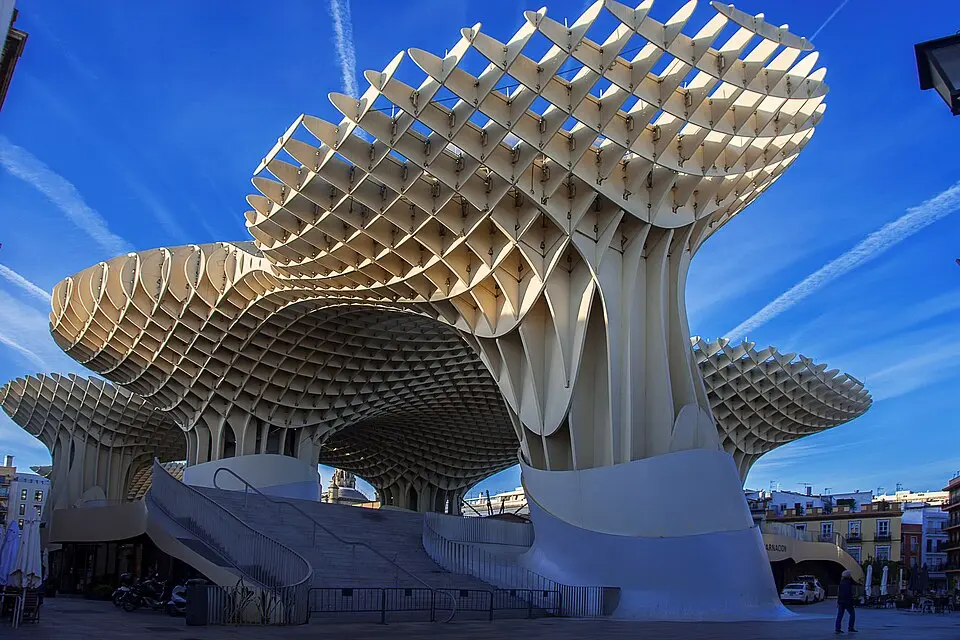
The Metropol Parasol, known locally in Seville as Las Setas ("the Mushrooms"), is a striking hybrid structure of wood, concrete, and steel in the Old Town. Designed by German architect Jürgen Mayer H., the organic construction replaces a former market hall on the Plaza de la Encarnación. At 150 meters long and 26 meters high, it is considered one of the largest wooden structures in the world. The six mushroom-shaped, parasol-like structures, some of which join to form a shared roof, were inspired by the columns of the cathedral and the nearby fig trees. Beneath the roof, you'll find shops, a market, restaurants, and the Antiquarium, which displays Roman and Moorish finds. On the elevated roof plateau, walkways offer unobstructed views across the city, while the lower levels provide space for public events. Made up of thousands of individual components, the structure was completed in April 2011 after technical adjustments and delays, and it has left a lasting mark on the city's skyline.
At a glance
- Category
- Sight › Monuments
- Rating
- no reviews yet · write a review
- Address
- Pl. de la Encarnación
41003 Seville, Spain - District
- Encarnación-Regina
- Phone
- 954 56 15 12
- Website
- setasdesevilla.com
- —
- Coordinates
- 37.39280° N · -5.99193° E
- Data quality
- confidence 0.77
- Identifier
- ID b7851963-396…
Location & surroundings
Toggle layersFAQ about Metropol Parasol
quick answersWhat is the Metropol Parasol in Seville?
The Metropol Parasol is a striking hybrid structure of wood, concrete, and steel on the Plaza de la Encarnación in Seville's Old Town, which locals also call Las Setas ("the Mushrooms"). At 150 meters long and 26 meters high, it is considered one of the largest wooden structures in the world. It consists of thousands of different components and was completed in April 2011 after technical adjustments and delays.
Who designed the Metropol Parasol, and what inspired its shape?
The Metropol Parasol in Seville was designed by German architect Jürgen Mayer H. Its six mushroom-shaped, parasol-like structures, some of which join together into a shared roof, were inspired by the vaults of Seville Cathedral and the nearby fig trees. The organic construction replaces a former market hall on the Plaza de la Encarnación.
What can you see at the Metropol Parasol?
At the Metropol Parasol in Seville, you can visit the Antiquarium with its Roman and Moorish finds and walk along the raised walkways on the rooftop plateau, which offer open views over the city. Beneath the roof you'll also find shops, a market, and places to eat and drink. The lower levels of the structure provide space for public events.
What can you see around the Metropol Parasol?
Around the Metropol Parasol in Seville's Encarnación-Regina neighborhood, you'll find several churches, palaces, and museums. The Iglesia de la Anunciación stands just about 50 meters away, and about 90 meters away travelguide195 lists the Museo Templo de la Anunciación. Also nearby are the Palacio del Marqués de la Motilla, about 140 meters away, and the Casa de la Memoria de Al-Andalus.
Are there restaurants and tours near the Metropol Parasol?
Yes, travelguide195 lists around 252 restaurants within 500 meters of the Metropol Parasol in Seville. The Metropol Parasol is also part of the tour "Seville in One Day: Alcázar, Cathedral, and Plaza de España."
Ratings & comments
none yetNear Metropol Parasol
closest 5 per category · 2 kmSights
Restaurants
Museums
Hotels
More:Monuments in Seville (55)All sights in Seville (269)
287 places within 2 km loaded.
Don't miss in Seville
All sights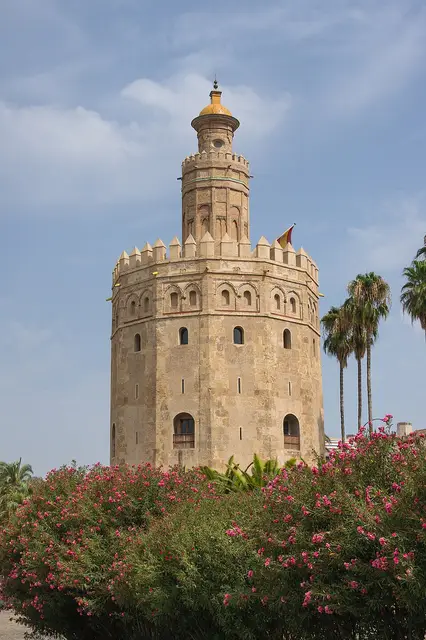 Historic sites01
Torre del Oro
The Golden Tower, P.º de Cristóbal Colón, s/n · Seville● Website● Phone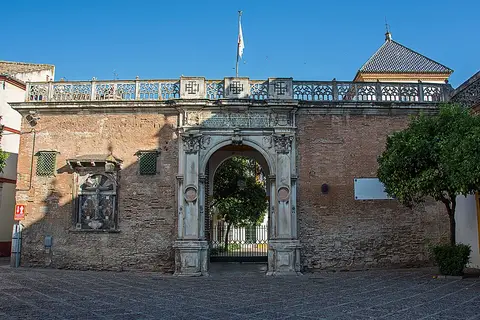 Palaces02
Casa de Pilatos
Pl. de Pilatos, 1 · Seville● Website● Phone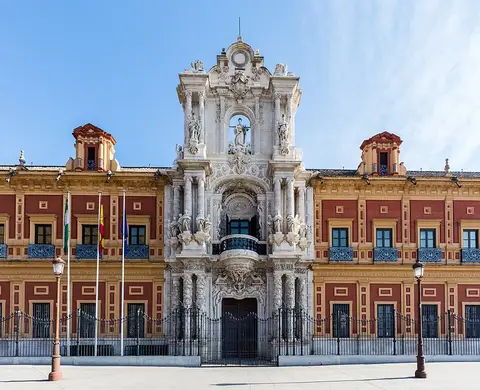 Palaces03
Palacio de San Telmo
P.º de Roma · Seville● Website● Phone Historic sites04
You need a free account to leave reviews and photos – that keeps comments genuine and lets you edit them later.
An enormous wooden structure, designed by German architect Jürgen Mayer-Hermann, inspired by the Cathedral of Seville and in the form of giant mushrooms. Known to locals as 'las setas' (the mushrooms), the structure covers the Central Market and the Antiquarium; the top level contains a restaurant and provides some of the best views of Seville.
Source: Wikivoyage, „Seville“ · authors per page history · CC BY-SA 4.0