Discover Marbella: Old Town, the Golden Mile and Puerto Banús
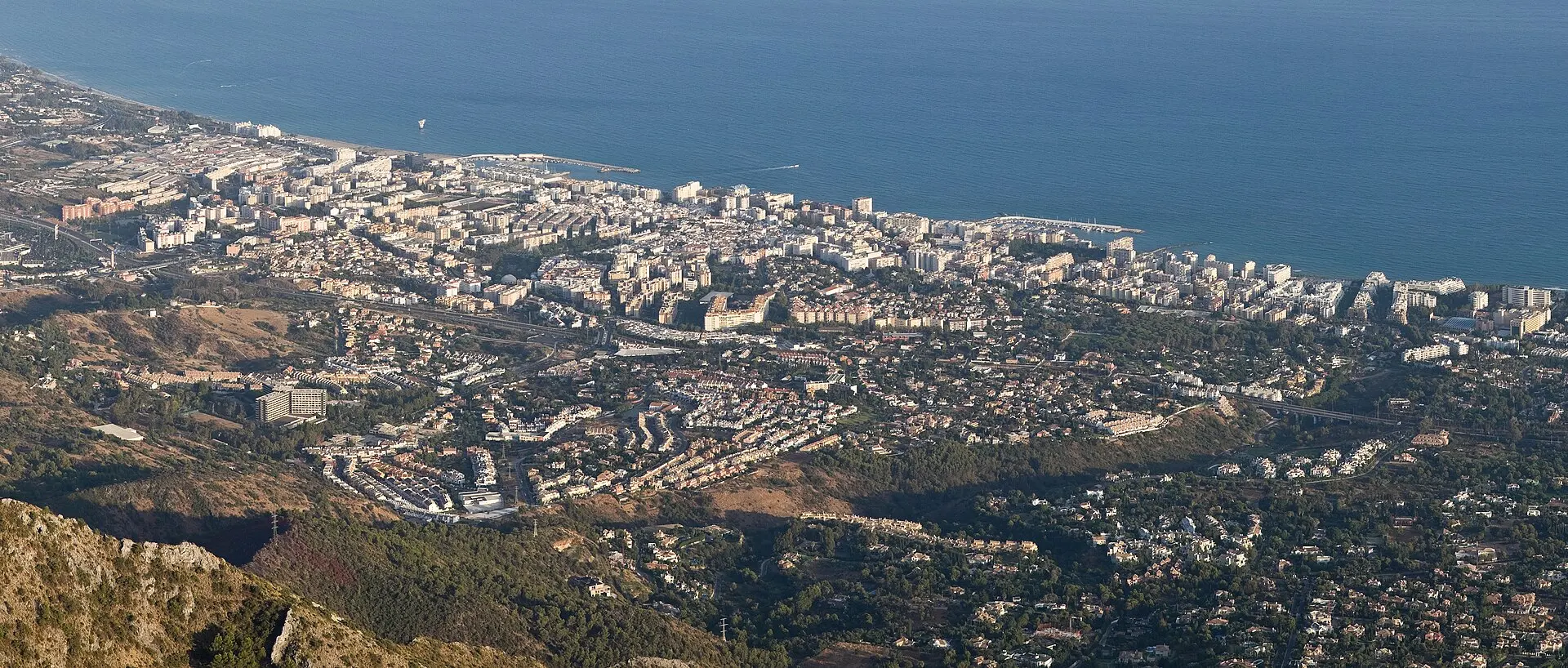
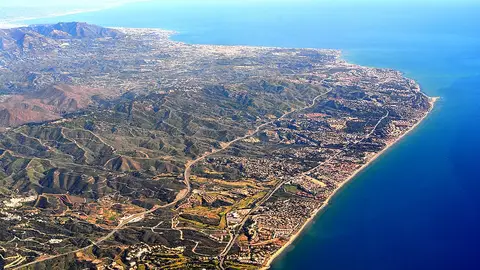
Travel guide · editorialMarbella is synonymous with yachts, beach clubs and celebrity guests – yet behind the glamorous facade lies a whitewashed old town dotted with orange trees. A vacation in Marbella combines the beaches of the Costa del Sol with Andalusian lifestyle, with the Sierra Blanca mountain range rising in the background. If you plan your trip well, you'll experience both sides.
From Fishing Village to Jet-Set Destination
For centuries, Marbella was a small country town with a Moorish castle, sugar mills and iron mines. The change came in the 1950s with Prince Alfonso of Hohenlohe, who founded the Marbella Club here and attracted actors, aristocrats and industrialists. From the 1970s on, villas, golf courses and the Puerto Banús marina followed. The era of Mayor Jesús Gil in the 1990s, however, also brought corruption scandals that took years to untangle. Today the city presents itself as more refined and geared toward quality tourism.
Sights in Marbella
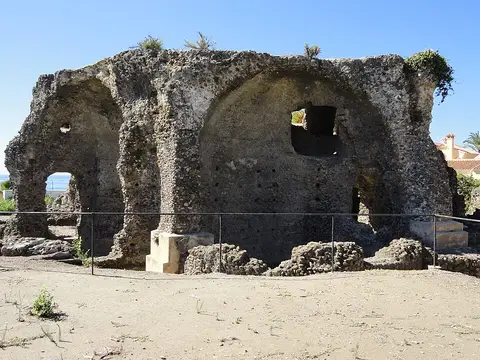
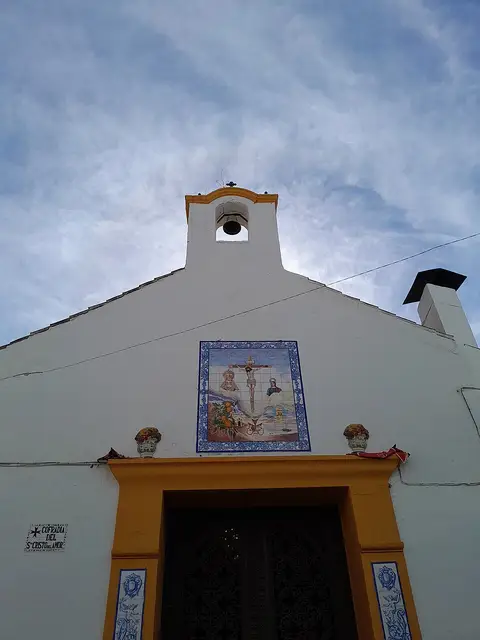
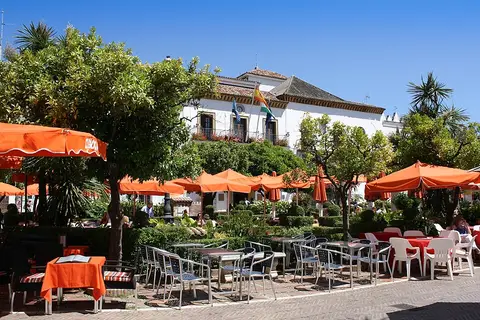
The heart of the old town is the Plaza de los Naranjos, laid out in the 15th century after the Christian conquest, with the town hall, the Ermita de Santiago and cafés beneath orange trees. From there, narrow lanes lead to the Church of Santa María de la Encarnación and to remains of the Moorish city wall. The Avenida del Mar connects the old town with the sea and is lined with bronze sculptures by Salvador Dalí. The beach promenade stretches for miles along the coast, ideal for walks and bike rides. West of the city begins the Milla de Oro, the Golden Mile with luxury hotels and villas, at the end of which lies Puerto Banús: supercars, boutiques and megayachts form the backdrop for a crowd that wants to see and be seen. Less well known are the Roman Villa Río Verde with well-preserved mosaics and the historic quarter of San Pedro Alcántara.
Food, Beaches and Nightlife
Away from the pricey harbor restaurants, it's worth heading to the chiringuitos, the beachfront eateries that serve espetos – sardines grilled over a wood fire. Fried fish, gazpacho and ajoblanco are part of the classic cuisine of the Costa del Sol. In the old town, small tapas bars offer a down-to-earth alternative. In the evening, life shifts to Puerto Banús and the beach clubs along the Golden Mile, where DJs spin until late. The beaches, such as Playa de la Venus in the center or the dunes of Cabopino to the east, are clean and well developed.
Nature Between Mountains and Sea
Marbella is sheltered beneath the Sierra Blanca, which is why the climate here is especially mild. Hiking trails lead from the edge of town up to the Cruz de Juanar viewpoint, where with a bit of luck ibex appear and the view reaches as far as Gibraltar and Africa. Golfers get their money's worth too: in the so-called Golf Valley near Nueva Andalucía, numerous courses lie close together. And along the coast, you can bike for miles on the promenade, past dunes, small pine groves and little fishing beaches.
Getting Around and Best Time to Visit
Marbella has no train station of its own; the nearest airport is Málaga (AGP), from which long-distance buses and taxis take about 45 minutes. Buses run within the city, and a rental car is handy for excursions. The best time to visit is spring and early fall – in July and August it gets crowded and expensive. Worthwhile excursions lead to Ronda above the Tajo Gorge, to the mountain village of Ojén, or to hiking trails around the summit of La Concha.