Discover Barcelona: Gaudí, Winding Alleys, and the Mediterranean
Travel guide · editorialBarcelona is lucky enough to combine beach, old town, and world-class architecture in a compact area – plus a population that lives its Catalan identity with confidence. A city trip to Barcelona takes you from the Gothic alleys by the harbor past the Art Nouveau facades of the Eixample and up to Montjuïc. If you plan your Barcelona vacation wisely, you'll see not only the Sagrada Família but also the city behind it.
Two Millennia Between the Romans and the Olympics
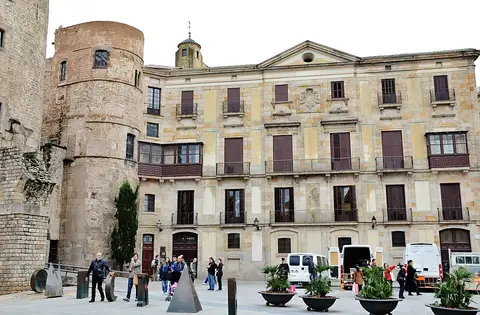
In the 1st century BC, the Romans founded the settlement of Barcino here; parts of its city wall and columns of the Temple of Augustus still stand in the Barri Gòtic. In the Middle Ages, Barcelona rose as the capital of the Crown of Aragon to become one of the great trading powers of the Mediterranean. In 1714, Bourbon troops conquered the city – September 11 is still Catalonia's national day. Industrialization brought wealth back, and from 1860 on, the middle class had magnificent houses built in the new urban expansion district of the Eixample. The second great leap came with the 1992 Olympic Games: that was when Barcelona finally opened up to the sea, and abandoned industrial sites became beaches and promenades.
Sights in Barcelona: Gaudí and More
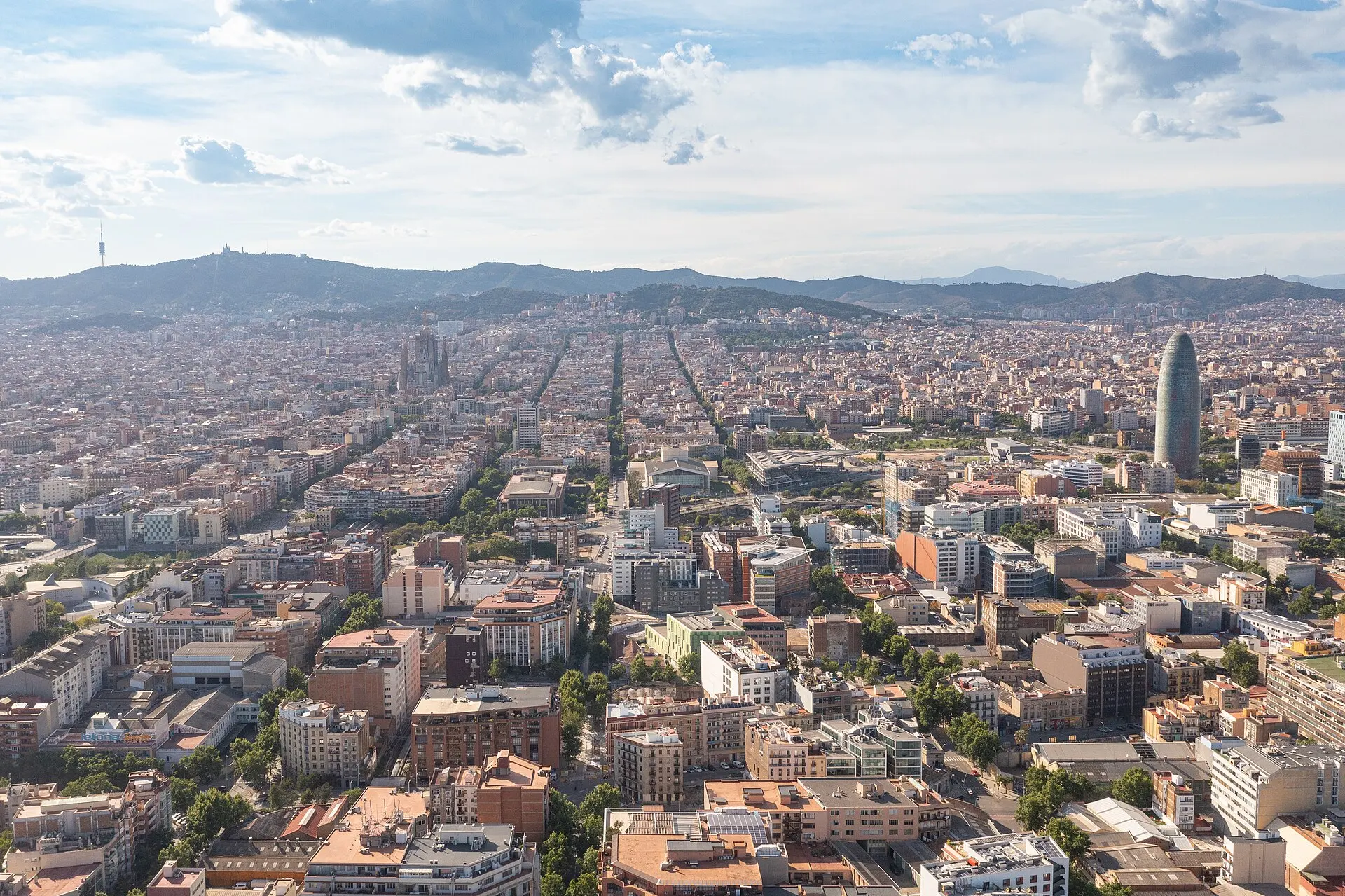
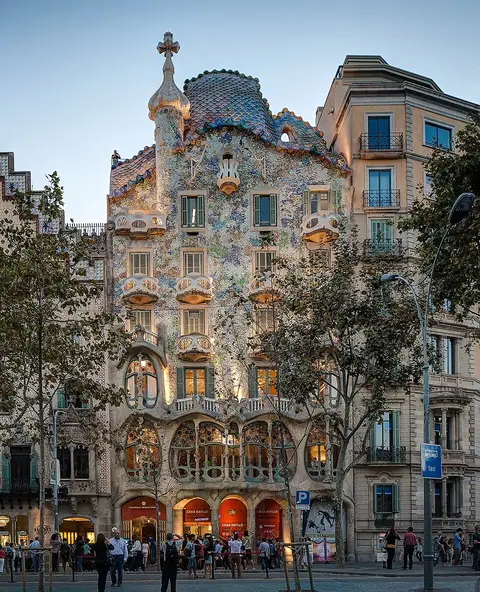
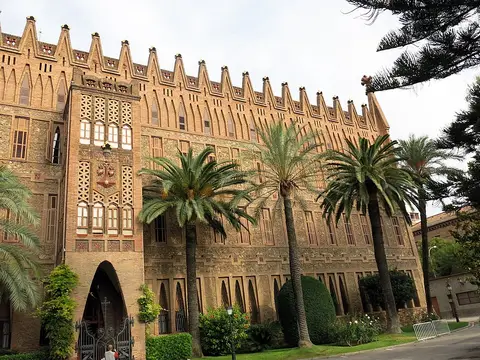
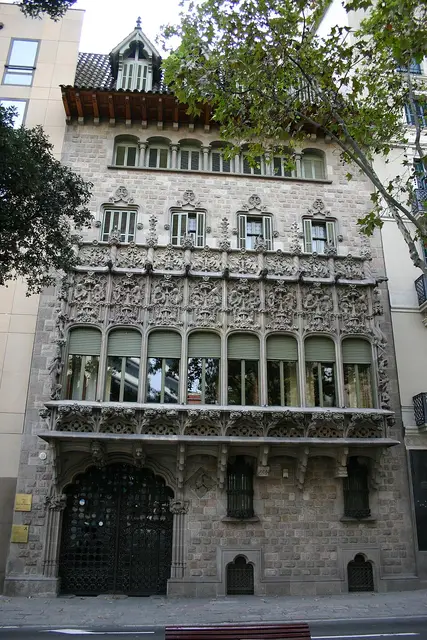
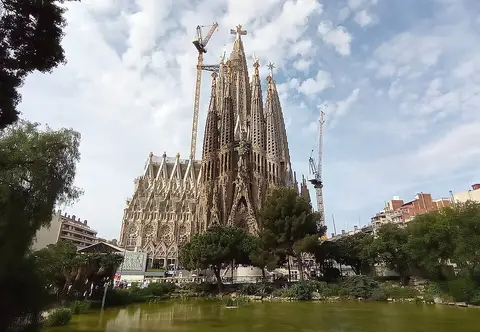
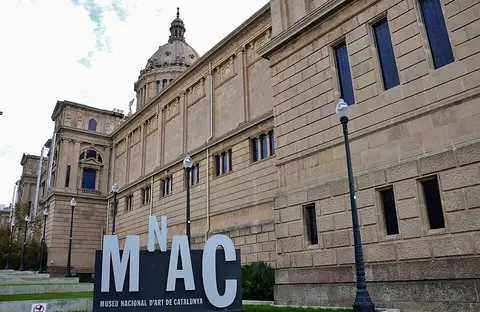
The Sagrada Família has been under construction since 1882 and is expected to reach its final height in the coming years with the central Tower of Jesus; even now it is the tallest church in the world. Inside, light streaming through the stained-glass windows turns into a forest of color – be sure to book tickets in advance. Antoni Gaudí's Casa Batlló, with its dragon-back roof, and the undulating Casa Milà, known as La Pedrera, both stand on the Passeig de Gràcia. Park Güell above Gràcia offers the famous mosaic bench and a wide view over the city. But Barcelona is more than Gaudí: Domènech i Montaner's Palau de la Música Catalana is one of the most beautiful concert halls in the world, and the Hospital de Sant Pau is an Art Nouveau complex of fairy-tale proportions. On Montjuïc, the MNAC national museum towers over the fountains of the Font Màgica, while the cathedral and the Basilica of Santa Maria del Mar showcase Catalan Gothic in its purest form.
Neighborhoods: From Ciutat Vella to Gràcia
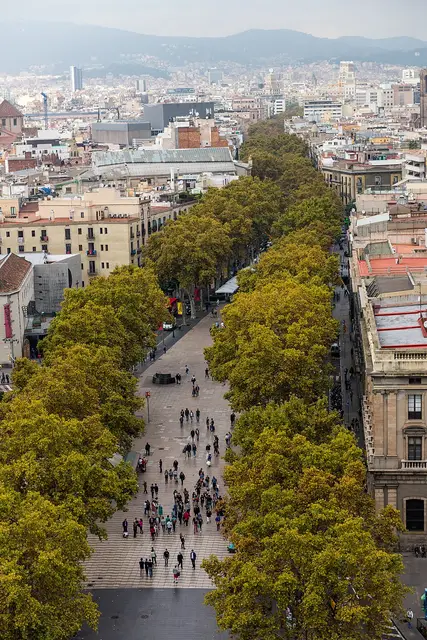
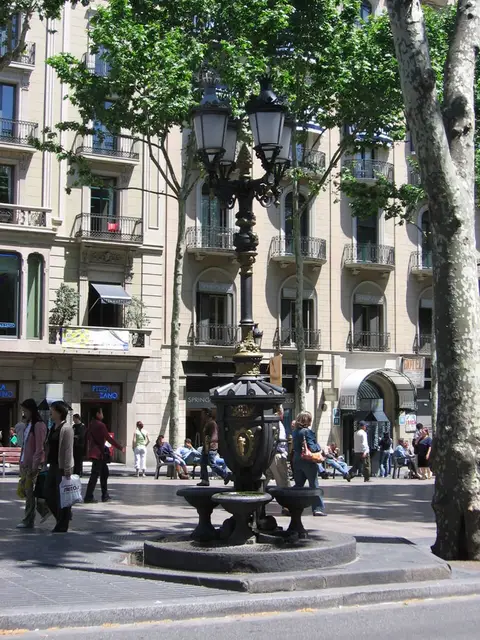
Ciutat Vella, the old town, is made up of several neighborhoods: the Barri Gòtic with the cathedral and Plaça del Rei, the Raval with the white Museu d'Art Contemporani and many young shops, and El Born with design boutiques and bars around Santa Maria del Mar. La Rambla, once the city's most famous promenade, is now mainly a thoroughfare for visitors – the side streets are much nicer. The Eixample, with its distinctive grid and chamfered corners, is the bourgeois heart of the city; the side to the left of the Passeig de Gràcia is also considered the center of the LGBTQ+ scene. Gràcia, once an independent village, has kept an almost village-like atmosphere with small squares such as Plaça del Sol; in August, the Festa Major de Gràcia transforms the streets with homemade decorations. Sant Martí includes the former industrial district of Poblenou, where tech companies, galleries, and the Rambla del Poblenou now come together, as well as the beaches all the way to the Fòrum. In Sants-Montjuïc you'll find the hill with its museums and the working-class neighborhood of Poble-sec with tapas bars on Carrer de Blai; Les Corts is home to the Camp Nou soccer stadium, and Sarrià-Sant Gervasi is known for quiet streets of villas at the foot of Tibidabo.
Museums and Culture
The Museu Picasso in the Born mainly shows the early years of the painter, who spent his youth in Barcelona. The Fundació Joan Miró on Montjuïc is worth a visit for Josep Lluís Sert's light-flooded building alone. CosmoCaixa delights families with a re-created section of the Amazon rainforest. Catalan traditions shape the cultural calendar: on Sant Jordi's Day, April 23, people give each other roses and books; during the Mercè festival in September, castellers build human towers, and at the Correfoc, devils race through the streets amid showers of sparks.
Eating and Drinking in Barcelona
Barcelona's restaurants range from simple bodegas to Michelin-starred dining. Classic Catalan dishes include pa amb tomàquet (bread with tomato and olive oil), botifarra sausage, escalivada made from roasted vegetables, and crema catalana for dessert. Fideuà, a kind of paella made with short noodles, is best enjoyed with a sea view in Barceloneta. La Boqueria on La Rambla is the best-known market, but it's also very crowded; you can shop more leisurely at the Mercat de Santa Caterina with its colorful wavy roof or at the Mercat de Sant Antoni. In the evening, a vermouth or a glass of cava is part of the ritual, and in winter there's the calçotada, where grilled spring onions are eaten with romesco sauce.
Going Out, Beaches, and Nightlife
Barceloneta is the beach closest to the city center, followed by Bogatell and Nova Icària, where things are calmer. In the evening, locals move through the bars of the Born, the Raval, and Gràcia; the big clubs are at Port Olímpic. Music festivals such as Primavera Sound and Sónar make Barcelona a meeting place for the international scene in early summer.
Getting Around Barcelona and the Best Time to Visit
From El Prat Airport (BCN), the Aerobús, Metro line L9, and regional trains run to the city center. The metro and buses cover the city densely, and many routes are easy to walk. Pickpockets are especially active on La Rambla and in the metro, so stay alert. The best times to visit are May, June, September, and October, when the sea is still warm but the city is less crowded. In high summer it's hot and packed. Worthwhile excursions lead to the Montserrat monastery in the jagged mountains, to the beaches of Sitges, or to the Penedès wine region.