About Palau de la Generalitat
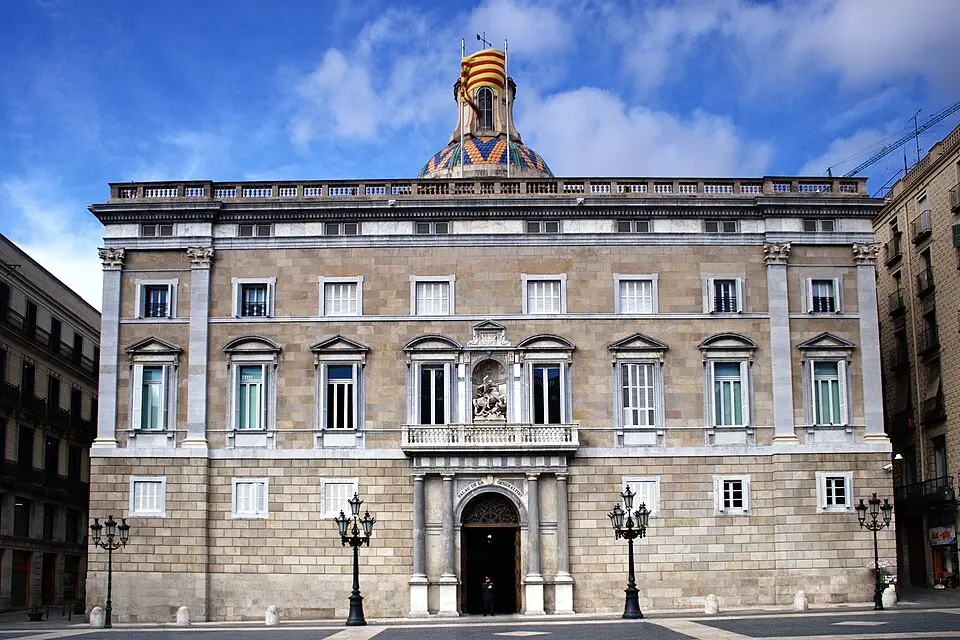
The Palau de la Generalitat in Barcelona is the historic seat of the Catalan regional government and stands in the old quarter of Ciutat Vella. One of the few medieval buildings in Europe still used by the institution that originally had it built, it now houses the offices of the President of the Generalitat. The building borders Carrer del Bisbe, Carrer de Sant Sever and Carrer de Sant Honorat, while its splendid main facade looks onto Plaça de Sant Jaume, directly opposite City Hall. The Generalitat originally bought the property in 1400, in what was then the Jewish quarter. Over the centuries, the complex was expanded by purchasing neighboring houses and was architecturally remodeled.
The palace's architecture is a fascinating mosaic of different styles. The central courtyard, with its grand staircase and surrounding galleries, displays Gothic elements, as do the Chapel of Sant Jordi and the facade on Carrer del Bisbe, which is built in the Flemish Gothic style. The present main facade facing Plaça de Sant Jaume, by contrast, was built in 1596 in the Renaissance style and is considered the first large facade of this style in Catalonia. A special detail is the four dark granite columns at the main entrance, which are said to originate from Troy and were brought to Tarragona in the 2nd century A.D. In the 20th century, the architect Josep Puig i Cadafalch carried out extensive restoration work, which also added new neo-Gothic elements such as the bridge to the Casa dels Canonges.
Historically, the building is a symbol of Catalonia's political ups and downs. After the Generalitat was abolished in the early 18th century, the palace served for a time as a royal court and later as the seat of the Royal Audience. Only with the restoration of democracy in the 1970s did the Generalitat return permanently to its historic premises. Today, visitors can not only experience the magnificent architecture and the historical significance of the site, but also visit the bridge to the Casa dels Canonges, which offers an impressive view over the rooftops of the old town. The palace thus stands for Catalonia's democratic traditions and cultural identity.
At a glance
- Category
- Sight › Monuments
- Rating
- no reviews yet · write a review
- Address
- Plaça de Sant Jaume, 4
08002 Barcelona, Spain - District
- Ciutat Vella
- Phone
- +34934024600
- Website
- www.gencat.cat
- gbpresident.presidencia@gencat.cat
- Coordinates
- 41.38283° N · 2.17683° E
- Data quality
- confidence 0.92
- Identifier
- ID a49ef6d8-551…
Location & surroundings
Toggle layersFAQ about Palau de la Generalitat
quick answersWhat is the Palau de la Generalitat in Barcelona?
The Palau de la Generalitat is the historic seat of the Catalan regional government in Barcelona's Ciutat Vella district. It is one of the few medieval buildings in Europe still used by the institution that originally had it built. Today it houses the offices of the President of the Generalitat.
Where is the Palau de la Generalitat in Barcelona?
The Palau de la Generalitat is located at Plaça de Sant Jaume, 4, in Barcelona's Ciutat Vella district, directly across from City Hall. The building also borders the streets Carrer del Bisbe, Sant Sever, and Sant Honorat. travelguide195 lists around 554 restaurants within 500 meters, and the palace is part of tours such as "From La Rambla to the Llotja: A Walk Through Ciutat Vella" and "Barcelona Through the Centuries: From the Romans to the Fortress on Montjuïc."
What architectural styles can you see at the Palau de la Generalitat?
The Palau de la Generalitat in Barcelona combines Gothic, Renaissance, and Neo-Gothic elements. The central courtyard with its grand staircase and galleries, the Chapel of Sant Jordi, and the facade on Carrer del Bisbe in the Flemish Gothic style are Gothic, while the main facade on Plaça de Sant Jaume was built in 1596 in the Renaissance style and is considered the first major facade of its kind in Catalonia. In the 20th century, the architect Josep Puig i Cadafalch added Neo-Gothic elements during his restoration, such as the bridge to the Casa dels Canonges, which you can visit and which offers a view over the rooftops of the old town.
What is the history of the Palau de la Generalitat?
The Generalitat purchased the property in 1400 in Barcelona's former Jewish quarter and expanded it over the centuries by buying neighboring houses. After the Generalitat was abolished in the early 18th century, the palace served for a time as a royal court and later as the seat of the Royal Audience. Only with the restoration of democracy in the 1970s did the Generalitat return permanently. A special detail is the four dark granite columns at the main entrance, which originally came from Troy and were brought to Tarragona in the 2nd century AD.
What can you see around the Palau de la Generalitat?
Around the Palau de la Generalitat in Barcelona, several historic sites and museums are just a few minutes' walk away. travelguide195 lists, among others, the Casa dels Canonges (about 61 m), the Temple of Augustus (about 66 m), the MUHBA Domus Sant Honorat (about 78 m), and the Major Synagogue (about 89 m). Also very close are the former Jewish quarter, Call Jueu (about 93 m), and the Centre d'interpretació del Call (about 105 m).
Ratings & comments
none yetNear Palau de la Generalitat
closest 5 per category · 2 kmSights
Museums
Hotels
More:Monuments in Barcelona (90)Sights in Ciutat Vella (178)All sights in Barcelona (680)
300 places within 2 km loaded.
Don't miss in Barcelona
All sights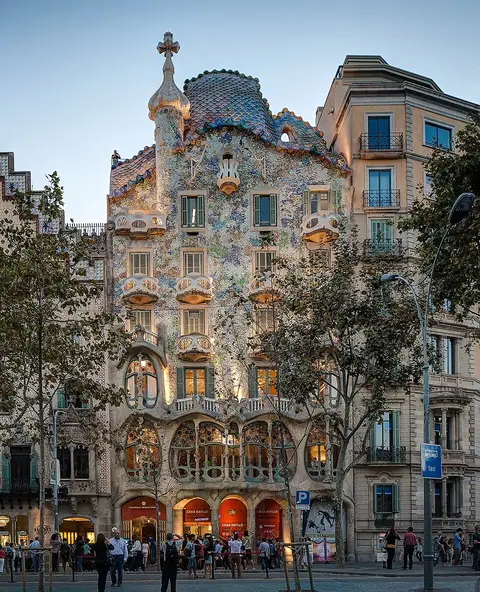 Historic sites01
Casa Batlló
Pg. de Gràcia, 43 · Barcelona● Website● Phone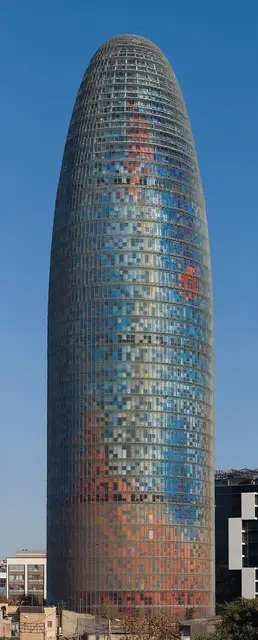 Historic sites02
Torre Glòries
Av. Diagonal, 211 · Barcelona● Website● Phone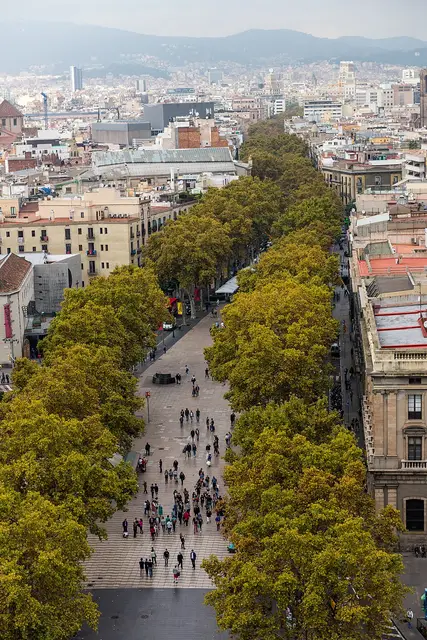 Historic sites03
Las ramblas
Barcelona (Sants · Barcelona● Website○ Phone Historic sites04
You need a free account to leave reviews and photos – that keeps comments genuine and lets you edit them later.