Catalonia: Barcelona, the Costa Brava and the Pyrenees
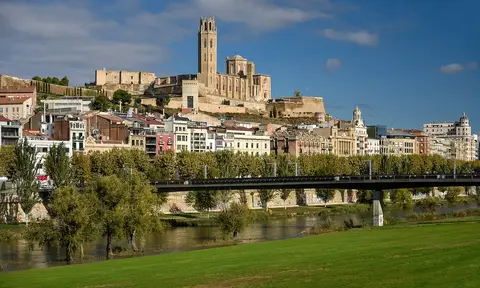
Travel guide · editorialCatalonia has its own language, its own festivals and a strong sense of identity – you can sense it in the striped Senyera flags hanging from so many balconies. A vacation in Catalonia takes you from the Modernisme facades of Barcelona to the rocky coves of the Costa Brava and on to Romanesque churches in Pyrenean valleys that are blanketed in snow in winter.
Location and Landscape
This autonomous community in northeastern Spain borders France and Andorra and is made up of four provinces: Barcelona, Girona, Lleida and Tarragona. Some 580 kilometers (360 miles) of coastline stretch from Portbou on the French border to the Ebro Delta, a flat landscape of rice fields, lagoons and sandbars. In the north, the Pyrenees form a barrier with peaks above 3,000 meters (9,800 feet); with its mountain lakes, Aigüestortes i Estany de Sant Maurici National Park is Catalonia's only national park. Inland, striking massifs rise up, such as Montserrat with its jagged conglomerate pinnacles, and to the west the drier plain around Lleida opens out, dotted with orchards.
Barcelona and the Surrounding Cities
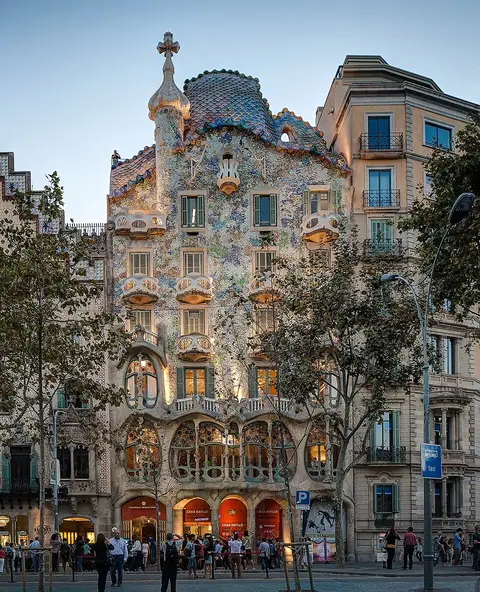
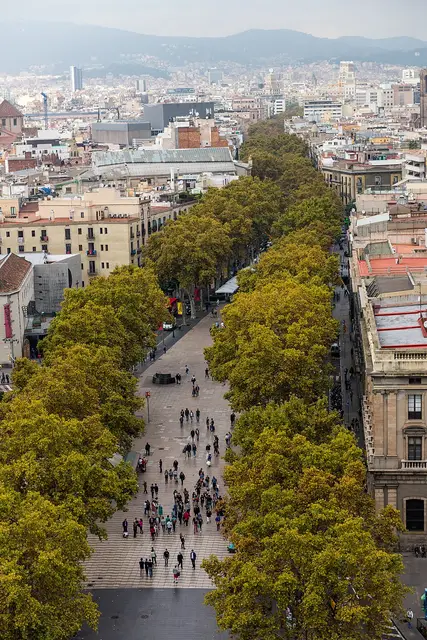
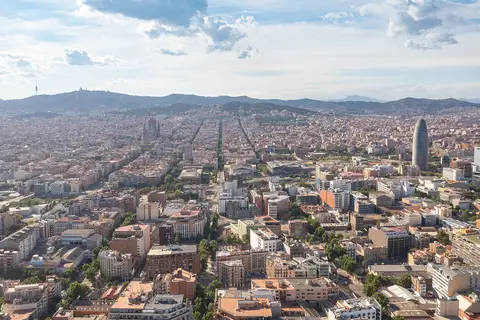
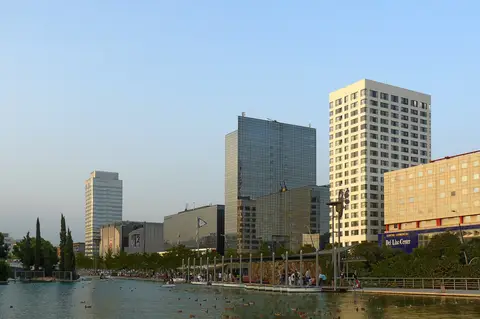
Barcelona is the capital and one of the most-visited cities in Europe. Antoni Gaudí shapes its image: the Sagrada Família, under construction since 1882, is nearing completion of its central towers, Casa Batlló and Casa Milà line the Passeig de Gràcia, and in Park Güell you can look out over the city from mosaic benches. Also worth seeing are the Gothic Quarter with its cathedral and Plaça del Rei, the Boqueria market hall on the Ramblas, the neighborhoods of El Born and Gràcia, and Montjuïc with the Museu Nacional d'Art de Catalunya and the Fundació Joan Miró. The city limits blur into L'Hospitalet de Llobregat, one of the most densely populated cities in Europe, and the industrial towns of the Vallès such as Terrassa, Sabadell and Granollers, which grew large on textile mills in the 19th century.
Sights in Catalonia Beyond the Capital
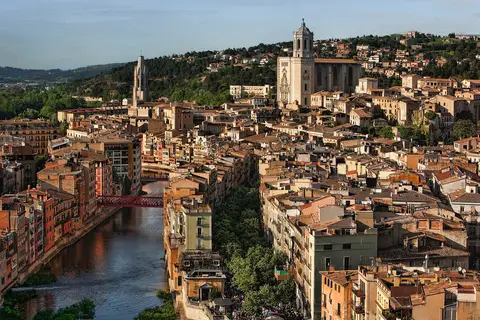
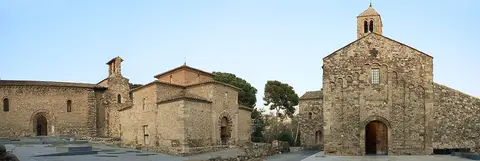
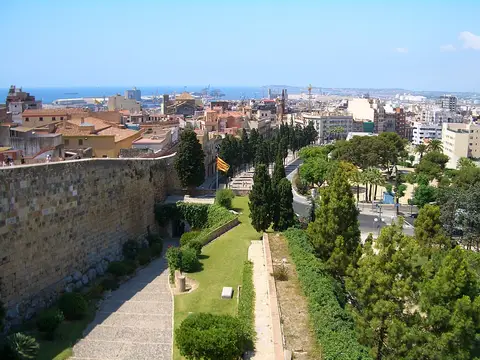
As Tarraco, Tarragona was one of the most important cities of Roman Hispania. Its seaside amphitheater, circus vaults and city wall are UNESCO World Heritage sites, and the Tarragonès region, with beach resorts like Salou and the PortAventura theme park, draws families. Girona captivates with the colorful houses along the Onyar River, one of the best-preserved Jewish quarters in Europe and a cathedral with a wide Gothic nave. Figueres in the Alt Empordà is Salvador Dalí's town, home to his Theatre-Museum beneath a dome crowned with giant eggs; you can also tour his house in Portlligat near Cadaqués. The Montserrat monastery with the Black Madonna, the Romanesque churches of the Vall de Boí and the Cistercian monastery of Poblet are further destinations. Sitges, south of Barcelona, combines a beach, an old town and a well-known film festival.
Costa Brava and Costa Daurada
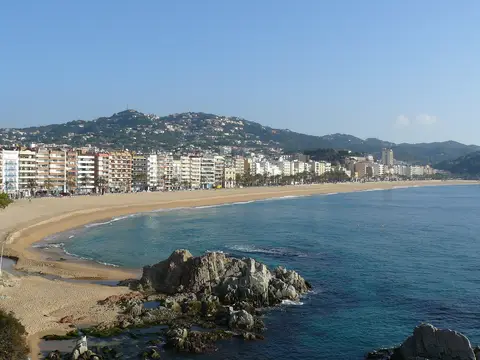
The Costa Brava begins at the border and runs through the Baix Empordà, with towns such as Palafrugell, Calella de Palafrugell, Begur and L'Estartit, all the way to Blanes in the La Selva comarca. Pine trees reach right down to the rocky coves, and footpaths known as Camins de Ronda link the calas. The Baix Empordà is also home to medieval villages such as Pals and Peratallada. Further south come the Costa del Maresme and the Costa Daurada, with long sandy beaches near Cambrils and Salou.
Culture, Language and Cuisine
Catalan is an official language alongside Spanish and is everywhere in daily life. On September 11 the Diada, the national holiday, is observed, and on April 23 comes Sant Jordi, when people give each other books and roses. The Castells, human towers up to ten levels high, are part of humanity's cultural heritage and can be seen at village festivals, as can the Sardana, a circle dance. Much of the cuisine starts with pa amb tomàquet, bread rubbed with tomato. In spring, people grill calçots, long spring onions dipped in romesco sauce. Suquet de peix, a fish stew, and crema catalana are part of the picture, as are cava from the Penedès around Sant Sadurní d'Anoia and robust red wines from the Priorat.
Getting There and Best Time to Visit
Barcelona-El Prat Airport is the main arrival point, joined by Girona and Reus for vacation flights. High-speed trains connect Barcelona with Madrid, Girona and, via Figueres, France; a dense network of Rodalies regional trains serves the coast and surrounding area. For the Pyrenees, a car makes sense. The best time to visit the city and coast is May, June and September, when the sea is warm but the heat is bearable. In high summer, the beaches and the Sagrada Família are crowded; in winter, ski resorts such as Baqueira-Beret in the Val d'Aran beckon.