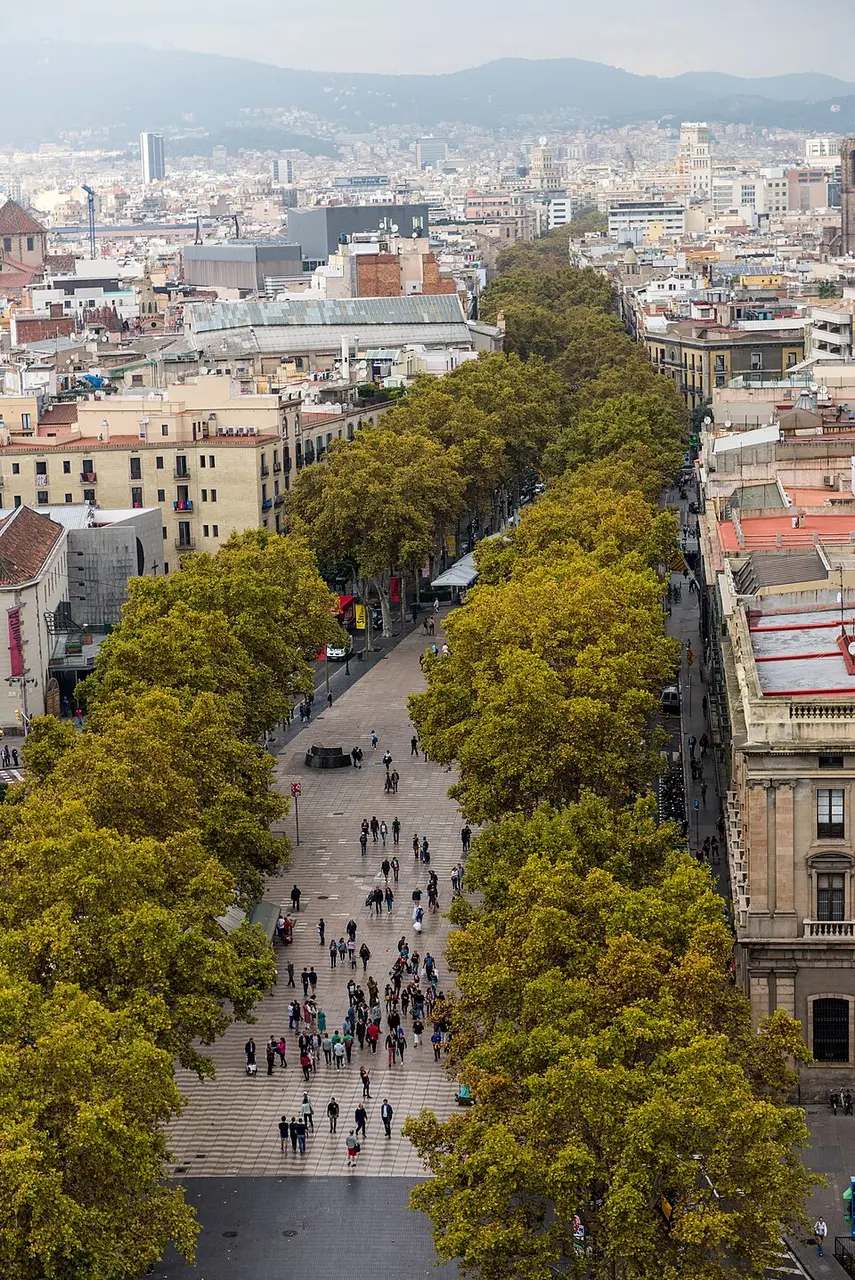
About Las ramblas
La Rambla is a central promenade in Barcelona, about 1.2 kilometers long, connecting Plaça de Catalunya with the Old Port. The name derives from the Arabic word for riverbed, though the theory that this was once the bed of the Malla River is historically disputed. What is certain, however, is that the area served as a sewage channel for centuries. Only after the old city wall was torn down between the 18th and 19th centuries did the transformation into a modern boulevard begin. On the newly freed-up land, which had previously been dominated by monasteries and church property, significant buildings were erected, such as the Gran Teatre del Liceu, the Mercat de la Boqueria, and Plaça Reial. Today the street is lined with magnificent historic buildings and plane trees, which have defined the look of the avenue since the 19th century.
Visitors experience the Rambla as a lively meeting place divided into several sections. At the start, on the Rambla de Canaletes, the famous fountain invites you to take a drink, which according to legend promises that you will return to Barcelona. Farther south, on the Rambla de Sant Josep, permanent flower stalls dominate, which is why this stretch is also known as the Flower Rambla. Organizationally, these vendors belong to the nearby Boqueria Market. On the Rambla dels Caputxins you'll find the opera house and the elegant Plaça Reial, where waiters hurry busily back and forth between the restaurants and the guests out on the street. The last section, the Rambla de Santa Mònica, is characterized by street performers in elaborate costumes and an arts and crafts market. At the end of the promenade, right at the harbor, stands the tall Columbus Monument, which offers a small observation platform reached by elevator.
At a glance
- Category
- Sight › Historic sites
- Rating
- no reviews yet · write a review
- Address
- Barcelona (Sants
08001 Barcelona, Spain - District
- Ciutat Vella
- Phone
- —
- Website
- objetivomalaga.diariosur.es
- —
- Coordinates
- 41.38164° N · 2.17260° E
- Data quality
- confidence 0.76
- Identifier
- ID 6bc5de9d-3cb…
Part of the tour
Barcelona in a Day: Gaudí, the Gothic Quarter and El Born →Location & surroundings
Toggle layersFAQ about Las ramblas
quick answersWhat is La Rambla in Barcelona?
La Rambla is a central promenade about 1.2 kilometers long in Barcelona's Ciutat Vella district. It connects Plaça de Catalunya with the Old Harbor. The boulevard is lined with historic buildings and plane trees, which have shaped its look since the 19th century.
Where does the name La Rambla come from, and how did the promenade in Barcelona come about?
The name La Rambla derives from the Arabic word for riverbed. Whether the bed of the Malla River actually ran here is disputed among historians, but it is certain that for centuries the area served as a drainage channel. It only became a modern boulevard after Barcelona's old city wall was torn down between the 18th and 19th centuries. Buildings such as the Gran Teatre del Liceu, the Mercat de la Boqueria, and the Plaça Reial were then built on former monastery and church grounds.
What sections does La Rambla have, and what can you expect there?
La Rambla in Barcelona is divided into several sections, each with its own character. At the Rambla de Canaletes stands the famous fountain, whose water, according to legend, promises that you will return to Barcelona. On the Rambla de Sant Josep, flower stalls from the Boqueria Market define the so-called Flower Rambla. On the Rambla dels Caputxins you'll find the opera house and the Plaça Reial, and on the Rambla de Santa Mònica, street performers in elaborate costumes and an arts-and-crafts market. At the harbor end stands the Columbus Monument, where an elevator takes you up to a small viewing platform.
What can you see around La Rambla in Barcelona?
Right on La Rambla in Barcelona, several sights and museums lie within a few minutes' walk. travelguide195 lists, among others, the Casa Bruno Cuadros (about 69 m), the Museu de l'Eròtica de Barcelona (about 70 m), the Mosaic de Joan Miró (about 76 m), and the Memorial Rambla (about 93 m). A little farther away are the Palau de la Virreina art museum (about 115 m) and the Big Fun Museum (about 39 m).
Are there restaurants and tours around La Rambla in Barcelona?
Yes, there is a very large selection of places to eat around La Rambla in Barcelona. travelguide195 lists about 549 restaurants within 500 meters. La Rambla is also part of the tour "Barcelona Compact: Gaudí, Gothic Quarter, and Born in One Day."
Ratings & comments
none yetNear Las ramblas
closest 5 per category · 2 kmRestaurants
Museums
Hotels
More:Historic sites in Barcelona (577)Sights in Ciutat Vella (178)All sights in Barcelona (680)
300 places within 2 km loaded.
Don't miss in Barcelona
All sights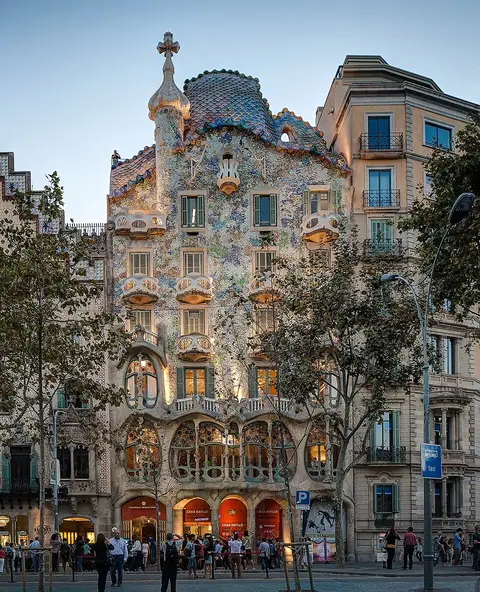 Historic sites01
Casa Batlló
Pg. de Gràcia, 43 · Barcelona● Website● Phone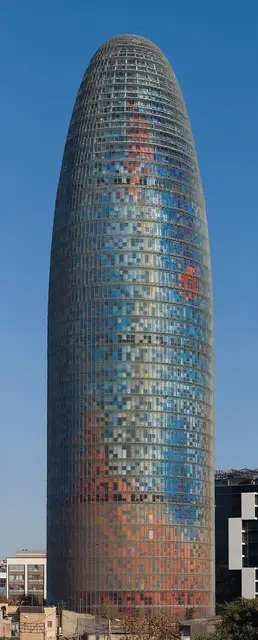 Historic sites02
Torre Glòries
Av. Diagonal, 211 · Barcelona● Website● Phone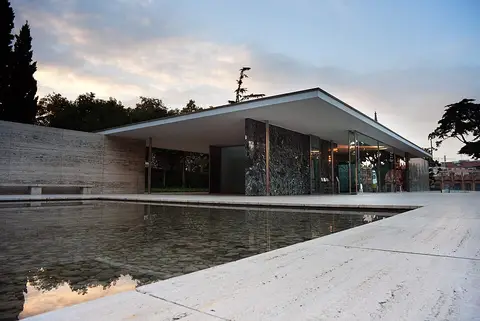 Historic sites03
Pavelló Alemany
Avinguda de Francesc Ferrer i Guàrdia, 7 · Barcelona● Website● Phone Monuments04
You need a free account to leave reviews and photos – that keeps comments genuine and lets you edit them later.
Often the first landmark that people identify with the city. It is the central and most famous boulevard cutting through the heart of the city centre — a vibrant promenade filled with Barcelona life at its best. It stretches from the harbour to La Plaça Catalunya, running through the Ciutat Vella like a spine. Come here to see street performers, enjoy the flower and pet stalls, or just sit back and watch all of Barcelona walk by. During the day La Rambla is packed with tourists; at night the atmosphere shifts and the locals come out, along with newspaper and book stands, musicians, and street artists that all contribute to a lively and unique atmosphere. Be aware that the area attracts pickpockets, particularly after dark. If you happen to be here after Barça win, you are in for a treat. A few blocks south of its north end you will find La Boqueria, a very large covered market.
Source: Wikivoyage, „Barcelona/Ciutat Vella“ · authors per page history · CC BY-SA 4.0