Sight · Historic sites
Pavelló Alemany
Avinguda de Francesc Ferrer i Guàrdia, 7, 08038 Barcelona
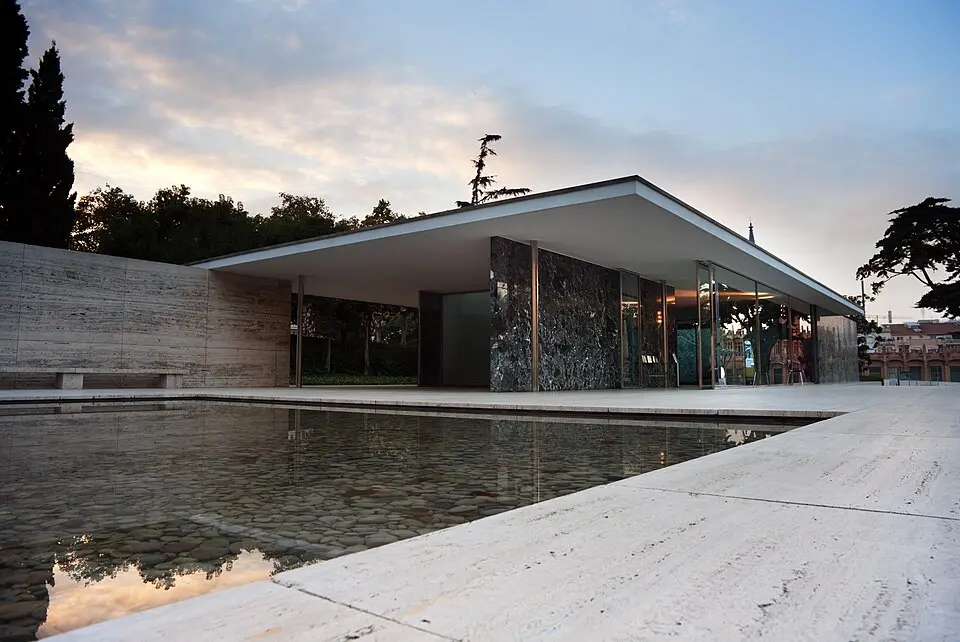
About Pavelló Alemany
The Pavelló Alemany in Barcelona is an architectural icon of the 20th century, originally built as the German Pavilion for the 1929 World's Fair. Designed by Ludwig Mies van der Rohe and Lilly Reich, the building served as a showcase for the Weimar Republic, and its precise design symbolized the capabilities of German industry. The structure embodies the principles of the free plan and flowing space: slender steel columns, glass walls, and high-quality natural stones such as travertine and onyx marble create a clear, open structure that connects interior and exterior. At the center of the outdoor area, Georg Kolbe's bronze figure Der Morgen (Morning) rises from a pool lined with black glass panels. After the original was demolished in 1929, the pavilion was reconstructed on its original site between 1983 and 1986. Today, the site invites visitors to experience the pioneering design that had a decisive influence on Mies van der Rohe's later works, such as the Neue Nationalgalerie.
At a glance
- Category
- Sight › Historic sites
- Rating
- no reviews yet · write a review
- Address
- Avinguda de Francesc Ferrer i Guàrdia, 7
08038 Barcelona, Spain - District
- Sants-Montjuïc
- Phone
- +34934234016
- Website
- www.miesbcn.com
- —
- Coordinates
- 41.37056° N · 2.15000° E
- Data quality
- confidence 0.85
- Identifier
- ID 8f60041c-6c8…
Location & surroundings
Toggle layersFAQ about Pavelló Alemany
quick answersWhat is the Pavelló Alemany in Barcelona?
The Pavelló Alemany in Barcelona is the former German Pavilion of the 1929 International Exposition and is considered an architectural icon of the 20th century. At the time, the building served as a showcase for the Weimar Republic and was meant to demonstrate the capabilities of German industry through its precise design. Today you can visit the historic site in the Sants-Montjuïc district and experience its groundbreaking design for yourself.
Who designed the Pavelló Alemany, and what makes its architecture special?
The Pavelló Alemany in Barcelona was designed by Ludwig Mies van der Rohe and Lilly Reich. The building embodies the principles of the free plan and flowing space: slender steel columns, glass walls, and high-quality natural stones such as travertine and onyx marble create an open structure that connects the interior and exterior. At the center of the outdoor area stands Georg Kolbe's bronze figure "Morning" in a reflecting pool lined with black glass panels. The design had a major influence on later works by Mies van der Rohe, such as the Neue Nationalgalerie.
Is the Pavelló Alemany in Barcelona still the original building?
No, today's Pavelló Alemany in Barcelona is a reconstruction. The original German Pavilion from the 1929 International Exposition was demolished. Between 1983 and 1986, it was rebuilt on its original site in the Sants-Montjuïc district.
Where is the Pavelló Alemany located, and what can you see nearby?
The Pavelló Alemany is located at Avinguda de Francesc Ferrer i Guàrdia 7 in the Sants-Montjuïc district of Barcelona. According to travelguide195, the Fundació Mies van der Rohe is only about 10 meters away, and the historic site Las cuatro columnas is about 170 meters away. You can reach the Museo Nacional de Arte de Catalunya after about 196 meters.
Are there restaurants near the Pavelló Alemany in Barcelona?
Yes, there are plenty of places to eat around the Pavelló Alemany in Barcelona. travelguide195 lists about 53 restaurants within 500 meters. That makes it easy to combine your visit to the Sants-Montjuïc district with a meal.
Ratings & comments
none yetNear Pavelló Alemany
closest 5 per category · 2 kmSights
Restaurants
Museums
Hotels
More:Historic sites in Barcelona (577)Sights in Sants-Montjuïc (87)All sights in Barcelona (680)
292 places within 2 km loaded.
Don't miss in Barcelona
All sights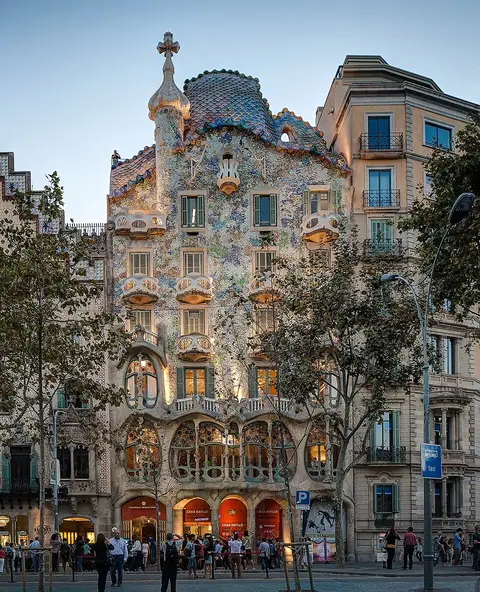 Historic sites01
Casa Batlló
Pg. de Gràcia, 43 · Barcelona● Website● Phone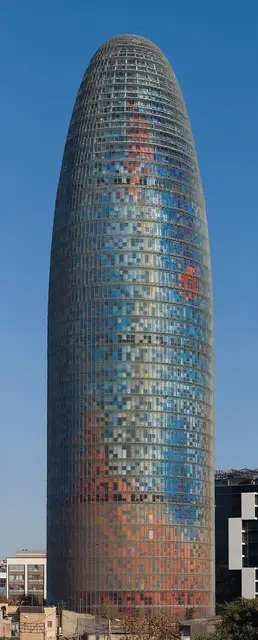 Historic sites02
Torre Glòries
Av. Diagonal, 211 · Barcelona● Website● Phone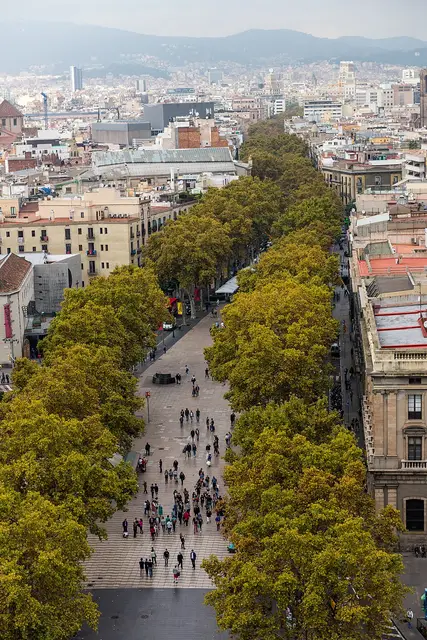 Historic sites03
Las ramblas
Barcelona (Sants · Barcelona● Website○ Phone Monuments04
You need a free account to leave reviews and photos – that keeps comments genuine and lets you edit them later.
The Pavilion is one of the emblematic works of Mies van der Rohe and key reference architecture of the twentieth century. The famous German Pavilion was designed for the 1929 Barcelona International Exhibition and reconstructed in 1986 on its original site. Its innovative architectural structure marked a radical change in the layout of space and greatly influenced the development of modern architecture. Furthermore, the Pavilion exhibits the Barcelona Chair , also designed by Mies van der Rohe, along with a bronze reproduction of Georg Kolbe’s sculpture Morning . The Fundació Mies van der Rohe veils for the conservation of the Pavilion.
Source: Wikivoyage, „Barcelona/Sants-Montjuïc“ · authors per page history · CC BY-SA 4.0 · as of 3/17/2024