Discover Valencia: Paella, the Turia Gardens, and Las Fallas
Travel guide · editorialWhere a river once flowed, families now bike through a six-mile-long park – Valencia turned a catastrophe into a strength. Spain's third-largest city combines a lively old town, futuristic architecture, and miles of city beaches. A trip to Valencia is also a pilgrimage to the real paella.
From Roman Valentia to Silk Metropolis
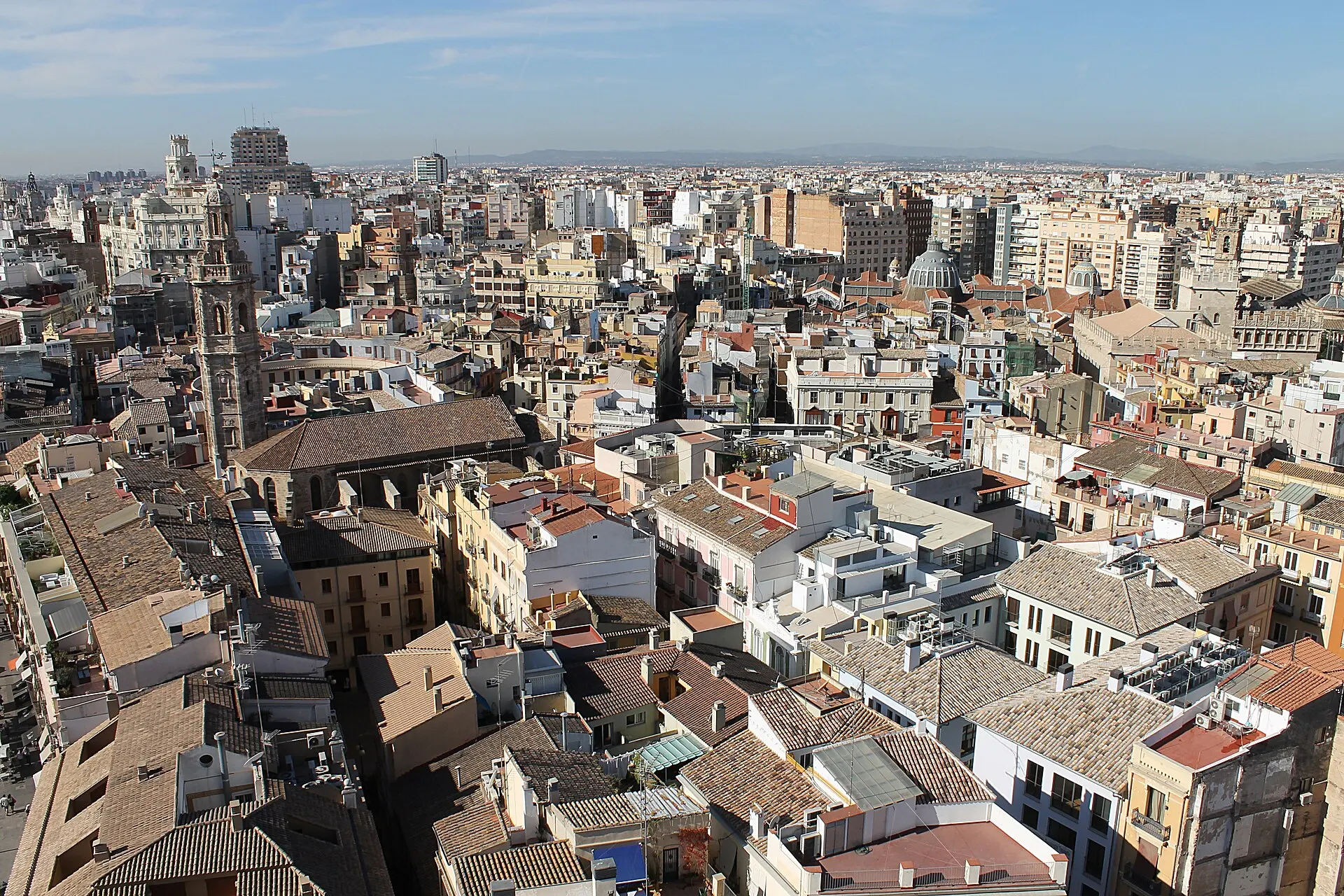
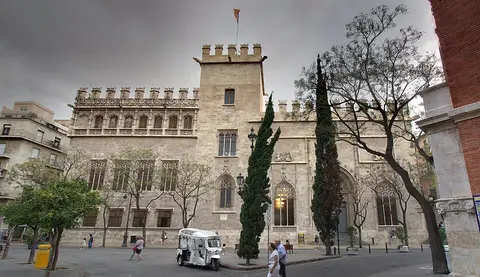
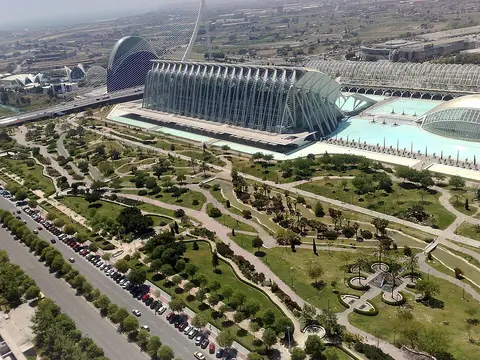
Roman veterans founded Valentia in 138 B.C.; later, five centuries of Moorish rule shaped the city and, above all, the irrigation system of the surrounding Huerta. In 1238, James I of Aragon conquered Valencia. In the 15th century, the so-called Golden Age, the city grew rich on the silk trade; the Lonja de la Seda, the Gothic silk exchange with its twisted columns and a UNESCO World Heritage Site, bears witness to this. After the devastating flood of 1957, the Turia was diverted around the city – the old riverbed became the Jardín del Turia, a green ribbon running right through Valencia.
Sights in Valencia
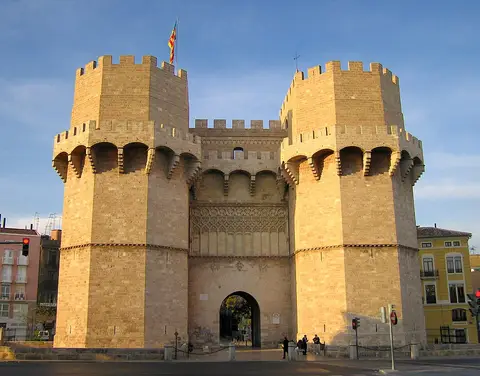
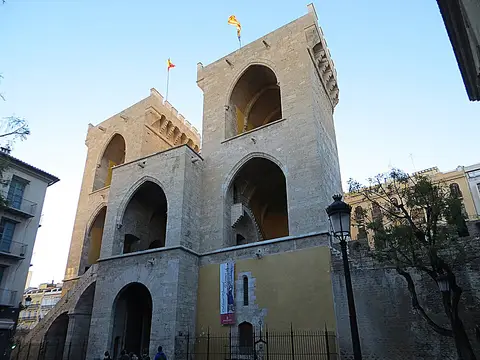
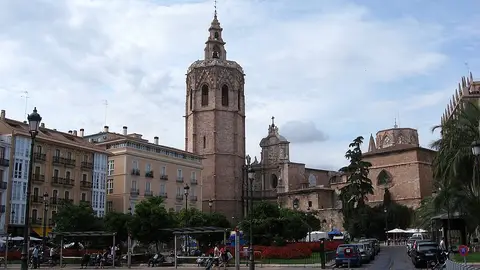
The cathedral in La Seu combines Romanesque, Gothic, and Baroque elements and houses a chalice that the church venerates as the Holy Grail. If you climb the 207 steps of the Miguelete bell tower, you can see across the rooftops all the way to the sea. In front of the Apostles' Door, the Water Tribunal has met every Thursday for centuries to rule on irrigation in the Huerta – in Valencian and without any written record. Right across from the Lonja stands the Mercado Central, an Art Nouveau market hall with a glass dome and around a thousand stalls. At the eastern end of the Turia Gardens lies the City of Arts and Sciences by Santiago Calatrava and Félix Candela: an opera house, a science museum, an IMAX theater, and the Oceanogràfic, one of the largest aquariums in Europe. The medieval city gates, Torres de Serranos and Torres de Quart, recall the former city wall.
Neighborhoods: El Carme, Russafa, and Cabanyal
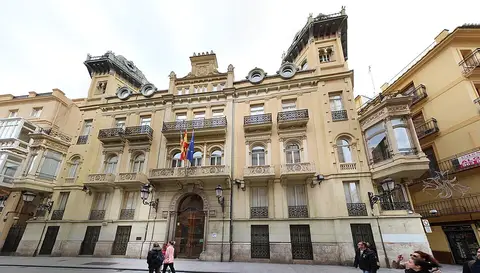
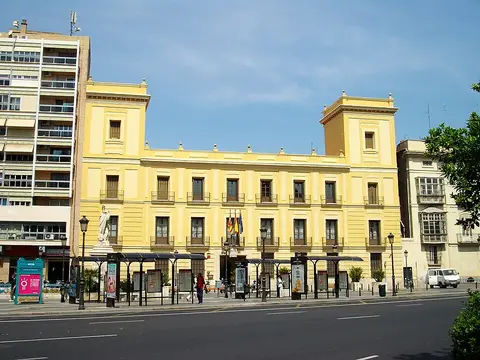
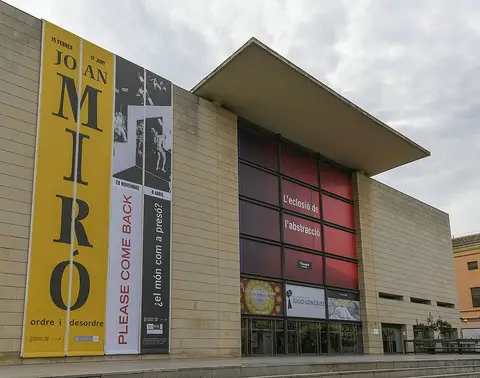
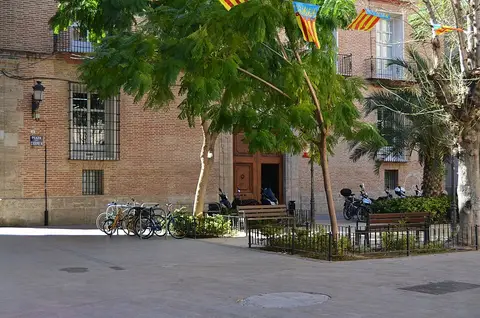
El Carme is the winding old-town neighborhood with street art, small bars, and the IVAM, the museum of modern art. Around Sant Francesc and the Plaza del Ayuntamiento beats the city's commercial heart; next door, on Gran Vía and in the Ensanche, you can stroll among 19th-century facades. Russafa, once a working-class district, is now the creative center with cafés, vintage shops, and a bustling market. By the sea lie El Cabanyal and El Canyamelar, an old fishing quarter whose brightly tiled houses narrowly escaped demolition. Soccer fans head to Mestalla, where Valencia CF plays.
Eating in Valencia: More Than Paella
The authentic paella valenciana is made with chicken, rabbit, green beans, and garrofó beans – seafood belongs in the paella de marisco, a different specialty. It's eaten at lunchtime, preferably at the restaurants on Playa de la Malvarrosa or in El Palmar on Albufera Lake, where the rice is grown. Arroz negro with squid ink, fideuà, and all i pebre, an eel stew, round out the rice cuisine. Horchata, a sweet drink made from tiger nuts, helps against the heat; you have it with elongated pastries called fartons – traditionally in the Alboraya district. In the evening, people drink Agua de Valencia, a mix of orange juice, cava, gin, and vodka.
Festivals and Going Out
The highlight of the year is Las Fallas in March: the neighborhoods build enormous, often satirical figures from wood and papier-mâché, which are burned on the night of March 19. Firecrackers go off for days, and every day at 2 p.m. the Mascletà shakes the Plaza del Ayuntamiento. The festival is part of UNESCO's intangible cultural heritage. The nightlife is concentrated in El Carme, Russafa, and, in summer, the beach bars of Malvarrosa.
Getting Around Valencia and the Best Time to Visit
Valencia-Manises Airport (VLC) lies about five miles to the west and is connected by metro; high-speed trains reach Madrid in just under two hours. In this flat city, the bicycle is ideal, and the Valenbisi bike-share system and many bike lanes make it easy. The best time to visit is spring and fall; in midsummer it gets muggy. Worthwhile excursions include the Albufera Natural Park for sunset on the lake, or Sagunto with its Roman theater and castle.