Valencian Community: Paella, Las Fallas and the Costa Blanca
Travel guide · editorialBetween orange groves and the Mediterranean, the Valencian Community stretches along almost 500 kilometers of coastline. A vacation in the Valencian Community can mean big-city life in Valencia, a beach holiday in Benidorm or hikes through the mountains behind Dénia – and almost always a Sunday lunchtime paella is part of the deal.
Three provinces between the sea and the mountains
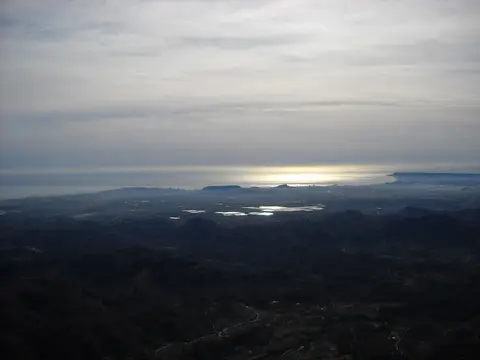
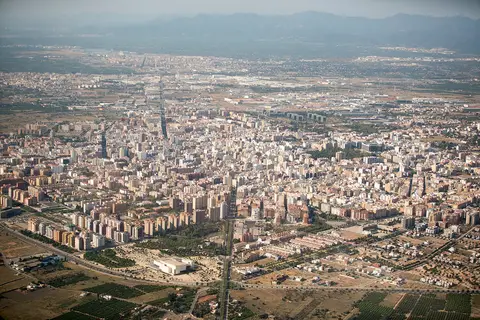
The Comunitat Valenciana, as it is officially called, consists of the provinces of Castellón in the north, Valencia in the middle and Alicante in the south. The coast goes by several names: the Costa del Azahar – the Orange Blossom Coast – around Castellón, the Costa de Valencia around the capital and the Costa Blanca from Dénia to Pilar de la Horadada. Behind the coastal strip, the land rises quickly. To the north lies the rugged highland of the Maestrat with villages like Morella, and to the south the Sierra de Aitana and the Serra de Bernia. Around Valencia spreads the Huerta, a centuries-old irrigated farming region, and south of the city lies the Albufera lagoon, whose shores are given over to rice growing. Alongside Spanish, Valencian – a variety of Catalan – is an official language.
Valencia: Old town, Turia Gardens and futuristic architecture
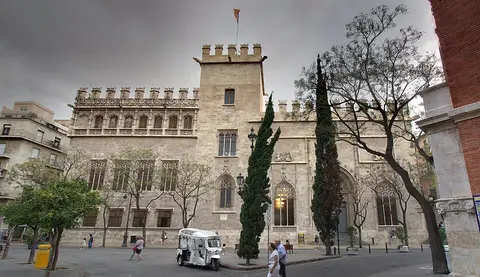
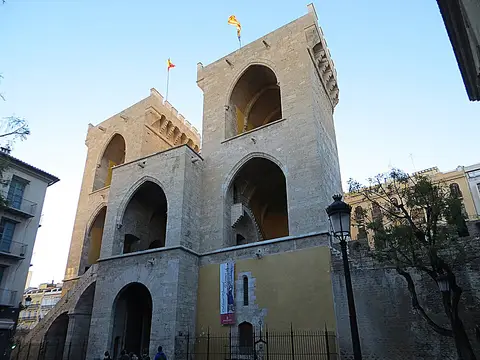
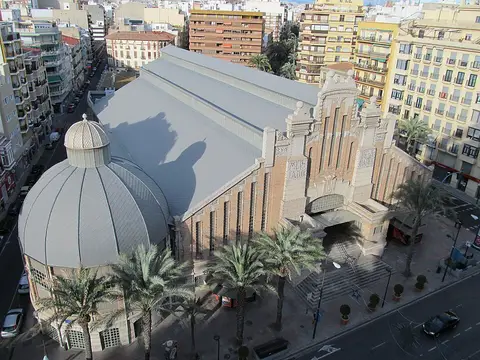
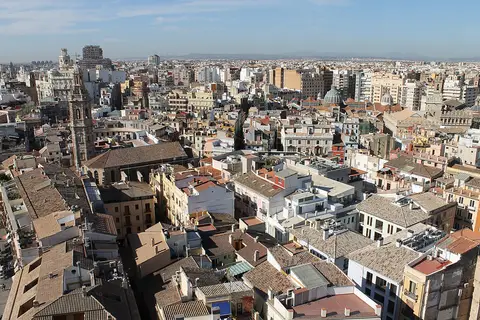
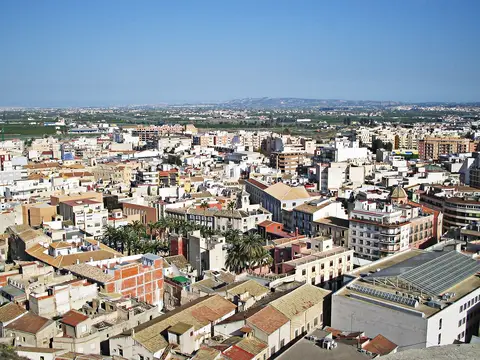
Spain's third-largest city shows off its history in the old town, Ciutat Vella: the cathedral claims to hold the Holy Grail, the Gothic silk exchange La Lonja is a UNESCO World Heritage Site, and the Mercado Central, with its Art Nouveau dome, is one of the largest market halls in Europe. After a devastating flood in 1957, the Turia River was diverted; in its old riverbed, a green belt about nine kilometers long was created, and at its end stands Santiago Calatrava's Ciudad de las Artes y las Ciencias, with the Oceanogràfic, an opera house and a science museum. The beaches of Malvarrosa and Las Arenas are within cycling distance. In October 2024, a severe flash flood (DANA) struck the towns south of the city; the rebuilding shaped the region for a long time afterward.
Costa Blanca: Alicante, Benidorm and Dénia
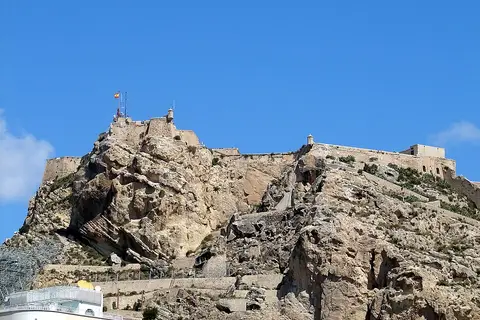
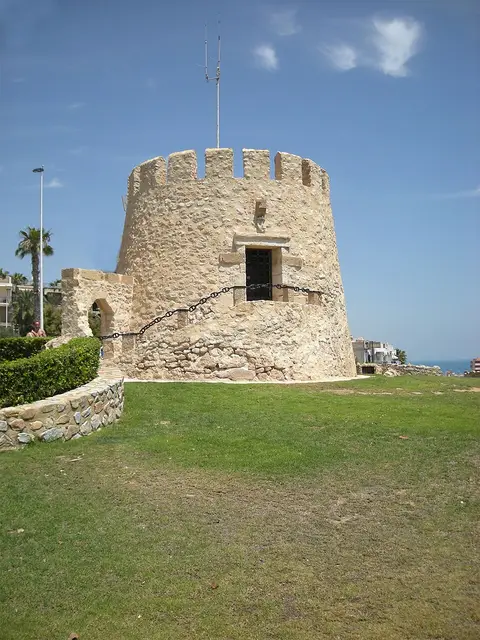
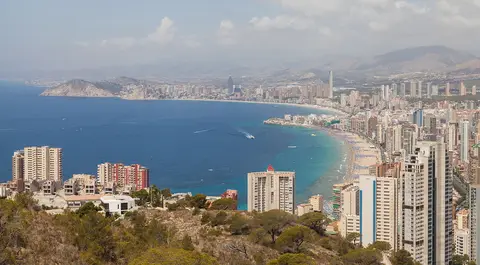
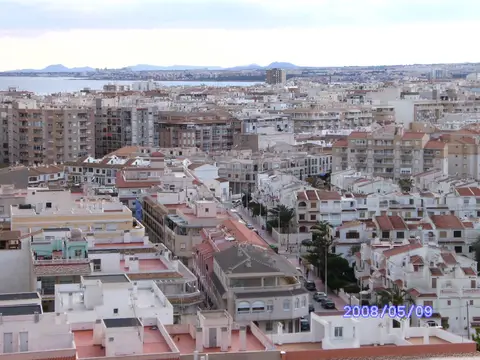
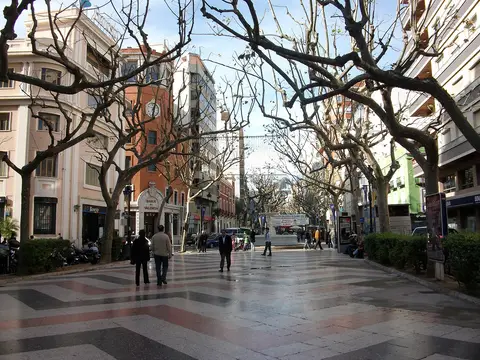
Alicante welcomes you with a palm-lined promenade, the Explanada, and the Castillo de Santa Bárbara on the Benacantil rock. From the 1950s on, Benidorm grew into a high-rise city by the sea; its skyline of more than a hundred towers is controversial, but its two beaches, Levante and Poniente, are remarkably clean. Farther north, the coast is more intimate: Altea with its white church on the hill, Calp with the rocky outcrop of the Peñón de Ifach, Jávea, and Dénia at the foot of Montgó. In the south, Torrevieja sits between two pink salt lakes where flamingos wade. Many northern and central Europeans live here year-round or spend the winter.
Sights in the Valencian Community's hinterland
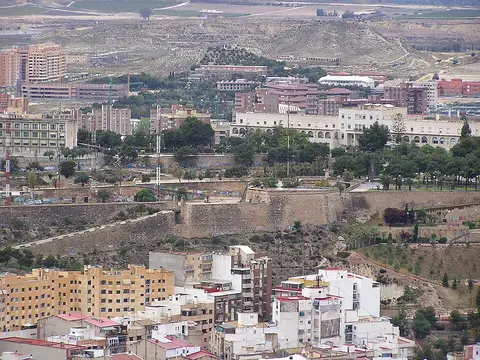
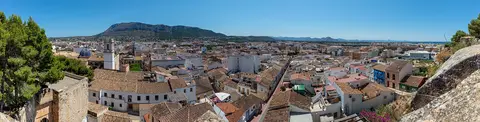
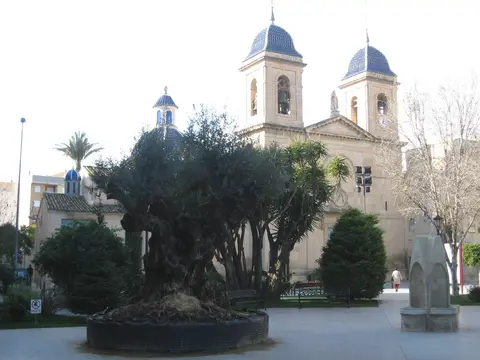
Elche, called Elx in Valencian, has the largest palm grove in Europe, the Palmeral, which, like the medieval mystery play Misteri d'Elx, is a UNESCO World Heritage Site. In Orihuela, the cathedral, palaces and churches testify to the city's importance in the 16th and 17th centuries. Xàtiva has a long castle on a mountain ridge, and Guadalest is a village perched on a rock overlooking a turquoise reservoir. In the north, worthwhile stops include Peñíscola with its Templar castle on a peninsula, the walled town of Morella, and Castelló de la Plana, which celebrates the Magdalena festival in spring. Other Valencian Community destinations worth visiting include the waterfalls and hiking trails of the Fonts de l'Algar.
Paella, horchata and Las Fallas
Paella comes from the Albufera area, and Valencians have clear ideas about it: authentic paella valenciana contains chicken, rabbit, green beans and garrofó beans, but no seafood. Besides that, there is arroz a banda, arroz negro made with squid ink, and the oven-baked arroz al horno. Horchata, a cool drink made from tiger nuts, is enjoyed with fartons pastries, especially in Alboraya. Turrón, the almond nougat eaten at Christmas, comes from Jijona. The best-known festival is Las Fallas in March, when giant figures of wood and papier-mâché are set up in Valencia and burned on the night of March 19. In Alicante, the Hogueras de San Juan bonfires blaze at the summer solstice, in Buñol people pelt each other with tomatoes at the Tomatina in August, and in Alcoy the Moros y Cristianos festival commemorates the Reconquista.
Getting there and the best time to visit
The airports of Alicante-Elche and Valencia have direct flights from many European cities. Valencia can be reached from Madrid by AVE high-speed train in about two hours, and Alicante takes a little longer. The TRAM light rail connects Alicante with Benidorm and Dénia. The climate is mild; spring and fall are considered the best times to visit, when hikes in the hinterland are pleasant. In July and August it is hot and the coast is crowded; in winter, temperatures usually stay in the double digits (°F: well above 50), which attracts many long-stay visitors.