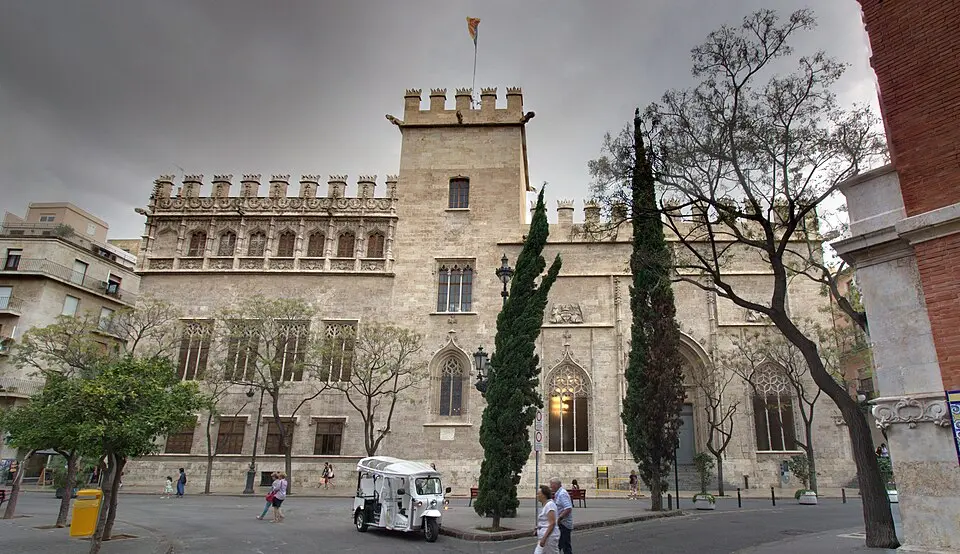
About La Lonja de la Seda de Valencia
The Lonja de la Seda in Valencia is an outstanding example of secular Gothic architecture and has been a UNESCO World Heritage Site since 1996. Originally built as an oil market in the late 15th century, the building developed into the city's central trading hall for silk. The complex includes an imposing columned hall with twisted columns, a fortified tower with a chapel, the Consulado del Mar wing with Renaissance elements, and a courtyard lined with orange trees. Today the complex houses Valencia's cultural academy and serves as an exhibition venue. You can experience the architectural variety and historical significance of the site, though the view from the tower is accessible only on special guided tours.
At a glance
- Category
- Sight › Historic sites
- Rating
- no reviews yet · write a review
- Address
- C/ de la Llotja, 2
46001 Valencia, Spain - District
- el Mercat
- Phone
- +34962084153
- Website
- es.wikipedia.org
- —
- Coordinates
- 39.47437° N · -0.37833° E
- Data quality
- confidence 0.89
- Identifier
- ID dc1a6c4c-3f3…
Location & surroundings
Toggle layersFAQ about La Lonja de la Seda de Valencia
quick answersWhat is the Lonja de la Seda in Valencia?
The Lonja de la Seda in Valencia is a historic trading hall and an outstanding example of secular Gothic architecture. It was built in the late 15th century, originally as an oil market, and later became the central marketplace for silk. The Lonja de la Seda has been a UNESCO World Heritage Site since 1996. Today it houses Valencia's Cultural Academy and serves as an exhibition venue.
What can you see at the Lonja de la Seda in Valencia?
At the Lonja de la Seda in Valencia, you can explore an ensemble of several building sections in different architectural styles. These include an impressive columned hall with twisted columns, a fortified tower with a chapel, the Consulado del Mar wing with Renaissance elements, and a courtyard lined with orange trees. However, you can only enjoy the view from the tower on special guided tours.
Where is the Lonja de la Seda in Valencia?
The Lonja de la Seda is in the El Mercat neighborhood of Valencia, Spain. The address is C/ de la Llotja, 2. For the area within 500 meters, travelguide195 lists around 449 restaurants.
What can you see around the Lonja de la Seda in Valencia?
Around the Lonja de la Seda in Valencia, you'll find several historic sites within a few minutes' walk. Among others, travelguide195 lists the Covetes de los Santos Juanes about 45 meters away and the Espai d'Art la Llotgeta about 97 meters away. At around 134 to 136 meters, you'll find La Finca més Estreta d'Europa, the Palacio de los Eixarchs, and the Palau d'En Bou.
Are there tours that include the Lonja de la Seda in Valencia?
Yes, travelguide195 lists two tours that include the Lonja de la Seda in Valencia. The tour "Valencia's Old Town on Foot: From El Carme to the Silk Exchange" takes you on foot through the old town to the Silk Exchange. The tour "Valencia for Food Lovers: Tapas, Sushi, and Cocktails Through the Old Town" combines the visit with culinary stops in the old town.
Ratings & comments
none yetNear La Lonja de la Seda de Valencia
closest 5 per category · 2 kmSights
Restaurants
Museums
More:Historic sites in Valencia (218)All sights in Valencia (257)
300 places within 2 km loaded.
Don't miss in Valencia
All sights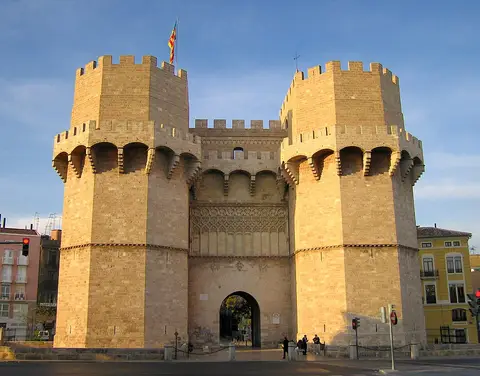 Monuments01
Torres dels Serrans
Plaza de los Fueros, 5 · Valencia● Website● Phone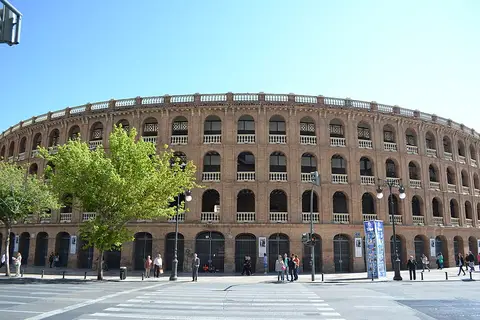 Historic sites02
Plaza de Toros de Valencia
Carrer de Xàtiva, 28 · Valencia● Website● Phone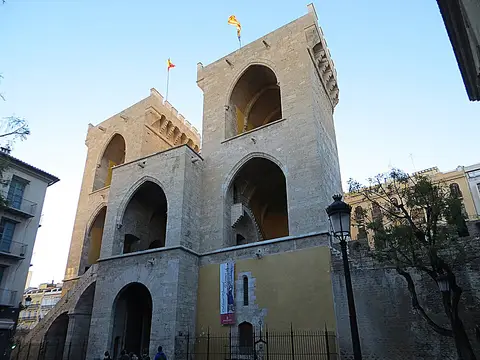 Monuments03
Las torres de Quart Valencia
Plaça Santa Úrsula, 1 · Valencia○ Website○ Phone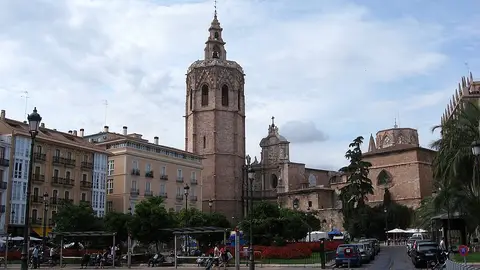 Historic sites04
You need a free account to leave reviews and photos – that keeps comments genuine and lets you edit them later.
This UNESCO landmark is considered to be one of the most significant secular Gothic buildings in Europe. It was built between 1482 and 1533 on the site of an earlier oil exchange. The Llotja consists of four distinct parts: the Sala de Contractació (Trading Hall), also known as the Saló Columnari (Hall of Columns); the Sala Consulado del Mar with its magnificent ceiling; the unfinished Torre (tower) with its debtor prison (temporarily closed to visitors), and the Pati dels Tarongers (Patio of Oranges). Some of the Gothic gargoyles are quite naughty.
Source: Wikivoyage, „Valencia“ · authors per page history · CC BY-SA 4.0 · as of 6/29/2015