Discover Torrevieja: Salt Lakes, Beaches, and Habaneras
Travel guide · editorialAt the southern end of the Costa Blanca, a lake glows pink, and next to it, white mountains of salt pile up: Torrevieja owes its existence to salt. Today the town is one of the most popular places for Northern Europeans to live and vacation on Spain's Mediterranean coast. A vacation in Torrevieja means beaches, a mild climate, and a healthy breeze off the lagoons.
A Town Built on Salt
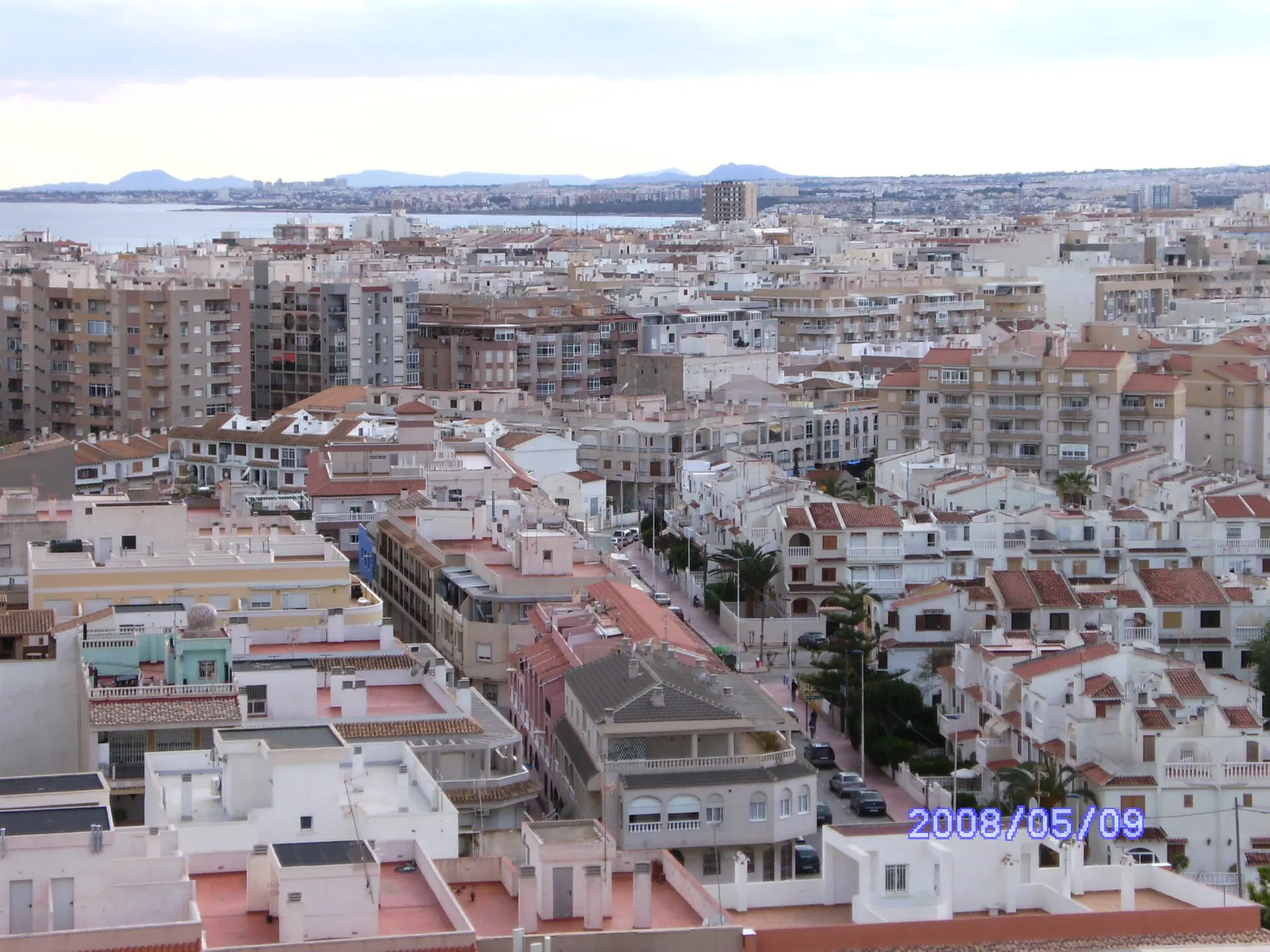
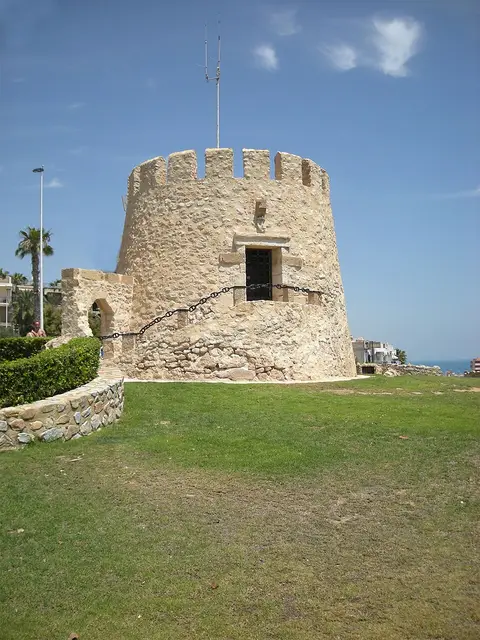
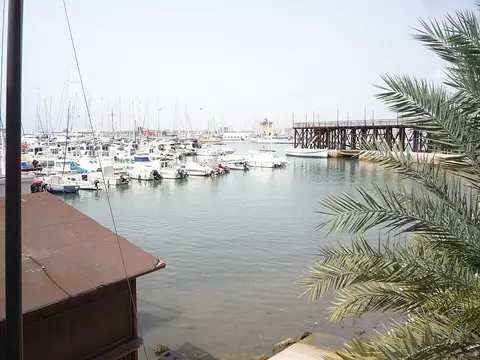
Salt was already being harvested in the lagoons of Torrevieja and La Mata in the Middle Ages, but the town itself only came into being in the 18th century, when the Spanish crown moved the salt works administration here. The name comes from an old watchtower, the "torre vieja." A severe earthquake destroyed large parts of the town in 1829, and it was rebuilt afterward with a grid of straight streets. To this day, the salt works are among the largest in Europe; the salt is loaded onto ships in the harbor by conveyor belt. Since the 1970s, Torrevieja has grown rapidly thanks to tourism, and a large share of its residents have foreign roots.
Sights in Torrevieja
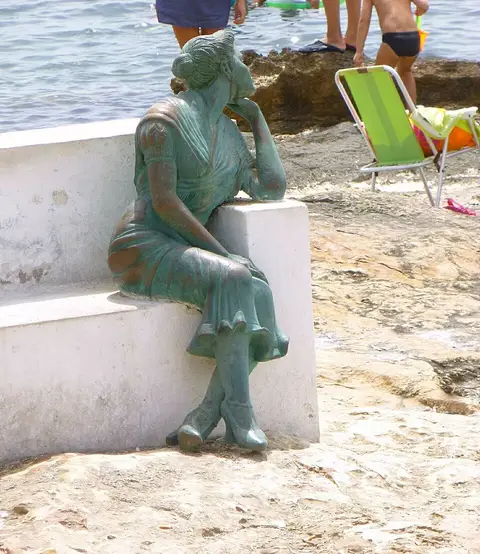
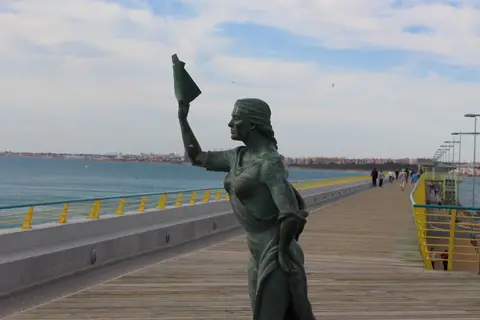
The Natural Park of the Lagoons of La Mata and Torrevieja is the main attraction. Thanks to microorganisms and brine shrimp, the Laguna Rosa turns a vivid pink depending on the light and the season; you can watch flamingos from the shore. Cycling and hiking trails around the Laguna de La Mata lead through pine forests and salt meadows, and observation towers offer views across the water. In the harbor, the Delfín S-61 submarine, which you can tour, and the Museo del Mar y de la Sal (Museum of the Sea and Salt) recall the town's maritime history. The Paseo Juan Aparicio promenade passes sculptures and the Casino, a magnificent building from the late 19th century.
Beaches and Nature
The city beaches of Playa del Cura and Playa de los Locos lie right in the center, between small rocky coves. To the north stretches the long Playa de La Mata with its dunes, and to the south are the coves of Cabo Cervera and Cala Ferris. The sea off Cabo Cervera is of interest to divers, with Posidonia meadows and caves. If you're looking for some exercise, you can walk around the lagoons on marked trails or cycle to the Vía Verde toward the interior.
Food, Music, and Festivals
The cuisine of the Vega Baja is shaped by rice and fish: caldero, a rice stew with fish, and arroz con costra are typical. Another regional specialty is the gamba roja, a red prawn caught off the coast of Santa Pola and Torrevieja. In summer, the Certamen Internacional de Habaneras takes place, a choir competition dedicated to the sea shanties that salt sailors once brought back from Cuba. There are also markets, such as the Friday weekly market, which sells fruit from the huerta, clothing, and handicrafts. Nightlife centers on the harbor area and the beach bars along the Paseo.
Getting Around and Best Time to Visit
Alicante-Elche Airport (ALC) is about 28 miles (45 km) to the north, and Región de Murcia Airport is a similar distance to the southwest. Buses connect Torrevieja with Alicante and Murcia; the town has no train station. Buses run within the town, and many destinations are easy to reach on foot or by bike. Torrevieja has a mild, dry climate year-round, which some doctors recommend for respiratory problems. Spring and fall are the most pleasant; in August, the town is packed.