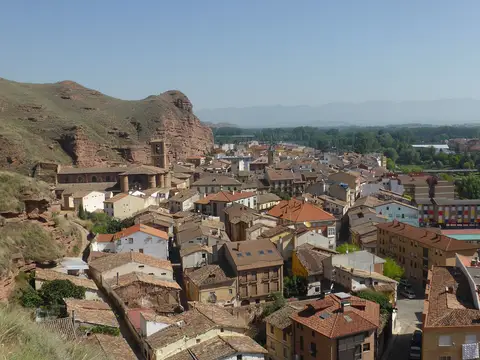
Logroño Province: La Rioja Between Wine and Monasteries
Travel guide · editorialThe province of Logroño is known today as the autonomous community of La Rioja, and its name appears on wine bottles around the world. A vacation in the province of Logroño combines wineries and bodegas with monasteries where the first words in the Spanish language were written down, and with tapas alleys where you spend the evening hopping from bar to bar.
Location: the Ebro Valley and Its Tributaries
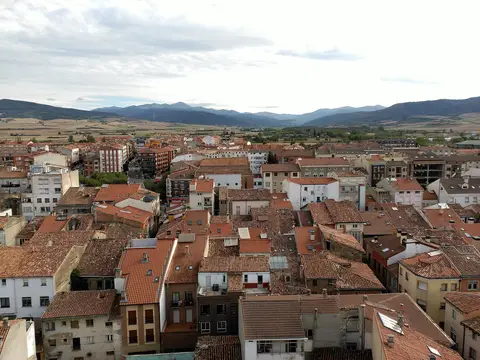
The smallest autonomous community on the Spanish mainland lies in the north, between the Basque Country, Navarre, Aragon, and Castile and León. Its name comes from the Oja River, one of seven tributaries that flow north from the Sierra de la Demanda and the Cameros to the Ebro. The region is divided into Rioja Alta in the west, which is cooler and wetter, and Rioja Oriental in the east, with a warmer, Mediterranean climate. In the south, the mountains rise above 2,000 meters, and in the Leza Valley and Cidacos Valley dinosaur tracks have been found in the rock slabs, which you can visit along marked trails.
Logroño and the Camino de Santiago
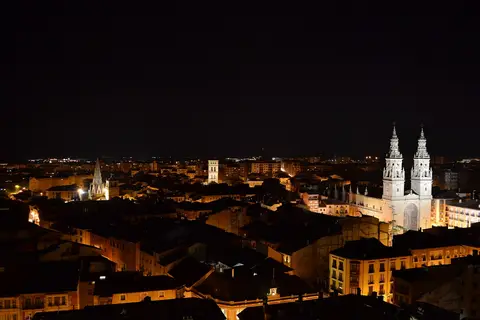
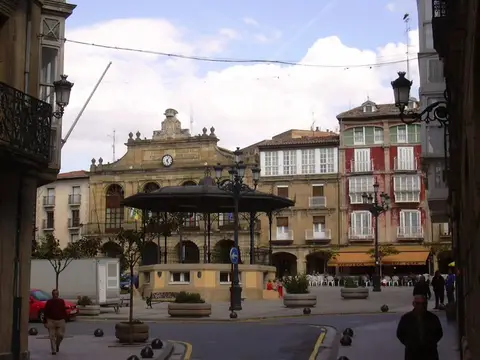
Logroño, the capital, sits on the Ebro and on the Camino Francés. The co-cathedral of Santa María de la Redonda with its two Baroque towers, the stone bridge over the river, and the pilgrims' church of Santiago el Real shape the center. Calle Laurel is famous: a short lane lined with dozens of bars, each with its own specialty, such as grilled mushrooms topped with shrimp or tongue stew. In September the city celebrates the grape harvest with the San Mateo festival. West of the city, the Camino de Santiago leads to Nájera, where the kings of Navarre are buried in the monastery of Santa María la Real, and on to Santo Domingo de la Calzada. In its cathedral, a rooster and a hen live in a cage in memory of the miracle of the hen, a legend about a pilgrim wrongly hanged.
Sights in the Province of Logroño: Monasteries and Wine Towns
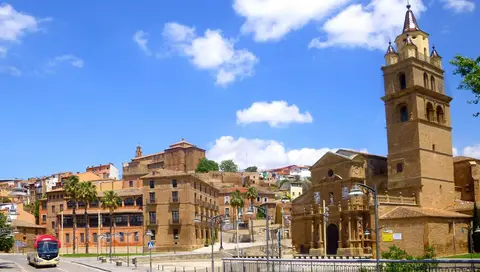
San Millán de la Cogolla is home to the monasteries of Suso and Yuso, both UNESCO World Heritage sites. The Glosas Emilianenses, marginal notes regarded as early evidence of the Spanish and Basque languages, were written here in the 10th and 11th centuries. Haro is the center of Rioja Alta; in the station district, large, old bodegas such as López de Heredia, CVNE, and Muga lie close together, and at the end of June residents douse each other with red wine during the Batalla del Vino. Briones, with a modern wine museum, and Ezcaray at the foot of the sierra, known for wool blankets and skiing at Valdezcaray, are other worthwhile destinations. In the east, Calahorra, an old Roman city, is known for its vegetables and a cathedral; Arnedo is considered a shoemaking town.
Food and Drink
Rioja wine is based mainly on Tempranillo, supplemented by Garnacha, Graciano, and Mazuelo, and is classified as Crianza, Reserva, or Gran Reserva according to aging time. Many bodegas offer tours, some in buildings by well-known architects. Patatas a la riojana, a potato stew with chorizo, is the best-known dish, along with lamb chops grilled over vine cuttings and pimientos rellenos. Calahorra holds a vegetable week in spring.
Getting There and Best Time to Visit
Logroño Airport has only a few connections; most visitors arrive via Bilbao, about an hour and a half away by car. Logroño lies on the rail line between Zaragoza and Bilbao. The best times to visit are May and June as well as September and October, when the grape harvest begins and the vines change color.