Discover Gijón: Cimadevilla, Beach and Sidra
Travel guide · editorialIn Gijón, you hear the cider before you drink it: the server lifts the bottle high above his head and lets the sidra fall into the glass in a thin stream. Asturias's largest city is a port and working-class town with an urban beach, a fishing quarter and a green hinterland. A vacation in Gijón shows you the cool, green north of Spain at its most lively.
From Roman Gigia to Industrial City
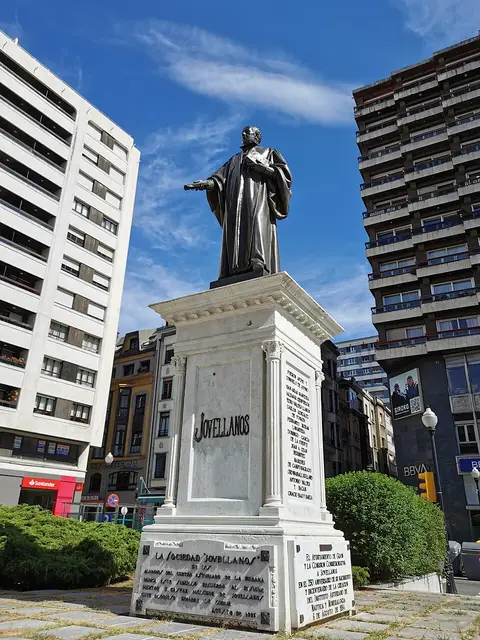
The Romans already made use of the Cimadevilla peninsula; the remains of their baths, the Termas Romanas de Campo Valdés, can be visited beneath the promenade. In the 18th century, the Enlightenment politician Gaspar Melchor de Jovellanos shaped the city, and his birthplace is now a museum. With coal from the Asturian mines, steelworks and the port of El Musel, Gijón became an industrial center. After the decline of heavy industry, the city reinvented itself with culture, tourism and new technologies.
Sights in Gijón
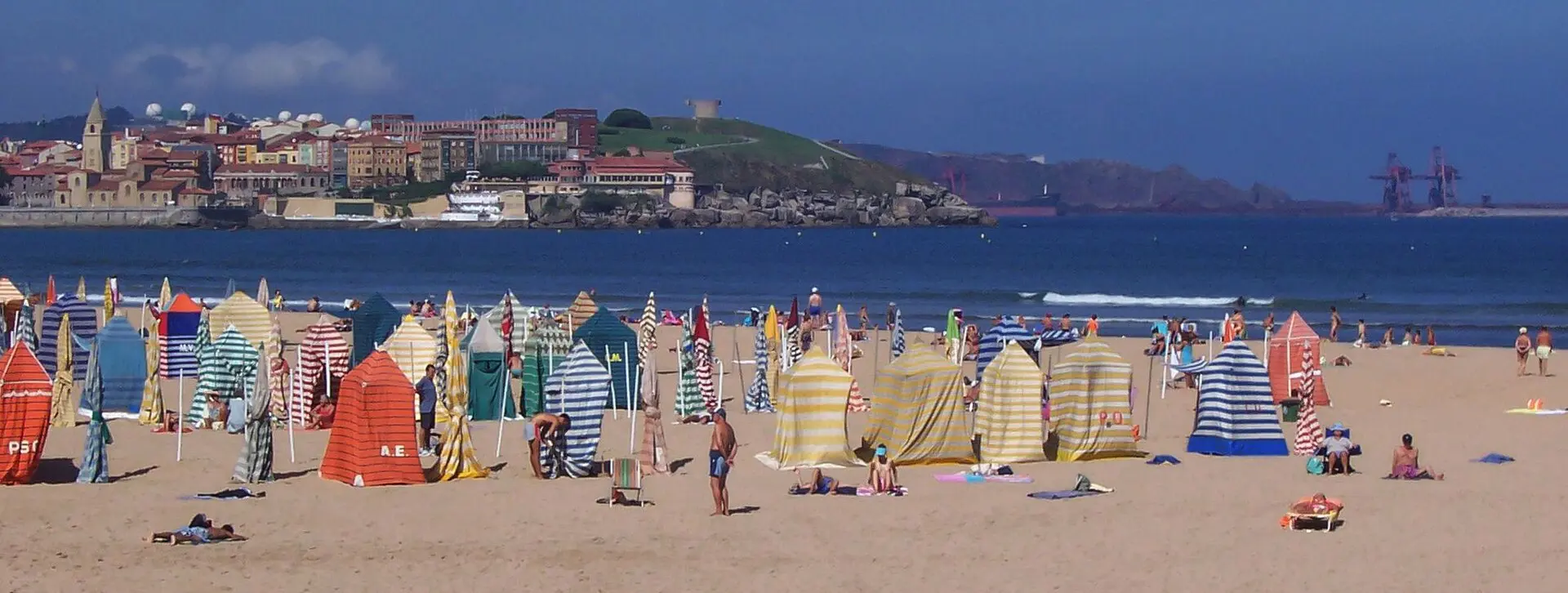
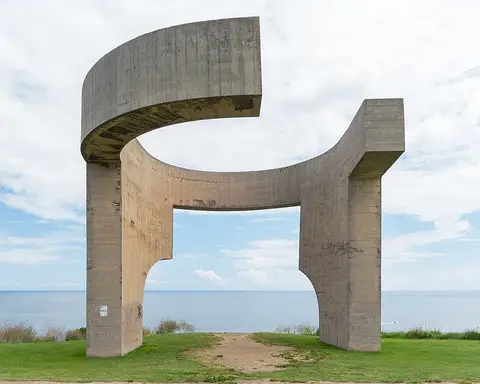
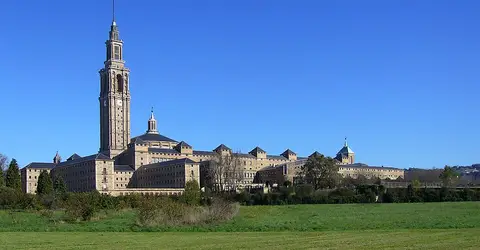
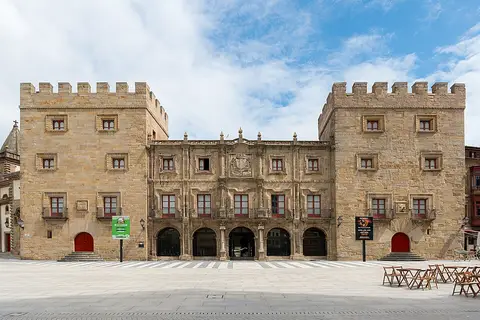
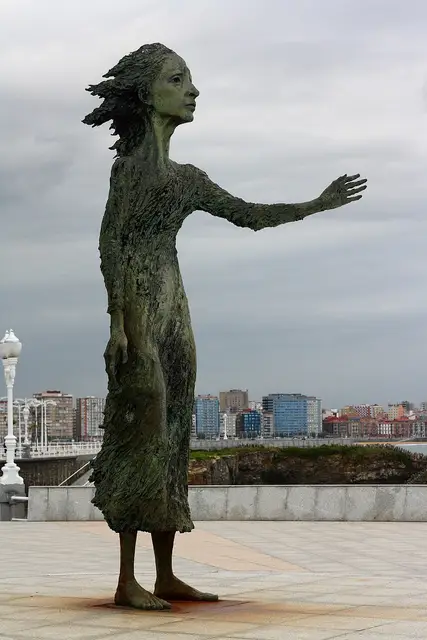
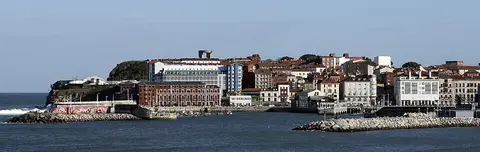
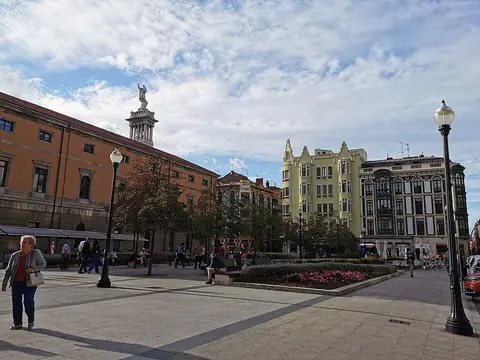
Cimadevilla, the old fishing quarter on the peninsula, is a tangle of small squares and alleys with sidrerías. On the Cerro de Santa Catalina at the tip stands the concrete sculpture "Elogio del Horizonte" by Eduardo Chillida, which has become a symbol of the city – stand beneath it and you'll hear the sound of the sea amplified. The Plaza Mayor with the town hall and the Palacio de Revillagigedo at the marina form the historic center. The Playa de San Lorenzo stretches for about 1.5 kilometers along the city center, with a promenade where the waves crash against the wall at high tide. A little outside town lies the Laboral Ciudad de la Cultura, a monumental building from the 1940s and 1950s that now houses an arts center, a theater and a university, and whose tower offers far-reaching views. The Atlantic Botanical Garden and the Museo del Pueblo de Asturias showcase the region's nature and folk culture.
Sidra and Asturian Cuisine
Sidra is the drink of Asturias, and Gijón is one of its capitals. In the sidrerías, the tart cider is poured in small amounts to aerate it and is drunk right away; the remainder is traditionally poured onto the floor. With it you eat fabada asturiana, a stew of large white beans with chorizo, morcilla and bacon; cachopo, two breaded veal cutlets filled with ham and cheese; and cheeses such as the strong Cabrales. Fresh fish and seafood come in from the port daily. In summer there are fiestas where thousands of people pour sidra at the same time.
Getting Around and Best Time to Visit
Asturias Airport (OVD) is about 40 kilometers to the west, and buses run to Gijón. By train, Oviedo is reachable in about half an hour and Madrid in roughly four to five hours. You can explore the city on foot or by city bus. The best time to visit is summer, when the weather is warmest; still, rain and clouds are possible in any season. Excursions lead to the Picos de Europa, the fishing village of Cudillero and Oviedo with its pre-Romanesque churches.