Romania: The Carpathians, Transylvania and the Danube Delta
Travel guide · editorialRomania is the largest country in Southeastern Europe, and what surprises most is what lies between the cities: Carpathian forests with bears and wolves, fortified churches in Saxon villages, and the Danube Delta with its pelican colonies. A vacation in Romania is a trip best taken slowly.
Transylvania: Brașov, Sibiu and Sighișoara
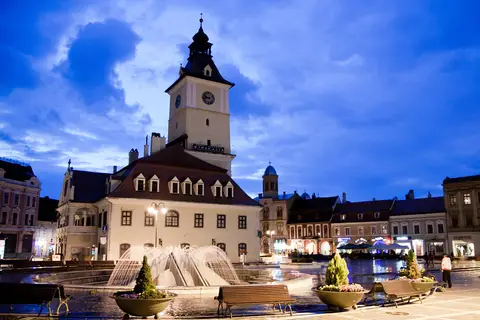
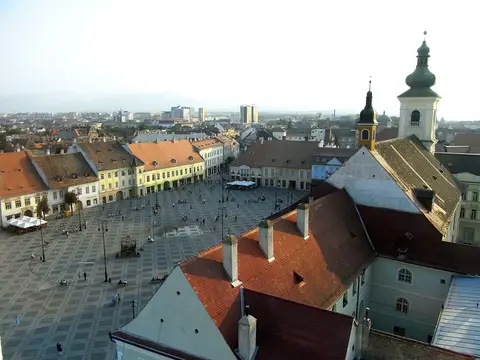
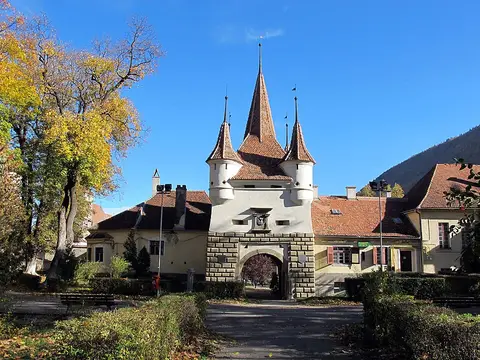
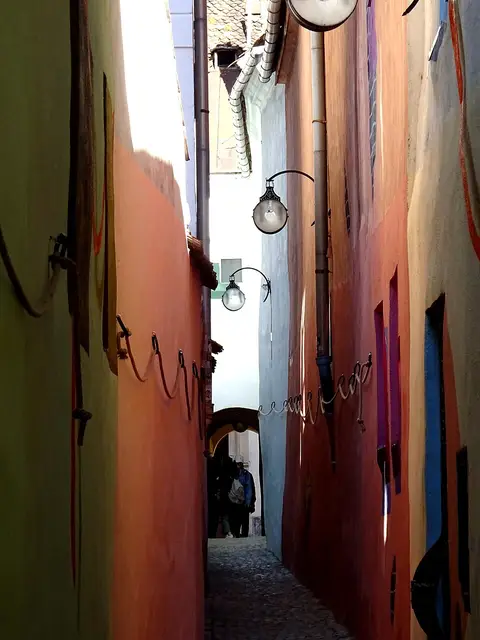
Transylvania, nestled in the arc of the Carpathians, was shaped for centuries by Romanians, Hungarians and Transylvanian Saxons, whose German place names are still in use today. Sibiu, known in German as Hermannstadt, has two broad squares, the Large Square and the Small Square, where dormer windows on the rooftops look down on the lanes like half-closed eyes; locals call them the eyes of the city. Brașov, called Kronstadt in German, lies at the foot of Mount Tâmpa, and its Black Church is the largest Gothic church in Southeastern Europe. Not far away, Bran Castle sits perched on a rock, marketed as Dracula's Castle, although the historical Vlad III almost certainly never lived there. Sighișoara is one of the few medieval citadel towns in Europe that is still inhabited, with its Clock Tower, covered Scholars' Staircase and colorful townhouses. In the villages in between, such as Biertan or Viscri, you'll find fortified churches that together form a UNESCO World Heritage Site.
Bucharest and the Major Cities
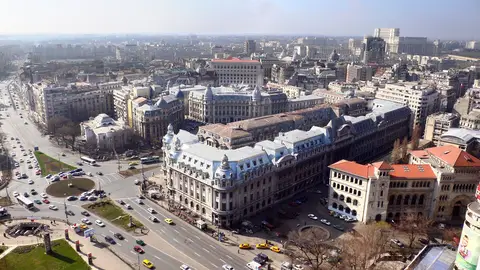
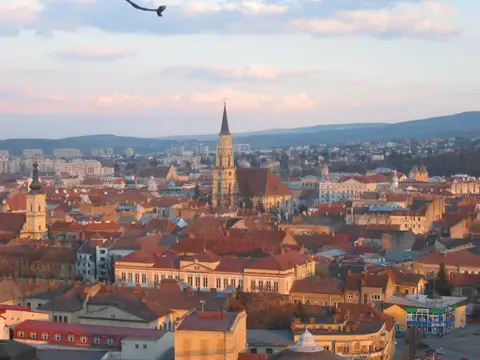
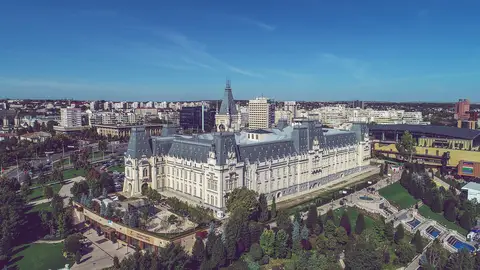
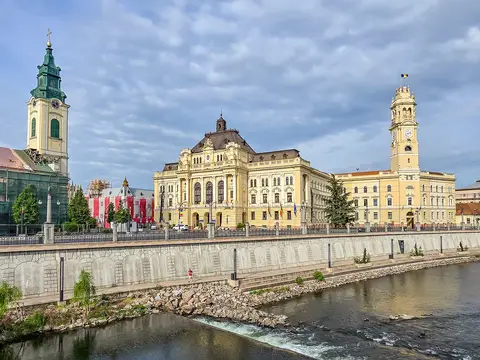
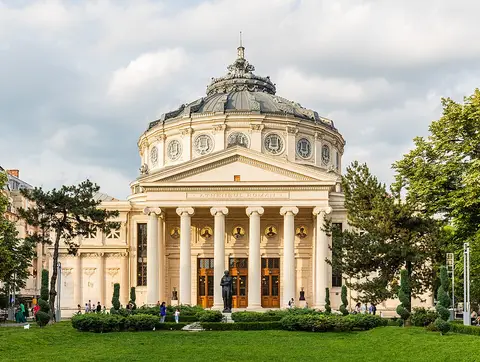
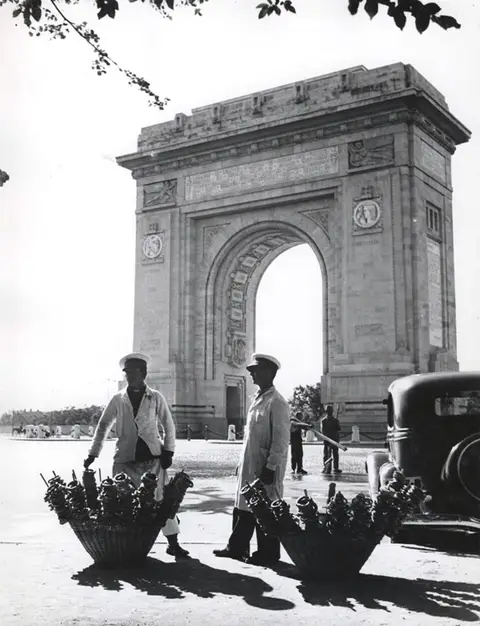
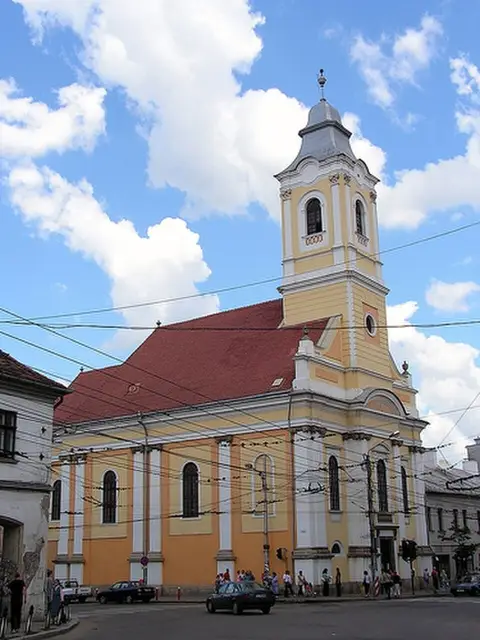
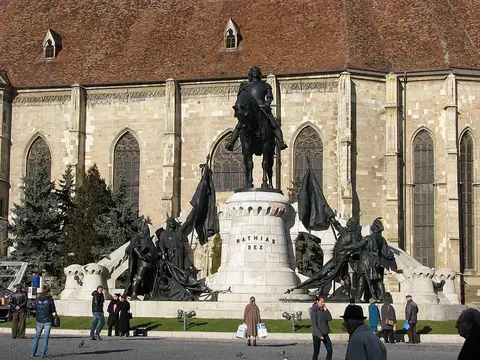
Bucharest can seem rough at first glance, but it rewards those who take their time. The Palace of the Parliament, built under Ceaușescu, is one of the largest administrative buildings in the world, and just a few kilometers away you'll find Art Nouveau villas, the Belle Époque facades of Calea Victoriei, and the Lipscani Old Town with pubs in old merchant courtyards such as Hanul lui Manuc. The Village Museum in Herăstrău Park displays farmhouses from every region. Cluj-Napoca is a youthful university city with a tech scene and the Untold music festival in summer. Timișoara was the starting point of the 1989 revolution, and its squares are framed by Baroque and Secession-style buildings. Oradea, near the Hungarian border, is known for its Art Nouveau architecture, Iași in the northeast for its monasteries, universities and the Palace of Culture. In Craiova in the south, the large Nicolae Romanescu Park is worth a visit.
Sights in Romania: Bucovina and Maramureș
In the northeast lie the Moldavian monasteries of Bucovina, whose exterior walls were covered entirely in frescoes in the 15th and 16th centuries. Voroneț Monastery is famous for a distinctive shade of blue, Sucevița for a Ladder of Divine Ascent with angels and demons. Farther west, in Maramureș, you'll find wooden churches with needle-sharp spires and carved wooden gates in front of the farmsteads. In the Merry Cemetery of Săpânța, brightly painted wooden crosses with rhyming verses tell the stories of the deceased, often with humor. In the village of Breb and in the valleys of the Iza and Mara rivers, you can stay with farming families who set milk, sheep's cheese and bacon on the table in the morning. Here you can still see horse-drawn carts, haystacks and women in traditional dress on their way to Sunday services.
The Carpathians, the Danube Delta and the Black Sea
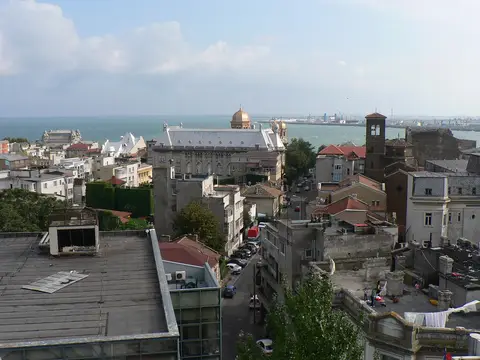
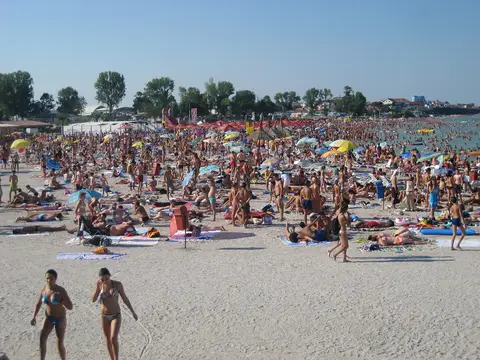
The Carpathians cover roughly a third of the country. The Transfăgărășan Highway crosses the Făgăraș Mountains at over 2,000 meters (6,500 feet) and is usually open only from July to October; the Transalpina reaches slightly higher still. The forests are home to the largest population of brown bears in Europe outside Russia, and guided bear-watching tours are available; if you hike on your own, don't leave any food scraps behind and learn the proper way to behave. The Danube Delta, where the Danube splits into three arms, is one of the largest wetlands in Europe. The starting point is Tulcea, from where boats head into the channels to fields of water lilies, fishing villages and cormorant colonies. On the coast you'll find Constanța, with its ancient mosaics and the Art Nouveau Casino by the sea, as well as seaside resorts such as Mamaia and Costinești, where mostly young Romanians party in summer.
Food and Drink
Romanian cuisine is hearty and shaped by the farm. Sarmale, cabbage rolls with ground meat and rice, are served with mămăligă, a firm cornmeal porridge, sour cream and sometimes a hot pepper. Ciorbă, tangy soups soured with fermented bran or lemon, come in many varieties, and tripe soup, ciorbă de burtă, is a classic. Mici, small grilled ground-meat rolls served with mustard, are part of every celebration. For dessert, you'll be tempted by papanași, cheese doughnuts with sour cream and jam. Țuică and pălincă, plum and fruit brandies, are offered as a welcome, and wine regions such as Dealu Mare, Cotnari and Recaș produce good white wines like Fetească Albă and red wines like Fetească Neagră.
Getting Around and the Best Time to Visit Romania
Since the beginning of 2025, Romania has been fully part of the Schengen Area, and border checks with Hungary and Bulgaria have been eliminated. The rail network is dense but slow, though scenic; long-distance buses and rental cars are often faster. Many destinations in Romania's Transylvania region combine well in a round trip through Sibiu, Sighișoara and Brașov. The best time to visit Romania is May and June as well as September and October, with temperatures of 64 to 79°F and green or autumn-colored forests. In July and August, Bucharest can top 95°F, and the mountains and the coast are more pleasant then. Winters are cold and snowy, and skiing takes place from December to March in Poiana Brașov and Sinaia.