Discover Cluj-Napoca: Students, Churches, and Festivals
Travel guide · editorialYoung people filling the squares, Gothic churches, and a music scene that draws hundreds of thousands every summer: Cluj-Napoca, known in German as Klausenburg, is the unofficial capital of Transylvania. A city break here combines Hungarian-Romanian history, café culture, and excursions into the Carpathians.
History of a City of Three Cultures
The Romans founded the settlement of Napoca here. In the Middle Ages, German settlers, the Transylvanian Saxons, moved in and gave the city its German name; in Hungarian it is called Kolozsvár. For centuries, Cluj was a center of the Hungarian nobility and the Reformation, and in 1443 the future King Matthias Corvinus was born here. After World War I, Transylvania became part of Romania. The Hungarian minority still shapes part of city life today, with its own theaters, churches, and schools. Today, with Babeș-Bolyai University, Cluj is one of the country's largest university cities and a hub of Romania's IT industry.
Sights in Cluj-Napoca
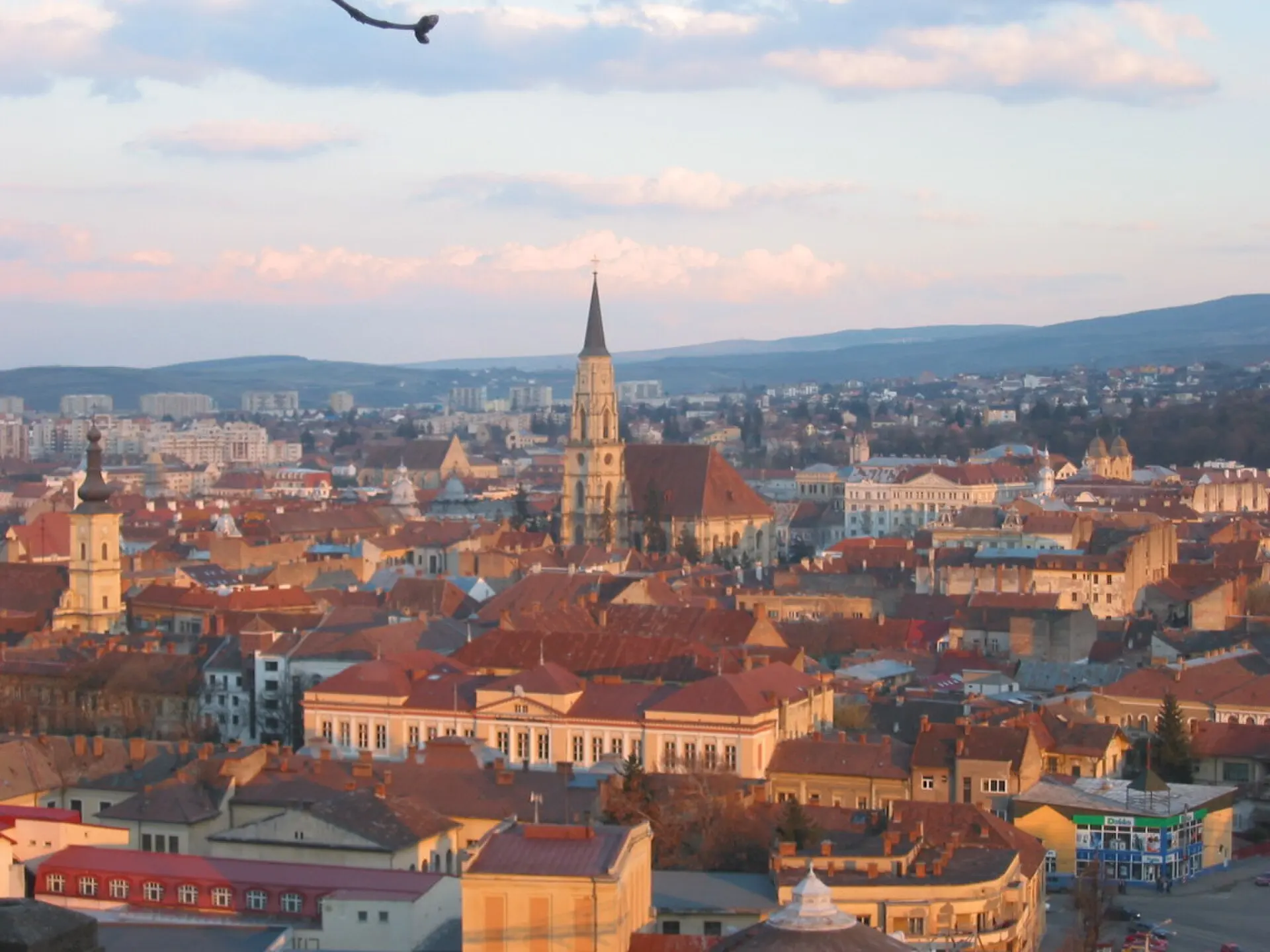
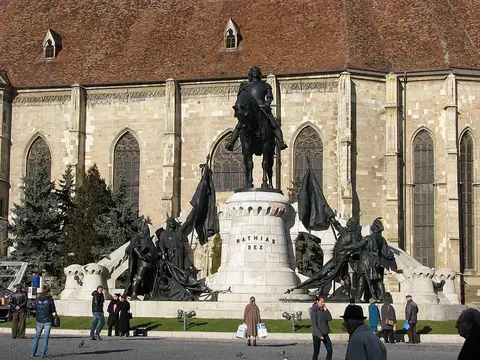
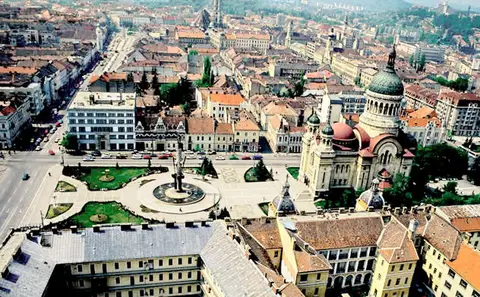
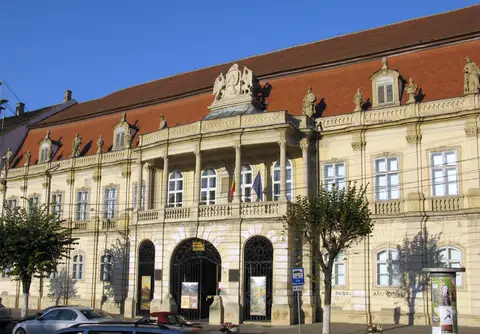
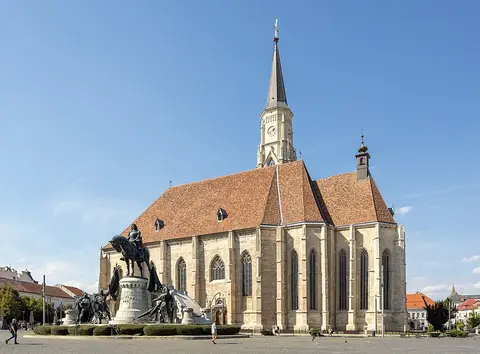
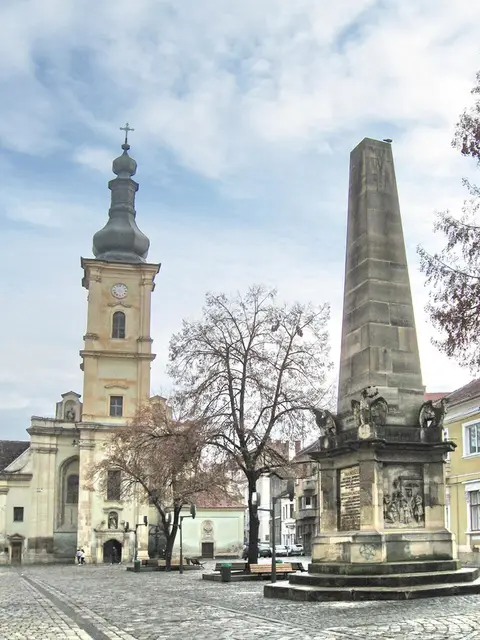
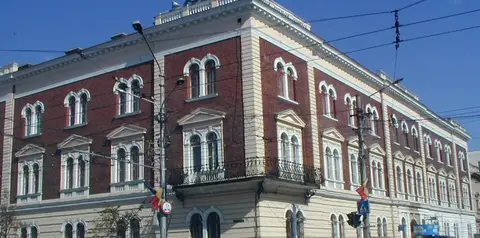
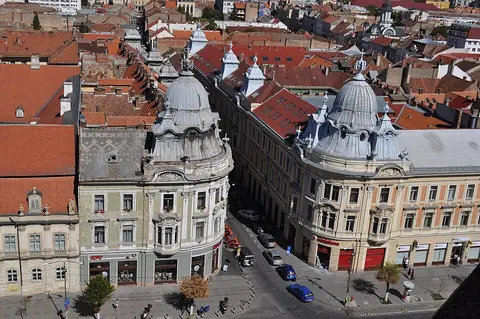
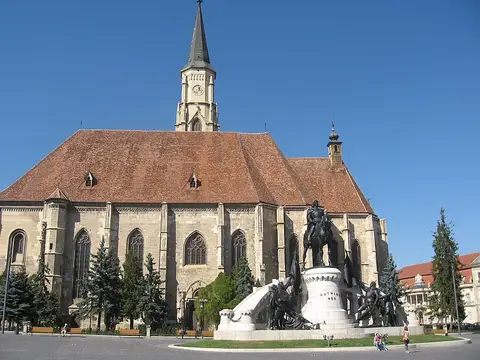
On Piața Unirii, the large main square in the Centru, rises the Gothic St. Michael's Church with its tall neo-Gothic tower, with the equestrian statue of Matthias Corvinus in front. The Bánffy Palace houses the art museum. A few steps away lies Piața Avram Iancu with the Orthodox cathedral and the National Theater, a building by the Viennese architects Fellner and Helmer. A walk up Cetățuia Hill offers a view over the rooftops. The Botanical Garden in the Zorilor district is among the most beautiful in Southeastern Europe, with a Japanese garden and greenhouses. Away from the center, the Ethnographic Open-Air Museum in Hoia Forest is worth a visit, with farmhouses and wooden churches from Transylvania. Strada Matei Corvin leads to the king's birthplace, a Gothic townhouse. Remains of the medieval city wall, including the Tailors' Tower, have also been preserved.
Eating, Going Out, and Festivals
The cuisine is a blend of Romanian and Hungarian influences: Varză à la Cluj, a layered casserole of sauerkraut, ground meat, and sour cream, is the local dish. Add goulash, sarmale, and kürtőskalács, the chimney cake. The cafés and bars in the Old Town are always busy, especially during the semester; many have courtyards and vaulted cellars where live music plays late into the night. The coffee scene, with its small roasteries, is considered one of the best in the country. In summer, Cluj becomes a festival city: Untold, one of the largest electronic music festivals in Europe, takes place every year in early August at the Cluj Arena stadium, and the TIFF film festival shows international cinema in June. Electric Castle takes place in nearby Bonțida, at a castle.
Getting Around, When to Go, and Day Trips
Avram Iancu Airport (CLJ) lies about 9 kilometers (about 5.6 miles) to the east and has direct flights from several German cities. In the city, buses, trolleybuses, and a tram operate; you can explore the Old Town on foot. The best time to visit is between May and September; winters are cold. Day trips lead to the Turda Salt Mine, an underground amusement park with a Ferris wheel and a lake in an old salt mine, to the Cheile Turzii gorge, and to the Apuseni Mountains with caves and villages. The wooden churches of Maramureș, a UNESCO World Heritage Site, can also be reached on a long day trip.