Cluj-Napoca: A University City in the Heart of Transylvania
Travel guide · editorialMany Romanians consider Cluj-Napoca the most livable city in the country, and the county of the same name offers more than just the city itself. If you're planning a trip to Cluj, you'll discover not only student pubs and festivals but also gorges, a spectacular salt mine, and villages where Romanian and Hungarian are both spoken as a matter of course.
A City with Three Names
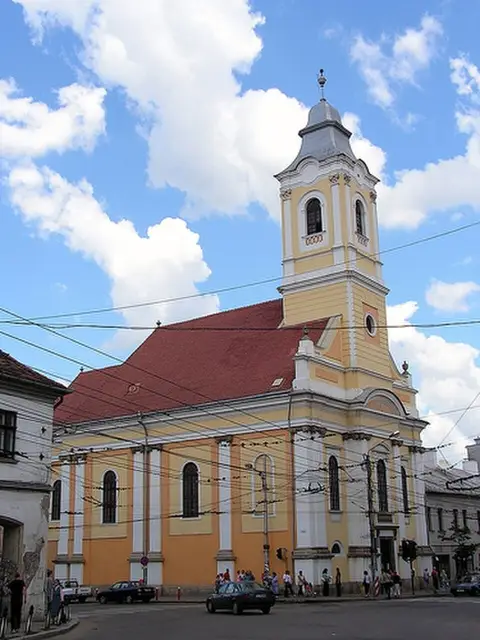
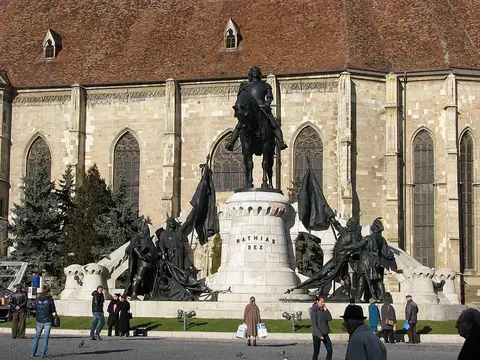
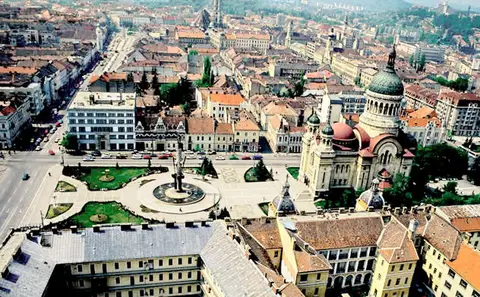
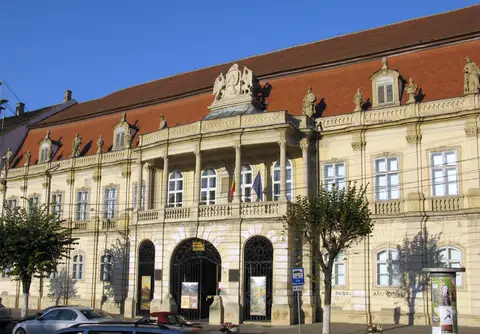
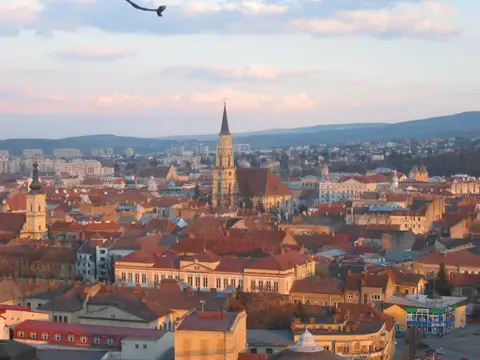
In Romanian it's Cluj-Napoca, in Hungarian Kolozsvár, in German Klausenburg – the names reflect centuries of shared history. In the center, the Gothic St. Michael's Church towers over Unirii Square, with King Matthias Corvinus riding in bronze out front; his birthplace stands just a few streets away. Babeș-Bolyai University is one of the largest in the country, and with thousands of students and a strong IT sector, the city feels young and cosmopolitan. The Botanical Garden, with its Japanese section and greenhouses, is worth half a day, and from Cetățuia Hill you can look out over the rooftops of the Old Town.
Festivals and Cultural Life
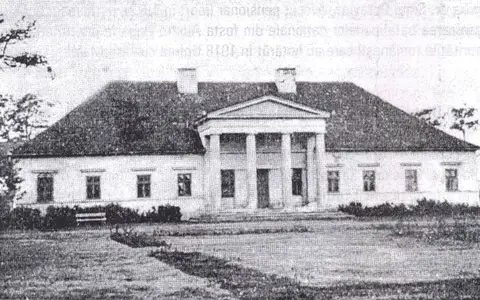
Every August, the Untold Festival turns the city into a giant dance floor with tens of thousands of visitors. In early summer, the Transilvania International Film Festival shows films from around the world, often under the open sky. Electric Castle, meanwhile, takes place in the grounds of the Bánffy Castle in Bonțida, about 19 miles to the north, and has brought renewed attention to the once-dilapidated Baroque complex. Outside the festival weeks the city is quieter, but with theaters, an opera house, and a Hungarian national theater, it's well supplied with culture.
Sights in Cluj and the Surrounding Area
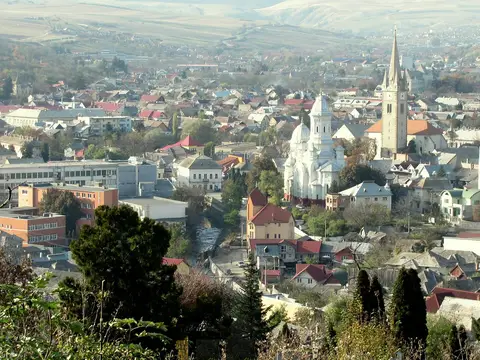
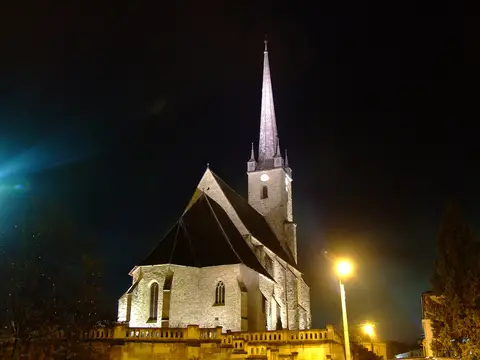
Most day-trippers head for Turda. The Salina Turda salt mine there has been converted into an underground amusement park: a Ferris wheel turns in enormous chambers, and boats glide across a salt lake. Not far away, the Turda Gorge cuts deep into the limestone, a popular destination for hikers and climbers. Dej to the north is an old salt town with a Reformed church. To the west, the Apuseni Mountains rise, with karst plateaus, caves, and farms where hay is still turned by hand. Florești, by contrast, has developed into a fast-growing suburb where many commuters live.
Cluj Destinations for Nature Lovers
If you have more time, head to the western part of the county toward the Apuseni. Near Mărișel, scattered farms dot the mountain meadows, and in summer the air smells of fresh hay. The reservoirs on the Someșul Cald attract canoeists and anglers, and at Beliș-Fântânele Reservoir, the church of a flooded village rises out of the water when levels are low. A detour into the Huedin area leads to villages whose Hungarian residents maintain their Reformed churches with painted coffered ceilings. Back in the city, beer gardens and wine bars around the Old Town invite you to long summer evenings.
Food, Getting There, and Best Time to Visit
The regional specialty is Varză à la Cluj, a casserole of sauerkraut, ground meat, and sour cream. Hungarian influences show up in goulash, lángos, and chimney cake, accompanied by pálinka or wines from the Transylvanian Highlands. Cluj Airport is one of the busiest in Romania and has direct flights from many German cities. By train you can reach Brașov, Oradea, or Bucharest. The best time to visit is between May and September; if you're looking for peace and quiet, avoid Untold week, when hotels fill up quickly and prices soar.