Ilfov: Palaces, Lakes, and Monasteries Around Bucharest
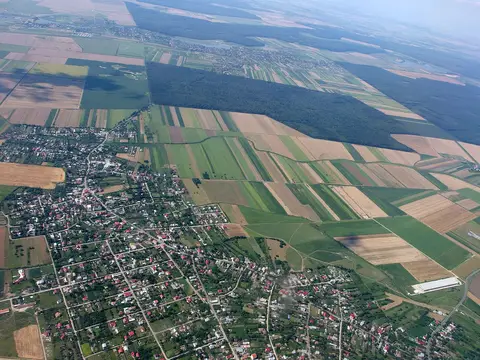
Travel guide · editorialIlfov encircles Bucharest like a ring and is Romania's fastest-growing county. A trip to Ilfov takes you to princely palaces, island monasteries, and lakes that you can reach from the capital in half an hour – and through suburbs where new housing developments replace cornfields.
Between Commuter Belt and Countryside
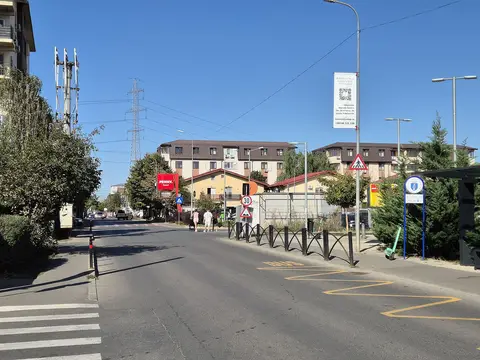
Many towns in the county have grown tightly into Bucharest. Since the turn of the millennium, Voluntari, Popești-Leordeni, Bragadiru, and Chiajna have developed from villages into residential towns with shopping centers, home to commuters who work in the capital. Otopeni is home to the country's main airport, and villa neighborhoods are springing up in Tunari and Corbeanca. But look more closely and you'll also find a tranquil landscape of lakes, oak forests, and river meadows, which Bucharesters use on weekends for barbecues and fishing.
Sights in Ilfov
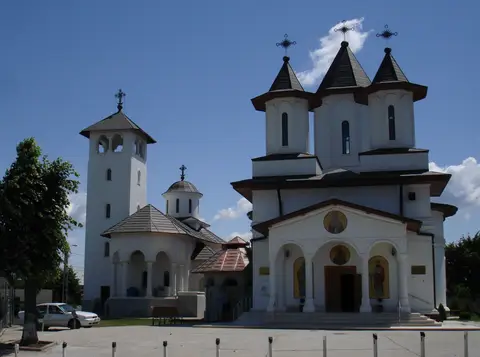
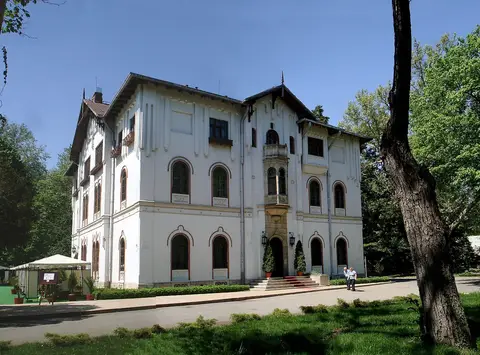
Mogoșoaia Palace, built in 1702 by Prince Constantin Brâncoveanu, is the finest example of the architectural style named after him, with loggias, stone balustrades, and a lakeside park. In summer it hosts concerts and art markets. On Lake Snagov, a monastery stands on a small island where, according to legend, Vlad Țepeș is buried; boats ferry visitors across. In Buftea, the neo-Gothic Știrbey Castle and the large film studios recall a time when Romanian cinema history was made here. The Cernica and Căldărușani monasteries, both set on lakes, have been places of pilgrimage and retreats from the noise of the city for centuries.
Leisure, Food, and Wellness
In Balotești, near Otopeni, the Therme București has grown into one of the largest wellness centers in Europe: palm trees under glass roofs, thermal pools, saunas, and water slides, warm all year round. Around Lake Snagov, restaurants tempt visitors with lakeside terraces and grilled fish, while the villages serve mici, grilled minced-meat rolls, and ciorbă, the sour soup that accompanies almost every meal in Romania. Riding stables and golf courses have settled on the city's edge and are popular with day-trippers.
History Between Princes and Monasteries
The name Ilfov comes from a river, and for centuries the county was mainly the capital's hinterland, supplying grain, vegetables, and timber to Bucharest's markets. Boyar families such as the Brâncoveanu, Cantacuzino, and Știrbey built their country estates here, and some survive along with their parks. In the Communist era, state farms and residences for the party elite were established, for example on Lake Snagov. Today the population is growing strongly as young families move from Bucharest to the countryside, bringing schools, cafés, and new roads with them.
Getting There and Best Time to Visit
Thanks to its proximity to the capital, Ilfov is easy to reach. From Henri Coandă Airport, most destinations are less than an hour away by car, and suburban trains and buses run to Buftea, Snagov, and Otopeni. If you're visiting Bucharest, Mogoșoaia or Snagov make a good half-day trip, and an afternoon is enough for Cernica. The best time to visit is between April and October, when the parks and lakeshores are green. In high summer the lakes are a welcome escape from the city heat, while in winter the thermal complex remains the main attraction.