Discover Bucharest: Belle Époque, a Palace, and Parks
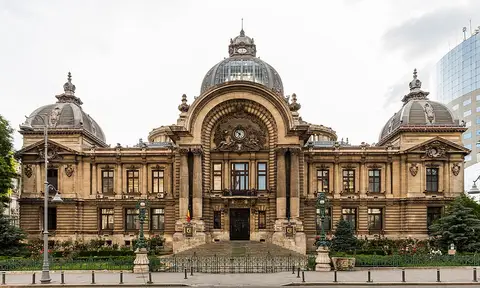
Travel guide · editorialArt Nouveau villas and Orthodox churches stand beside one of the largest administrative buildings in the world, and huge parks with lakes open up between Communist-era apartment blocks: Bucharest is a city of contrasts that you only learn to love on a second look. A city break in the Romanian capital combines history, a lively café and bar scene, and surprisingly low prices.
From the "Paris of the East" to Today's Capital
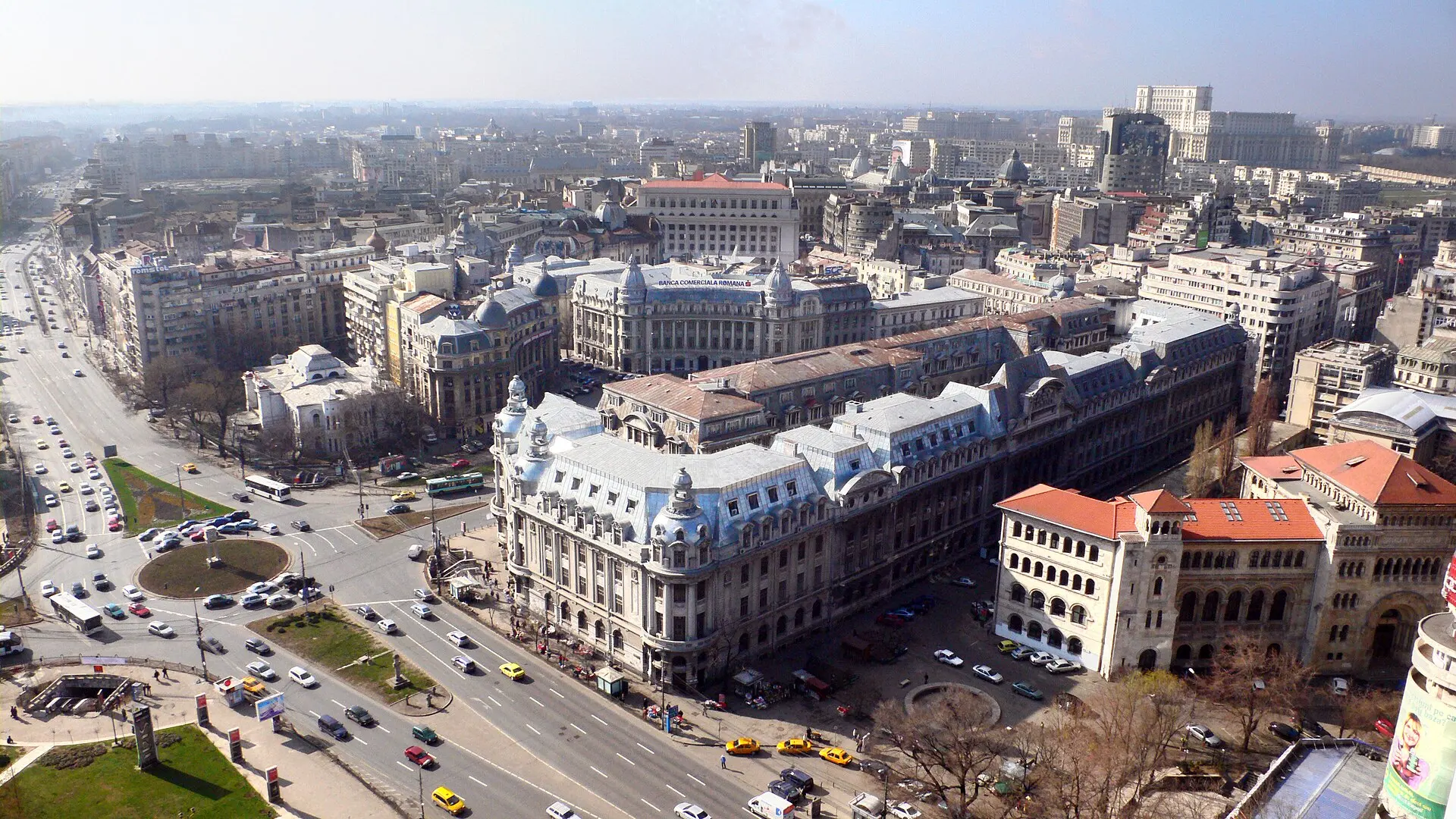
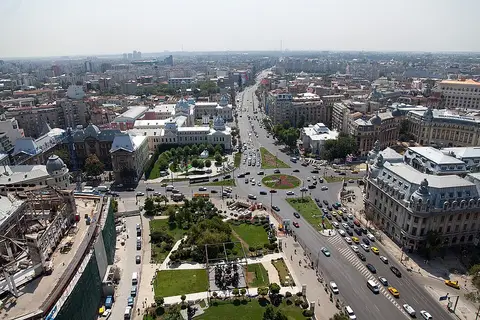
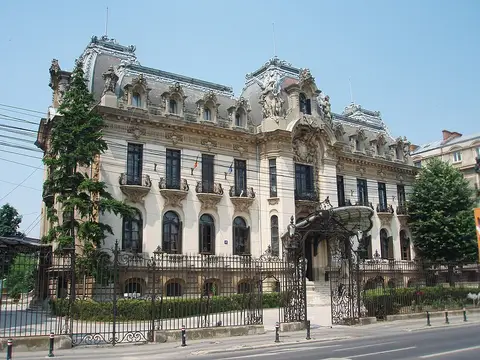
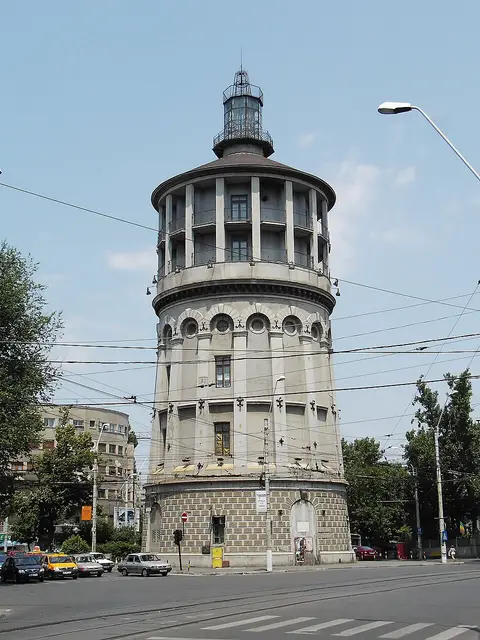
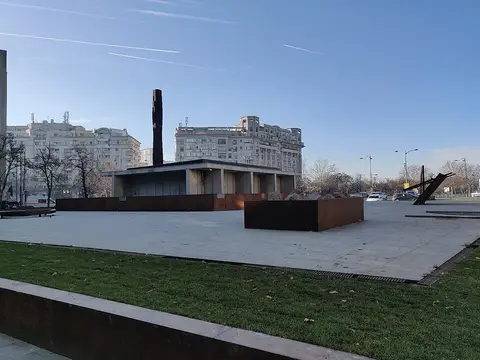
According to legend, the name goes back to a shepherd named Bucur. Bucharest was first documented in 1459 under Vlad III, known as Vlad Țepeș, the historical inspiration for Dracula. From 1862, the city was the capital of united Romania. In the late 19th and early 20th centuries, boulevards, palaces, and villas were built in the French style, earning Bucharest the nickname "Little Paris." Under the Communist dictator Nicolae Ceaușescu, large parts of the old town were demolished in the 1980s to make room for the Centrul Civic. In December 1989, the revolution that toppled the regime began here with protests and fighting. Today, Bucharest is a dynamic EU capital with a strong IT sector.
Sights in Bucharest
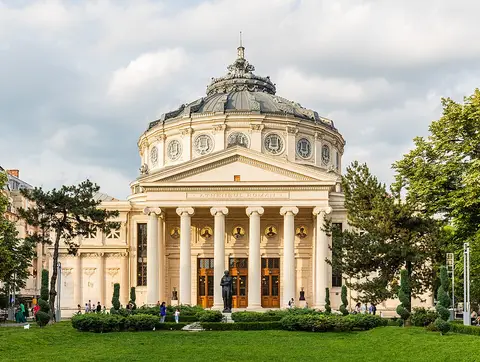
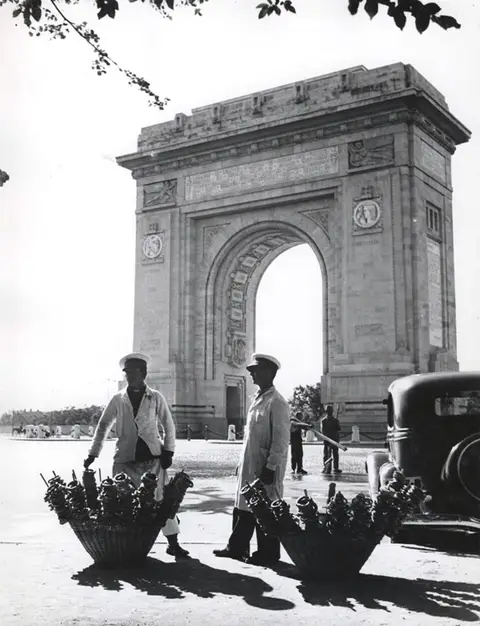
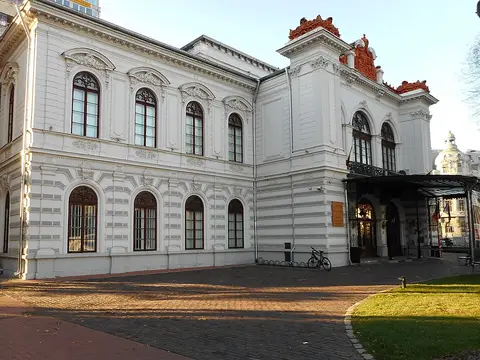
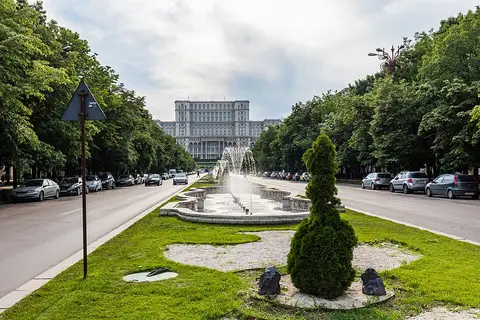
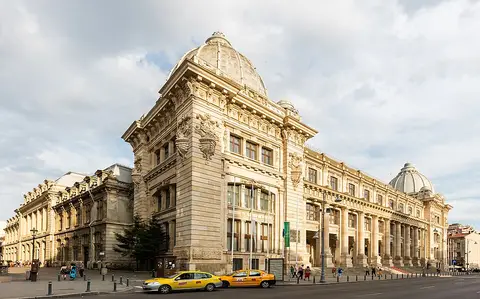
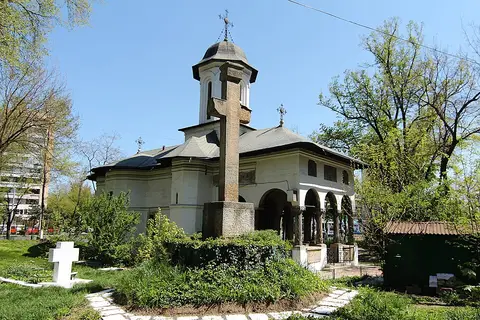
The Palatul Parlamentului (Palace of the Parliament), Ceaușescu's "House of the People," is considered one of the largest buildings in the world; on guided tours you'll see marble halls, crystal chandeliers, and endless corridors. Calea Victoriei, the oldest grand boulevard, leads past the Athenaeum, a magnificent domed concert hall, Revolution Square with the former Central Committee building, and the Royal Palace, which now houses the National Museum of Art. The small Stavropoleos Church, with its courtyard full of stone crosses, is a masterpiece of the Brâncoveanu style. At the northern end of the city stands the Arcul de Triumf, which is reminiscent of the Arc de Triomphe in Paris.
Neighborhoods, Parks, and Museums
The Old Town, Centrul Vechi, around Lipscani Street is a labyrinth of alleys with the ruins of the Curtea Veche princely court, caravanserais such as Hanul lui Manuc, and countless bars. In the north, in Sector 1, you'll find the elegant neighborhoods of Floreasca, Dorobanți, and Primăverii with villas, embassies, and cafés. Herăstrău Park, officially King Michael I Park, surrounds a large lake; on its shore, the Village Museum, the Muzeul Satului, shows farmhouses, wooden churches, and windmills from every region of Romania. Cișmigiu Garden in the center is the oldest park in the city. If you're interested in more recent history, visit Ceaușescu's house in the Primăverii neighborhood.
Eating in Bucharest
Romanian cuisine is hearty and varied. Classics include sarmale, cabbage rolls with ground meat, and mămăligă, cornmeal porridge served with sheep's cheese and sour cream, as well as mici, grilled minced-meat rolls served with mustard and beer. Ciorbă, a sour soup, comes in many varieties, such as ciorbă de burtă made with tripe. For dessert, try papanași, cheese doughnuts with sour cream and jam. The market halls Piața Obor and Piața Amzei offer fruit, vegetables, cheese, and sausages from the countryside. In recent years, a modern restaurant scene has emerged with creative cuisine and wines from Romanian wine regions.
Going Out and Culture
Bucharest has a lively nightlife. In the Old Town, pubs and clubs line the streets, while concerts take place in beer gardens in summer and cafés and bars with terraces open in old villas. The opera house and the Athenaeum with the George Enescu Philharmonic offer classical music, and every two years the Enescu Festival takes place, one of Europe's major classical music festivals. The National Theater on University Square and numerous small stages put on plays. In summer, open-air cinemas, concerts, and food festivals draw thousands to the parks.
Getting Around Bucharest and the Best Time to Visit
Henri Coandă Airport (OTP) is about 17 kilometers north in Otopeni; express buses and a train run to the center and the Gara de Nord railway station. In the city, you can take the metro, trams, buses, and trolleybuses, and you buy tickets with a card or an app. Ride-hailing services are inexpensive. The best time to visit is in spring and fall; in July and August, temperatures can climb above 95°F, and winters are cold and sometimes snowy. Day trips lead to Snagov Monastery on the lake, Mogoșoaia Palace, and on to Transylvania with Sinaia and Brașov, which you can reach by train in about three hours.