Brașov: Burzenland, the Carpathians, and Bran Castle
Travel guide · editorialFew regions of Romania combine medieval towns, fortified churches, and high mountains in such a small area as Brașov County. One reason to vacation in Brașov: you can stroll across a Gothic market square in the morning and stand on a Carpathian summit in the afternoon.
Brașov: The Black Church and Council Square
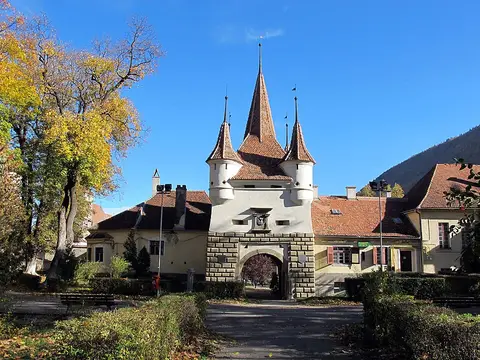
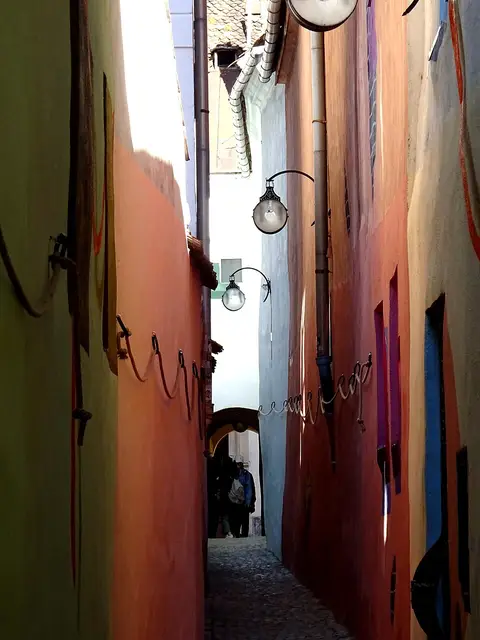
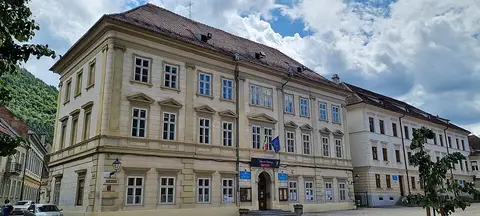
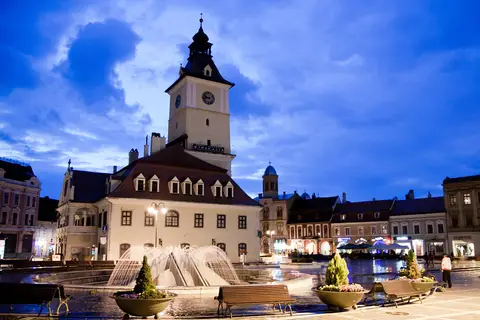
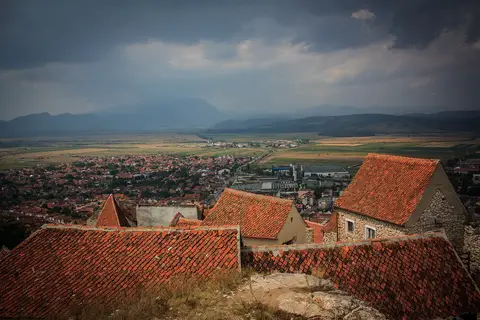
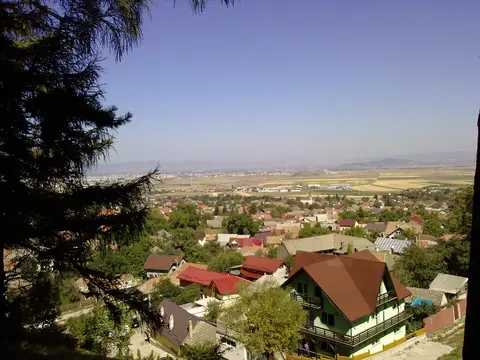
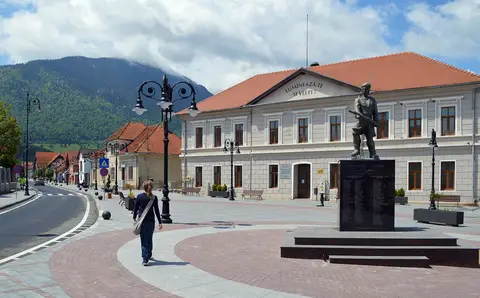
The city of Brașov nestles between forested mountains, with Mount Tâmpa towering above it, topped by the white letters of the city's name. Founded by Transylvanian Saxons, it became one of the most important trading centers between Central Europe and the Balkans. The Black Church, the largest Gothic church in southeastern Europe, owes its name to a city fire in 1689; inside hangs a significant collection of Oriental carpets. Council Square, with its colorful townhouses, is the city's living room. In the Schei district, once reserved for the Romanian population, you'll find St. Nicholas Church and the Museum of the First Romanian School. If you like tight squeezes, look for Rope Street, one of the narrowest streets in Europe.
Bran Castle, Râșnov, and the Fortified Churches
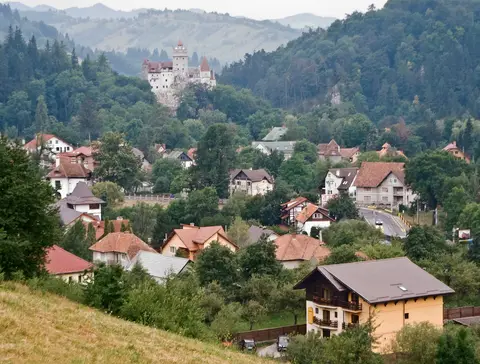
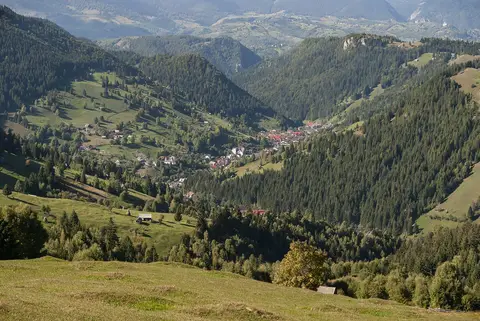
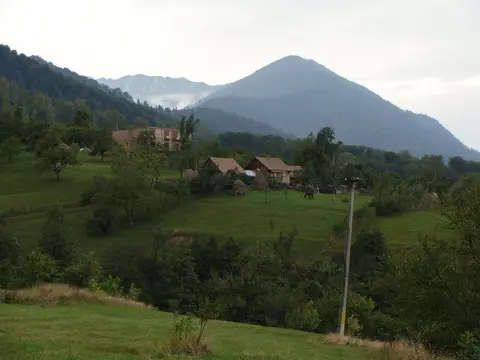
Among the best-known sights in Brașov is Bran Castle in Bran, marketed as "Dracula's Castle," although Vlad Țepeș probably never lived here. More interesting is the story of Queen Marie, who made the castle homey in the interwar period. Around Moieciu de Sus and Predeluț, farm families rent rooms with views of the Piatra Craiului massif. The Râșnov peasant fortress sits on a rock above the town of Râșnov, and the fortified church of Prejmer is a UNESCO World Heritage site. In the north of the county lies Viscri, a Saxon village with a fortified church that became internationally known thanks to the involvement of Britain's King Charles. In the west, the mighty moated fortress of Făgăraș guards the Țara Oltului region at the foot of the Făgăraș Mountains.
Mountains and Winter Sports
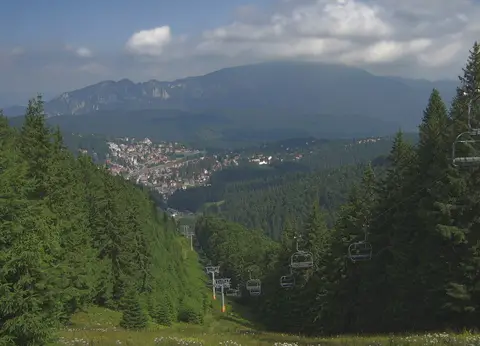
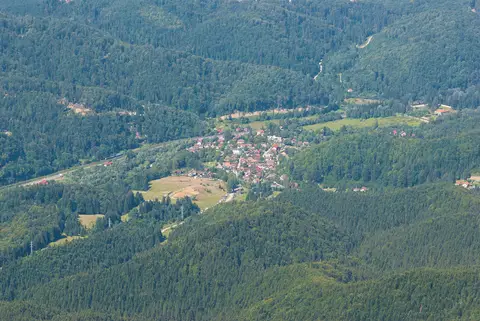
Poiana Brașov is Romania's best-known ski resort, only a quarter of an hour from the old town, with well-groomed slopes and hotels at the edge of the forest. Predeal is considered the highest-lying town in the country and is also a destination for skiers in winter and for hikers in summer, who set off toward the Bucegi Massif. Many brown bears also live in the county; bear-watching tours with experienced guides are popular, and you should never leave trash lying out in the open here.
Brașov Destinations for Culture Lovers
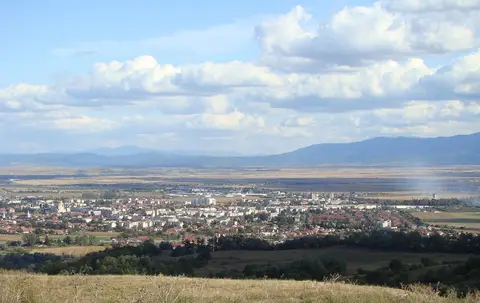
Beyond the famous castles, the cultural scene is worth a look. In summer, concerts and the long-established "Cerbul de Aur" music festival take place on Council Square, and in spring the Junii parade of Schei residents in historical costumes winds through the city. The Ethnographic Museum and the History Museum in the old town hall tell you a lot about guilds, trade, and the coexistence of Romanians, Saxons, and Hungarians. Săcele, a small town on the edge of the city, was once the center of the shepherds of Burzenland, who drove their flocks all the way to the Danube.
Food, Getting There, and Best Time to Visit
Typical of the region are brânză de burduf, a strong sheep's cheese cured in spruce bark or sheep's stomach, and bulz, polenta balls with a cheese filling. At markets, the air smells of chimney cake, the yeast pastry baked over charcoal. Saxon recipes such as Hanklich, a flat yeast cake, have also survived. Since 2023, Brașov has had its own airport in Ghimbav; otherwise, the train brings travelers from Bucharest to Burzenland in about three hours. The best time to visit for hiking and fortified churches is June through September, and for skiers December through March. In fall, the beech forests turn red and gold, and the scenic roads get quieter.