Suceava: The Painted Monasteries of Southern Bukovina
Travel guide · editorialIn northeastern Romania, where the Carpathians give way to gentle hills, you'll find monasteries whose exterior walls are covered from top to bottom with frescoes. If you're planning a vacation in Suceava, you'll be traveling to Southern Bukovina, a landscape of forests, hay meadows, and wooden houses with a long, multilingual history.
The Moldavian Monasteries
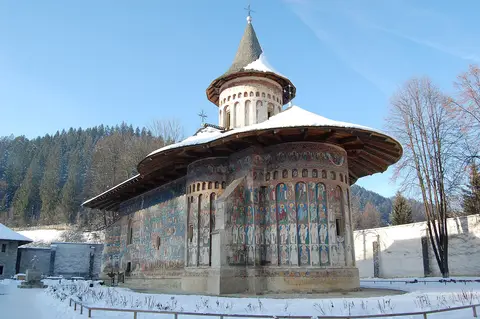
In the 15th and 16th centuries, Prince Stephen the Great and his successors had numerous churches built, and their exterior walls were later painted with biblical scenes—a picture Bible for worshippers who couldn't read. The most famous is Voroneț, dating from 1488, whose vivid blue went down in art history as "Voroneț blue"; a monumental Last Judgment spreads across the west wall. Humor near Gura Humorului, Moldovița with its Siege of Constantinople, and Sucevița with its "Ladder of Virtue" are also among the sights in Suceava that have been protected as a UNESCO World Heritage Site since 1993. Nuns and monks still live in the monasteries today; modest dress is a given.
Suceava and the Towns of Bukovina
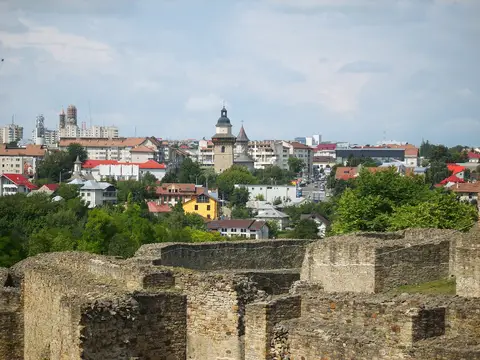
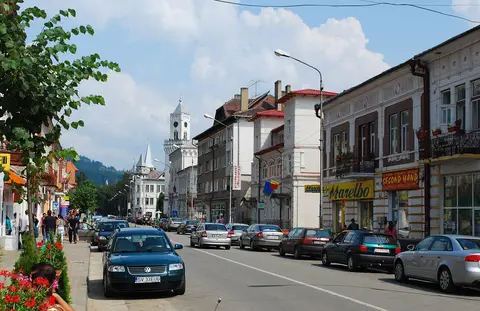
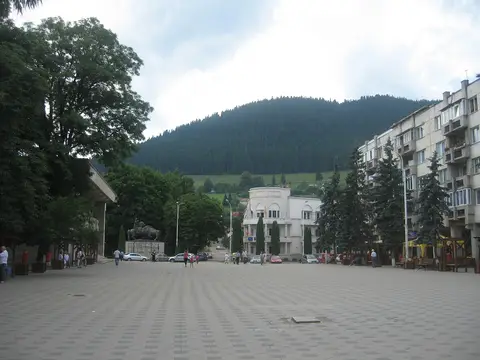
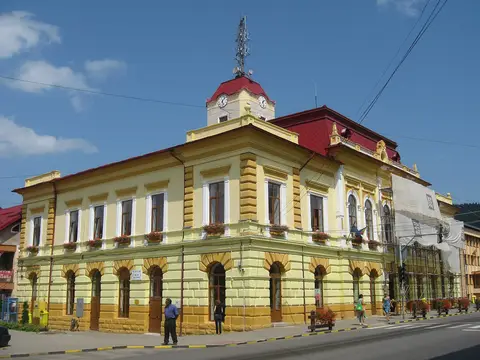
In the Middle Ages, the county capital was the residence of the princes of Moldavia. The ruins of the Citadel of Suceava on a hill above the city and the Monastery of St. John the New recall that era, and an open-air museum showcases farmhouses of the region. From 1775 to 1918, Bukovina belonged to Austria, which you can still see in the train stations, schools, and town halls of Rădăuți, Fălticeni, and Câmpulung Moldovenesc. In Câmpulung, the wooden spoon museum is worth a visit, and near Rădăuți you'll find the pottery village of Marginea with its black ceramics. To the south lies Vatra Dornei, a spa town with mineral springs, a park casino, and a ski slope.
Traditions and Cuisine
Bukovina is known for its intricately painted Easter eggs, which are sold in several villages even outside the Easter season. Around Christmas and New Year, groups in masks, bearskins, and goat costumes parade through the villages. On the table you'll find ciorbă rădăuțeană, a tangy chicken soup with garlic and cream, mushroom dishes from the mountain forests, polenta with sheep's cheese, and blueberry cake. Many guesthouses cook with ingredients from their own gardens.
Nature and Hiking in Bukovina
The forests of Bukovina are among the most extensive in Romania. Around Vatra Dornei, trails lead into the Călimani Mountains, an extinct volcanic massif with bizarre rock formations, and into the Rarău Massif near Câmpulung, where the rock spires of Pietrele Doamnei rise above the forest. Rafting boats run the rapids of the Bistrița Aurie. Many farmers offer lodging with half board, and in Ciocănești the house facades are decorated with patterns of painted Easter eggs. If you're traveling by rental car, you can drive over the Ciumârna Pass from Sucevița to Moldovița and enjoy sweeping views over the hills.
Getting There and Best Time to Visit
Suceava Airport is served by budget airlines, including from Germany, and trains also connect the city with Bucharest, Iași, and Cluj-Napoca. A rental car is recommended for the monasteries, since they lie in different valleys; Gura Humorului makes a good base. The best time to visit is May through October, when the mountain roads are open and the hay harvest shapes the look of the landscape. Easter is especially impressive, but also well attended.