Satu Mare: Borderland Between the Someș and the Oaș
Travel guide · editorialA trip to Satu Mare takes you to the far northwest of Romania, where Romanians, Hungarians, and the descendants of the Satu Mare Swabians have lived side by side for centuries. Satu Mare County combines an elegant Art Nouveau city on the Someș with the unspoiled highlands of Țara Oașului.
Location and Landscape
The county borders Hungary to the west and Ukraine to the north. Most of it is flat, fertile plain, crossed by the Someș, which flows sluggishly here toward the Tisza. Only in the northeast do the volcanic hills of the Oaș Land and the foothills of the Gutâi Mountains rise up. This is where Negrești-Oaș lies, the center of an area known for its vivid folk costumes, loud weddings, and potent horincă. In the south, the thermal baths of Tășnad are a popular destination for locals, who soak in the warm, salty water.
Satu Mare and Carei
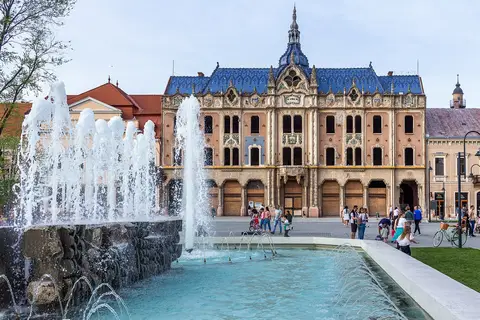
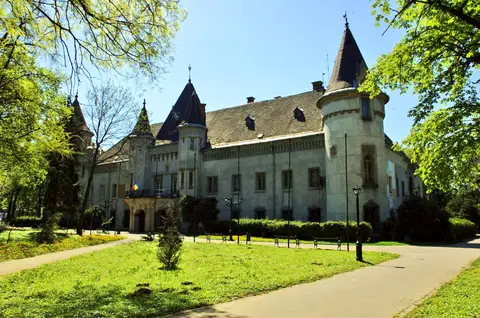
The county seat, Satu Mare, shows its most beautiful side around Liberty Square. The Hotel Dacia, a colorful Secessionist building with majolica ornaments, now houses parts of the county museum; next to it stand the neoclassical Roman Catholic cathedral and the Fire Tower, from which you can look out over the rooftops. About 35 kilometers southwest lies Carei, with the castle of the Károlyi counts, a neo-Gothic remodel with a park and a moat. In the 18th century, the count's family brought Swabian settlers to the area, and their villages, such as Petrești, still bear German traces to this day; a small museum there commemorates the Satu Mare Swabians.
Cuisine, Getting There, and Best Time to Visit
At the table, the influences blend: Hungarian goulash and paprikash, Romanian sarmale, Swabian flour-based dishes, and plum brandy from the Oaș to go with them. The best time to visit is late spring and early fall; in winter, the Christmas customs in the villages are well worth experiencing. Satu Mare has a small airport with domestic connections to Bucharest, but the proximity to the Hungarian border matters more: via the Petea crossing, you can reach Debrecen in about an hour and a half. The Maramureș region, with its wooden churches and the Merry Cemetery of Săpânța, is not far away either.