Discover France: Regions, Cities, and Food
Travel guide · editorialA vacation in France can start in the morning with a croissant at a Parisian counter and end in the evening with fish soup in a Mediterranean harbor. Hardly any country in Europe packs high mountains, an Atlantic coastline, wine regions, and cities that have set the standard for centuries into such a compact area. Combine France's destinations to suit your tastes and the season, and you'll find a different country every time.
Landscapes Between the Atlantic, the Alps, and the Mediterranean
In the northwest, the sea sets the rhythm. Brittany, with its pink granite cliffs along the Côte de Granit Rose, its lighthouses, and fishing harbors like Concarneau, sometimes feels more Celtic than French. Right next door lies Normandy, with the chalk cliffs of Étretat, the D-Day landing beaches of 1944, and Mont-Saint-Michel, which becomes an island at high tide. Farther south, the Atlantic coast runs past long sandy beaches and the Dune du Pilat, the highest shifting dune in Europe, all the way to the Basque Country with Biarritz and its surf spots.
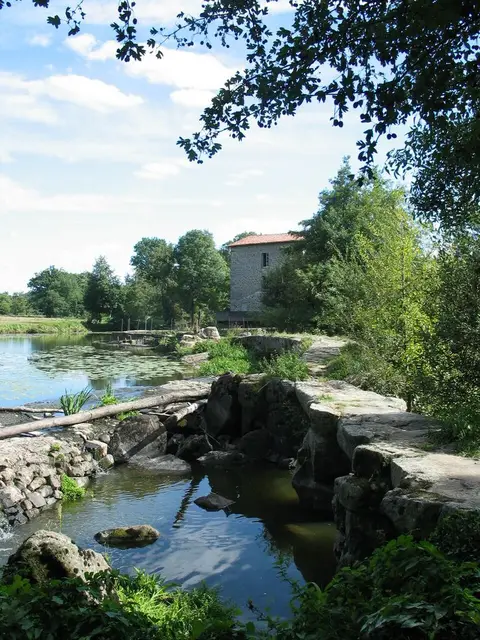
The interior is quieter. In the Loire Valley, châteaux such as Chambord and Chenonceau line a river that still flows largely untamed around sandbars. The Massif Central, with its extinct volcanoes in the Auvergne, is one of the most sparsely populated areas in Western Europe. In the east, the Alps climb to Mont Blanc at 4,805 meters (15,764 feet); around Chamonix, people hike in summer and ski in winter. Finally, in the far south you'll find the lavender fields of Provence, the gorges of the Verdon, and the rocky inlets of the Calanques near Marseille, plus Corsica with its mountain villages, maquis scrubland, and the long-distance GR 20 trail.
Paris and the Big Cities
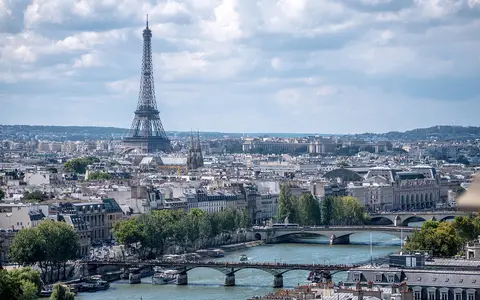
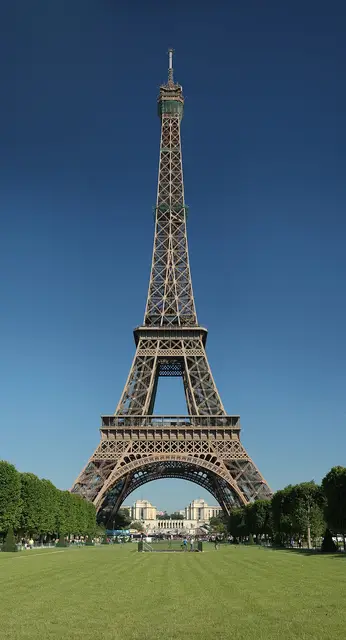
For many, Paris is the start of any trip to France, and the city lives up to its reputation. Beyond the well-known sights in the French capital, such as the Louvre, the Eiffel Tower, Montmartre, and Notre-Dame, restored after the fire and reopened in 2024, it's worth exploring the neighborhoods: the Marais with its city mansions and falafel stands, the Canal Saint-Martin, the markets of Belleville. An evening in a bistro with steak frites and a carafe of house wine is part of the experience.
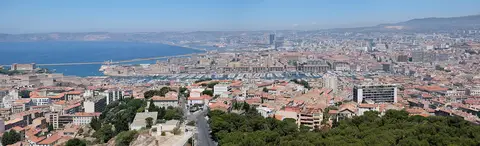
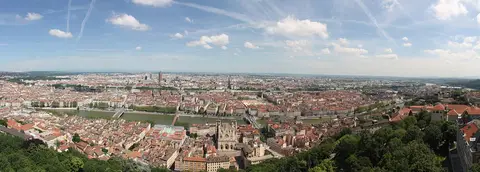
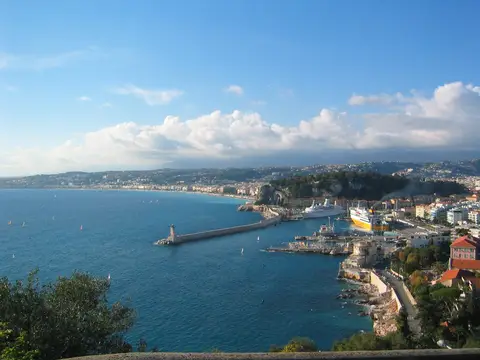
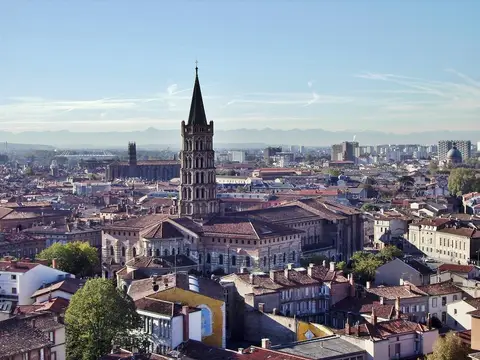
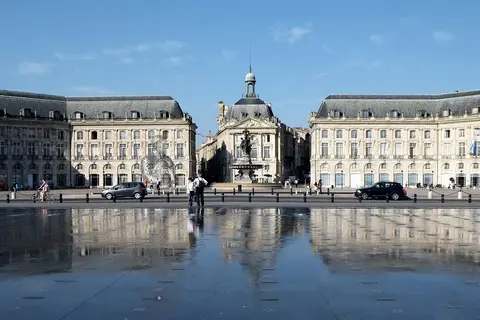
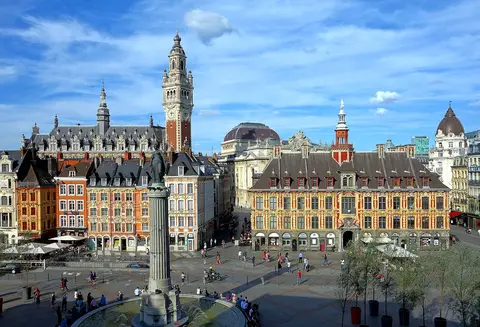
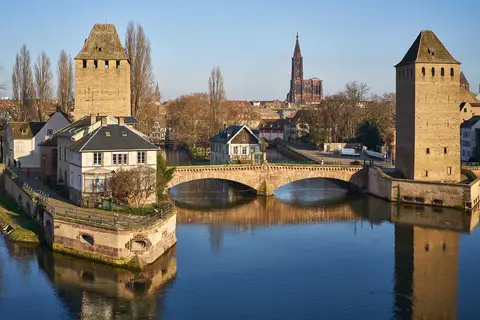
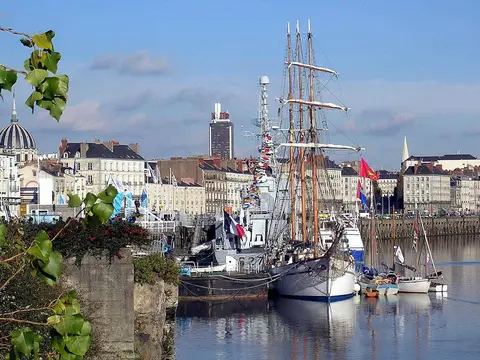
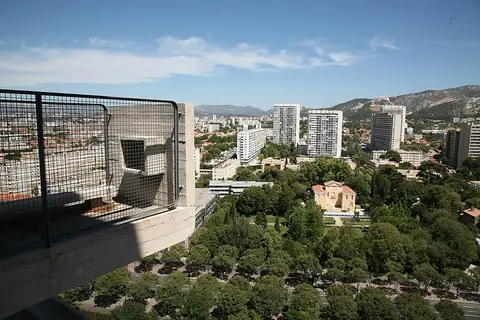
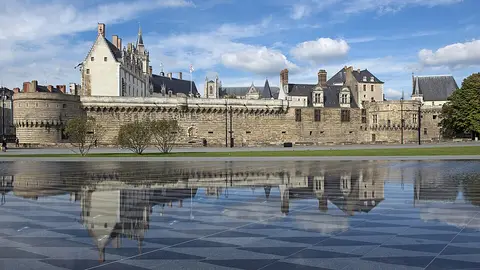
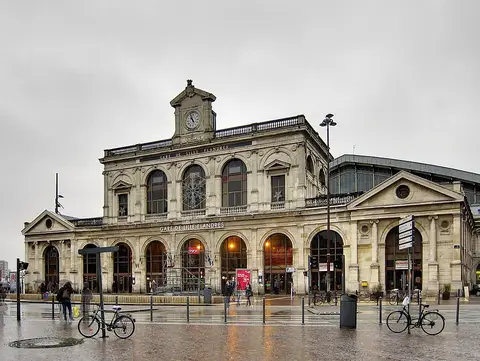
Lyon is considered the unofficial capital of French cuisine, with passageways in the old town called traboules and hearty bouchons serving andouillette and quenelles. Marseille, the country's oldest city, is gritty, multicultural, and built right on the water, from the Old Port to the Le Panier district. Nice combines the Promenade des Anglais with a lively old town and the flower market on the Cours Saleya. Bordeaux has turned its quays along the Garonne into a long promenade, and Toulouse glows in pink brick and is home to Europe's aerospace industry. Strasbourg with its cathedral and the half-timbered houses of Petite France, Flemish-influenced Lille, student-filled Montpellier, and Nantes with its giant mechanical animals on the Île de Nantes show just how different France's cities are.
Culture and History
In many places, history can be read in the buildings. In southern France, you'll find Roman monuments such as the Pont du Gard and the arenas of Nîmes and Arles. Romanesque abbeys and Gothic cathedrals such as Chartres, Reims, and Amiens shape the north. Versailles shows how absolutist power was staged, while the Revolution of 1789 still echoes in the national identity today, for example on July 14 with fireworks and dances in the fire stations. With around 54 World Heritage sites, France is among the countries with the most UNESCO listings. These also include the cave paintings in the Vézère Valley, whose replicas can be seen at Lascaux, and the stone alignments of Carnac in Brittany.
In everyday life, culture shows up in small rituals: market day on the village square, a game of pétanque under plane trees, the apéro in the early evening. Regional identities are strong. In Alsace, the dialect sounds Alemannic, in Brittany there are bilingual place signs, and in the Basque Country people play pelota.
Eating and Drinking in France
French cuisine is less about star chefs than about products with a sense of origin. Normandy means Camembert, cider, and Calvados; Brittany means crêpes and buckwheat galettes; Burgundy means bœuf bourguignon and snails in herb butter. In Marseille, bouillabaisse is on the stove; in the southwest, cassoulet with white beans and duck confit; in Alsace, tarte flambée and choucroute. There are said to be over 1,000 varieties of cheese, from Comté from the Jura to Roquefort from the caves of Combalou.
Wine is grown almost everywhere. Bordeaux and Burgundy are the most famous regions, but the Rhône, the Loire, and Languedoc also have a lot to offer, as does Champagne around Reims and Épernay. At lunchtime, many restaurants offer a formule with a starter, main course, and dessert at a fixed price, often the cheapest way to eat well.
Getting Around France
Getting there from Germany is easy. Direct high-speed trains connect Frankfurt, Stuttgart, and Munich with Paris and Strasbourg, and on the TGV network you can reach Marseille from Paris in just over three hours and Bordeaux in about two. The main airports are Paris-Charles de Gaulle and Orly, Nice, Lyon, Marseille, and Toulouse. For rural regions such as Provence, the Dordogne, or Brittany, a car is practical. Highways are mostly toll roads, while country roads are well maintained and often the more scenic choice. In summer, the holiday routes heading south are heavily congested on weekends in July and August.
Best Time to Visit France
The best time to visit France depends on the region. For city trips to Paris, Lyon, or Bordeaux, May, June, and September are ideal, with daytime temperatures around 64 to 77°F. On the Côte d'Azur and in Corsica, swimming season runs from June to September; the sea reaches around 75°F in August, but the beaches are crowded then because half of France is on vacation. The lavender in Provence blooms from around late June to late July. The autumn grape harvest bathes Burgundy and Bordeaux in golden light, and the Alps are a classic ski destination from December to April. If you're looking for peace and quiet, travel in the off-season, when even the most popular sights in France can be visited without long lines.