Discover Cannes: The Croisette, Le Suquet, and the Lérins Islands
Travel guide · editorialOnce a year, the film world turns its eyes to Cannes as stars walk the red carpet at the Palais des Festivals. But outside the festival weeks, this Côte d'Azur city is pleasantly relaxed: a fishing harbor, an old town on a hill, and islands with monasteries just off the coast. A vacation in Cannes is glamour with Provençal down-to-earthness.
From Fishing Village to Film Mecca
Until the 19th century, Cannes was an unassuming fishing village. In 1834, the British Lord Chancellor Henry Brougham was forced to stop here because of a cholera quarantine in Nice, fell in love with the place, and built a villa – the British aristocracy soon followed. The Croisette was laid out, and luxury hotels such as the Carlton were built. The first film festival took place in 1946; today the Palme d'Or is considered one of the most important awards in the film world.
Sights in Cannes
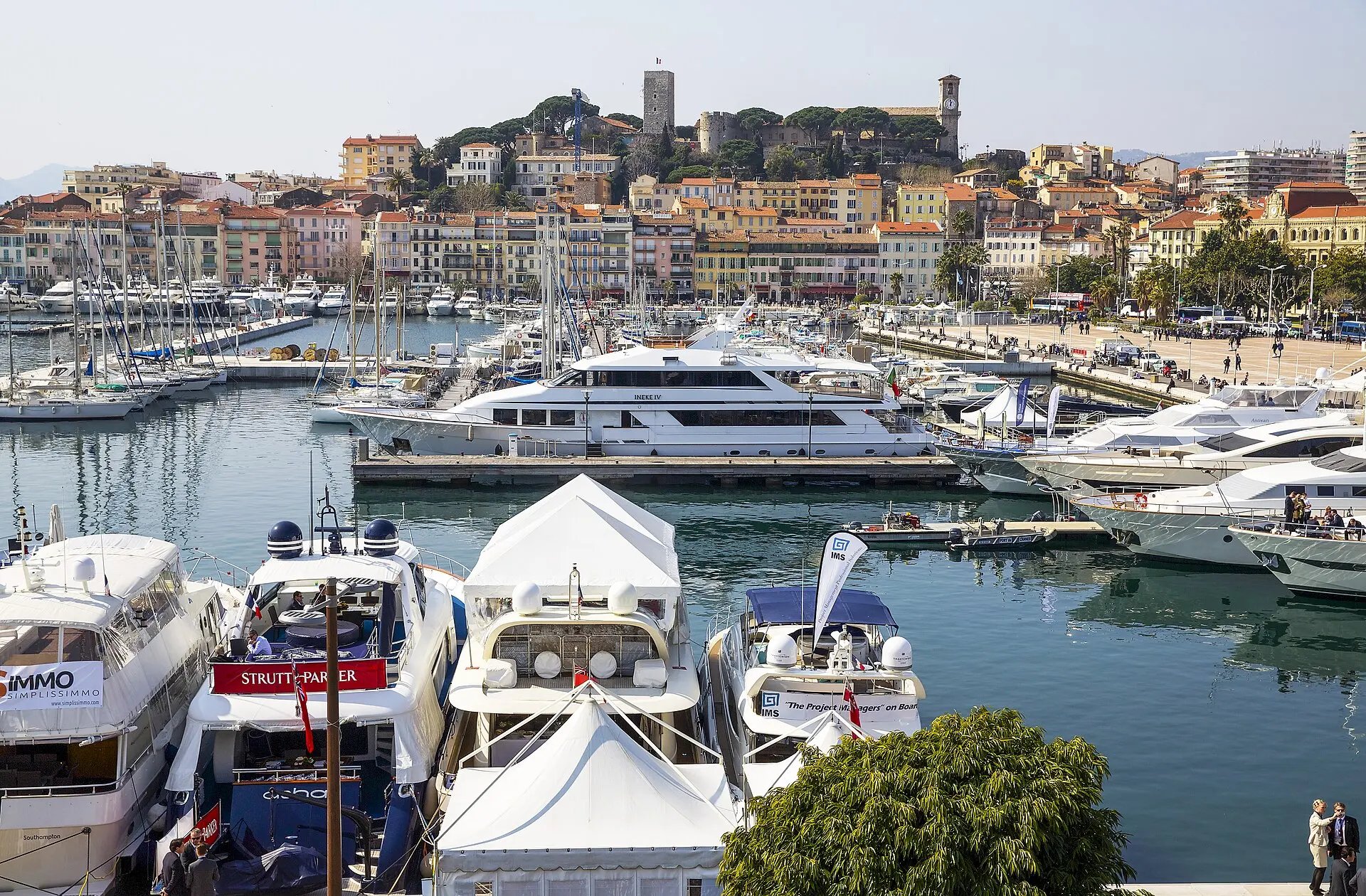
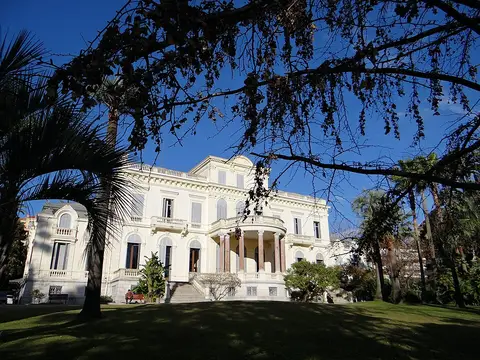
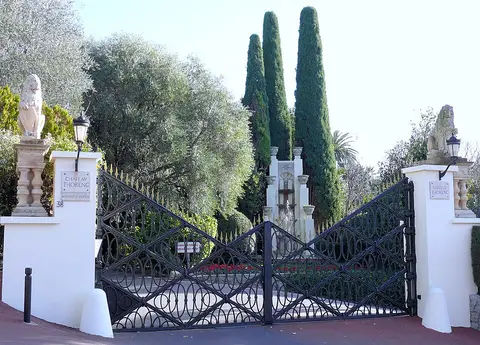
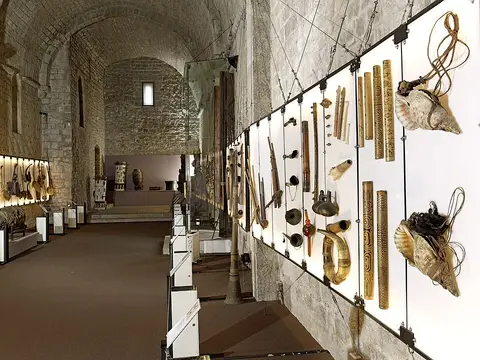
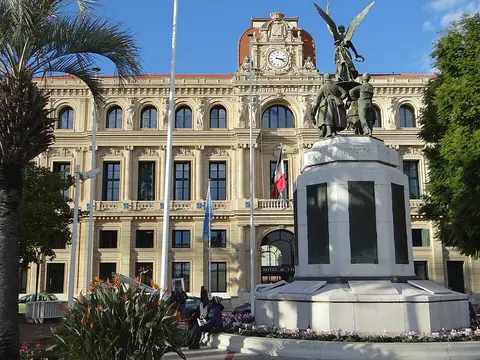
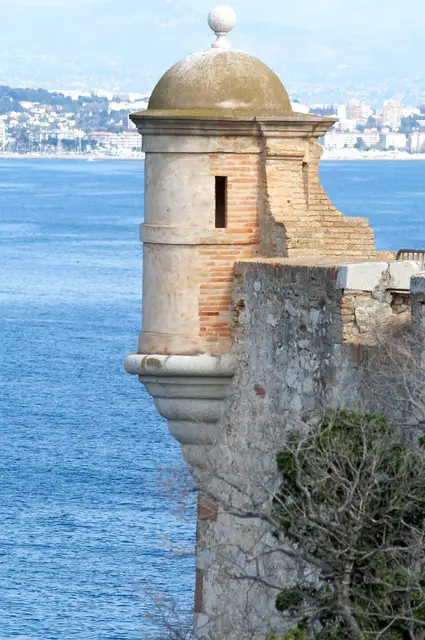
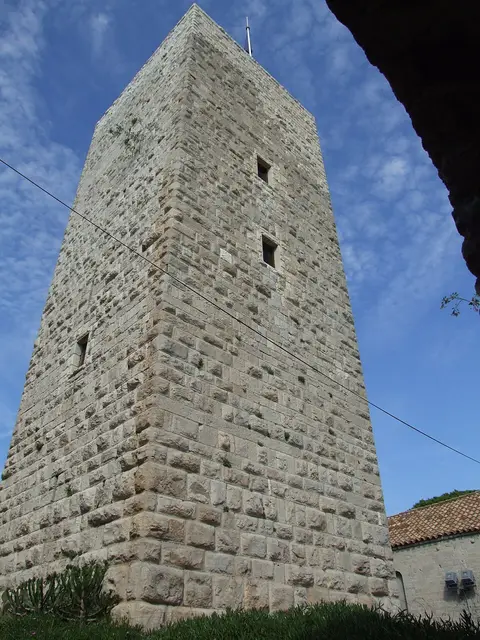
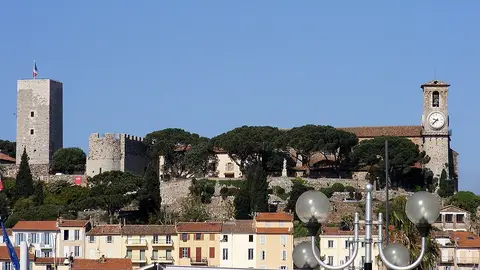
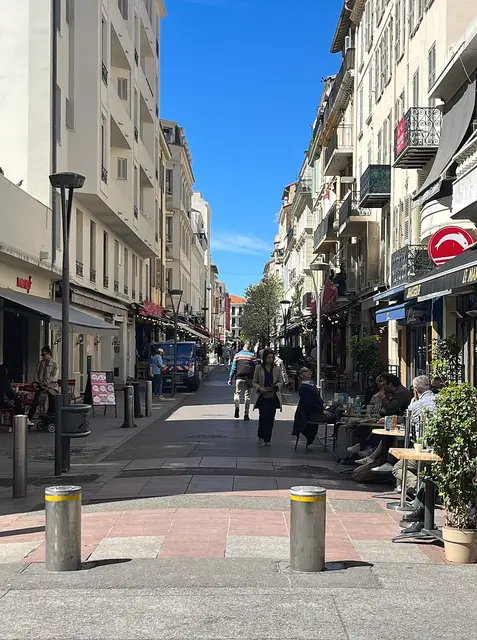
The Croisette, the waterfront promenade about two kilometers (1.2 miles) long, is lined with palm trees, luxury hotels, and private beaches. At the Palais des Festivals you can have your photo taken on the famous staircase, and on the Allée des Stars, actors' handprints are set into the pavement. Behind the Old Port, the old-town district of Le Suquet climbs the hill, with narrow lanes, small restaurants, and the Musée de la Castre in an old castle, whose tower offers views across the bay. The nearby Marché Forville is the city's colorful farmers market. The Rue d'Antibes is an elegant shopping street, and the La Californie district to the east has magnificent villas in the hills.
The Lérins Islands
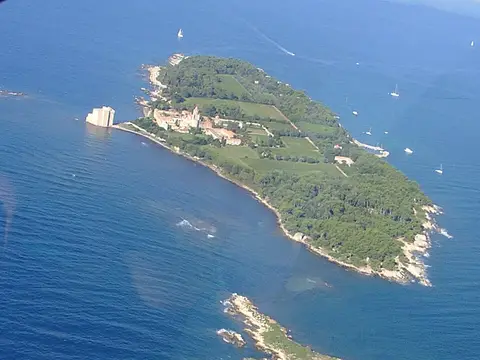
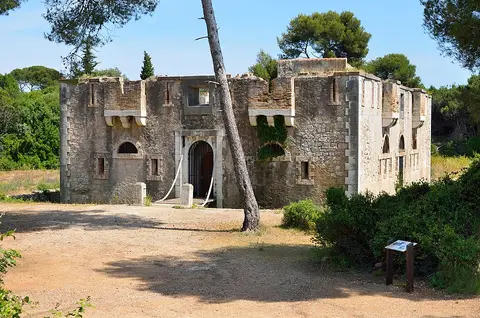
Just a 15-minute boat ride away lie the Îles de Lérins. On Île Sainte-Marguerite stands Fort Royal, where the mysterious Man in the Iron Mask was held prisoner in the 17th century; pine forests and coves invite you to go for a swim. On the smaller Île Saint-Honorat, monks have lived for more than 1,600 years, and today they grow grapes for wine and make liqueur. You can visit the abbey and a fortified medieval monastery.
Food, Festivals, and Nightlife
The cuisine of Cannes is Provençal: bouillabaisse, salade niçoise, socca, and fresh fish from the Marché Forville. In Le Suquet and around the Rue Saint-Antoine you'll find small restaurants, while the Croisette has beach restaurants and Michelin-starred dining. Besides the film festival in May, events include the Cannes Lions advertising festival in June, the fireworks festival in summer, and trade fairs for television and yachts in the fall. In the evening, people gather at the bars along the harbor and the Croisette, where the nights get very long during the festivals.
Getting Around and Best Time to Visit
The nearest major airport is Nice Côte d'Azur (NCE); buses and trains reach Cannes in about 30 to 45 minutes. Regional trains connect the city with Nice, Antibes, and Saint-Raphaël, and the TGV runs to Paris. Most sights in the city can be reached on foot. The best times to visit are spring and fall. During the film festival in May, hotel prices are very high. Day trips lead to Grasse, the perfume capital, to the Massif de l'Estérel with its red rocks, and to Antibes.