Discover Rouen: Cathedral, Half-Timbered Houses and Joan of Arc
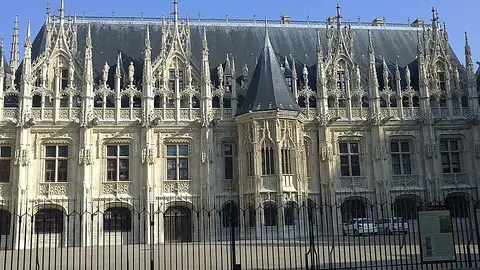
Travel guide · editorialClaude Monet painted the façade of Rouen Cathedral more than thirty times, each time in a different light – and standing in front of it today, you understand why. The capital of Normandy has one of the loveliest old towns in France, with around 2,000 half-timbered houses, Gothic churches and reminders of Joan of Arc. A city break in Rouen is a trip back to the Middle Ages, just about an hour by train from Paris.
Vikings, Dukes and Joan of Arc
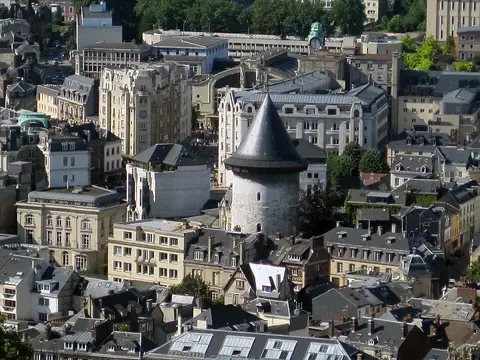
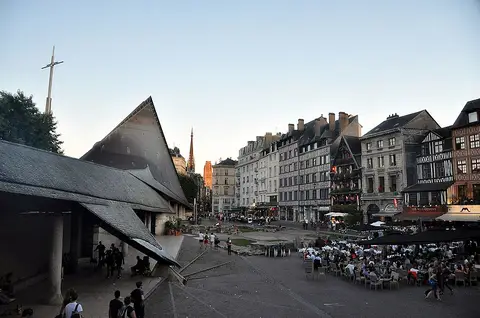
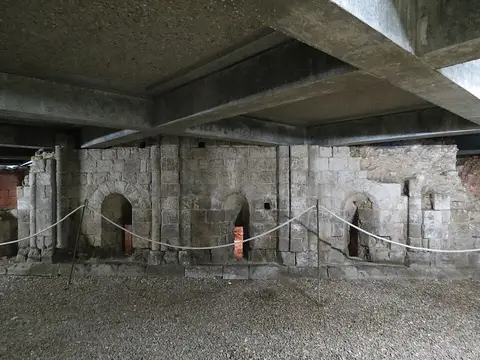
Rouen was already an important settlement on the Seine in Roman times. In 911, the Viking Rollo received the region as a fief, and Rouen became the capital of the Duchy of Normandy, from which William the Conqueror set out to conquer England in 1066. During the Hundred Years' War the city was in English hands, and in 1431 Joan of Arc was burned here as a heretic. The site of her death, the Vieux-Marché, is now built over with a modern church. Rouen was heavily bombed in World War II, but the old town has been lovingly restored.
Sights in Rouen
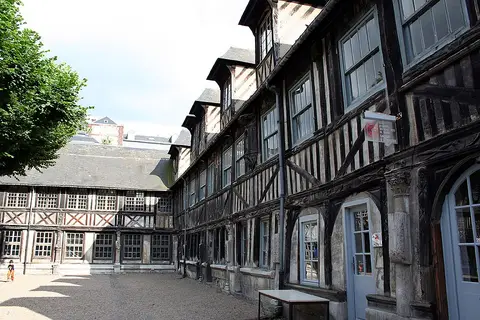
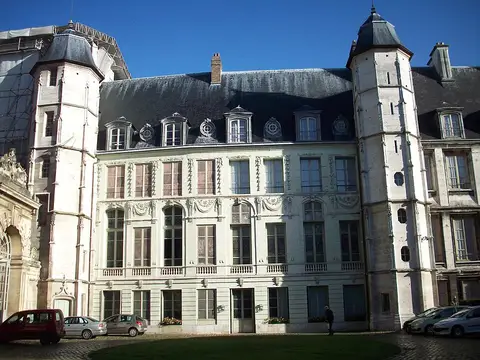
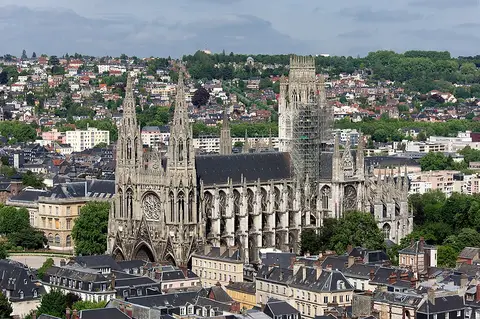
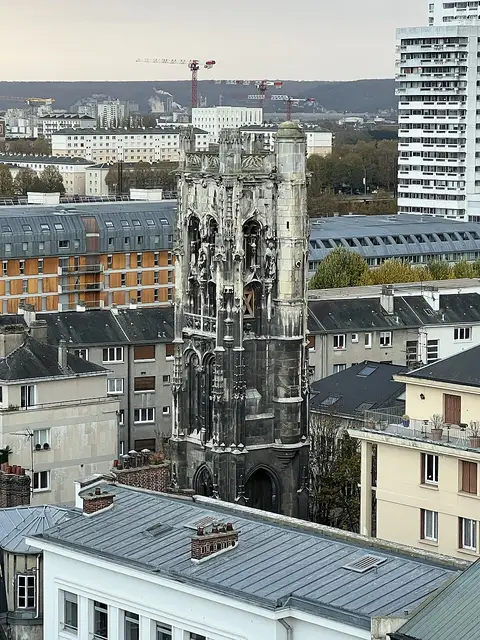
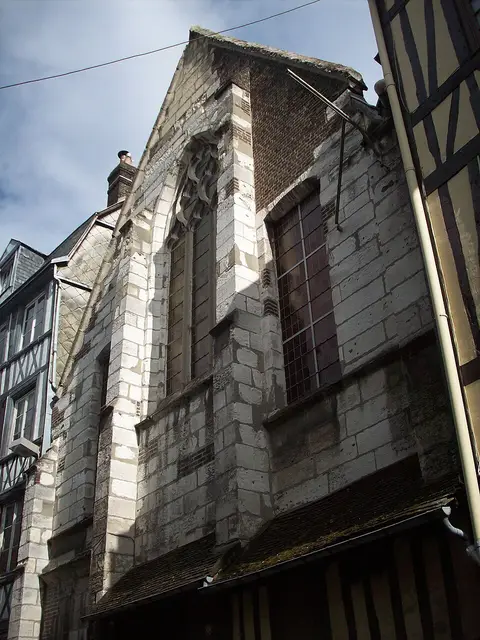
Notre-Dame Cathedral in the Vieux-Marché-Cathédrale district, with its 151-meter cast-iron spire, is the tallest church in France. The heart of Richard the Lionheart rests inside. On summer evenings, light projections are cast onto the façade, recalling Monet's paintings. The Rue du Gros-Horloge passes beneath an archway with a 14th-century astronomical clock on its way to the Vieux-Marché, where the Church of Sainte-Jeanne-d'Arc stands with its curving slate roof. The Church of Saint-Maclou is a masterpiece of late Gothic architecture, and right next to it lies the Aître Saint-Maclou, a former plague cemetery with half-timbered galleries and macabre carvings. The Historial Jeanne d'Arc in the Archbishop's Palace tells the saint's story through multimedia exhibits.
Museums and Neighborhoods
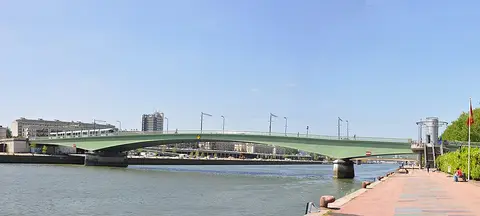
After the Musée d'Orsay in Paris, the Musée des Beaux-Arts has one of the most important Impressionist collections in France, including one of Monet's cathedral paintings. The Ceramics Museum and the Le Secq des Tournelles Museum of ironwork, housed in a former church, are unusual additions. The Saint-Marc district hosts a large flea market on Sundays, and students and artists live in Croix de Pierre. On the left bank of the Seine, in the Centre Ville Rive Gauche, the quays have been redesigned and are now a green place to relax. In the Saint-Clément district you will find the Jardin des Plantes, a large botanical garden.
Eating in Rouen
Norman cuisine loves cream, butter, apples and cheese: Camembert, Pont-l'Évêque and Neufchâtel all come from the region. Canard à la rouennaise, duck served with a sauce made from its own blood, is the city's specialty. It is washed down with cider or Pommeau, and a Calvados rounds off the meal. In the middle of dinner comes the "trou normand," a small glass of Calvados between two courses meant to make room in your stomach. The restaurants in Rouen around the Vieux-Marché are steeped in tradition – one of them is said to be the oldest inn in France.
Getting Around and Best Time to Visit
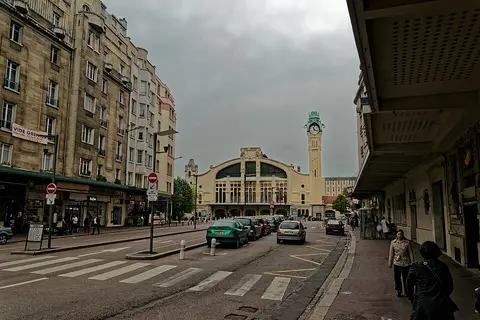
By train, Paris-Saint-Lazare is reachable in about an hour and a half. The nearest major airport is Paris-Charles de Gaulle. Within the city, a Metro-Tram and buses run. The best time to visit is from May to September. Day trips lead to Giverny for Monet's garden, to Étretat on the Alabaster Coast, and to the abbeys of the Seine Valley.