Grand Est: Alsace, Lorraine and Champagne
Travel guide · editorialSince 2016, Grand Est has united three historic regions with very distinct characters: Alsace, Lorraine and Champagne-Ardenne. A vacation in Grand Est takes you through half-timbered villages along the Alsace Wine Route, into the champagne cellars of Reims and Épernay, and to Gothic cathedrals that rank among the most beautiful in France.
Landscapes Between the Rhine and Champagne
In the east, the Rhine forms the border with Germany. Behind it rise the Vosges Mountains with the Grand Ballon, and the vineyards of Alsace lie on their eastern slopes. Lorraine is a land of plateaus, forests and lakes, crossed by the Moselle and the Meuse, with traces of the steel and coal industries in the north. Farther west, the chalk hills of Champagne roll away with their vineyards, and to the north the Ardennes, with deep forests and the bend of the Meuse, stretch all the way into Belgium.
Cities in Grand Est
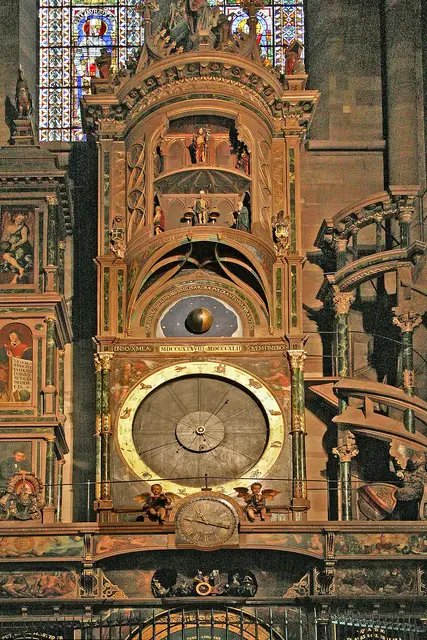
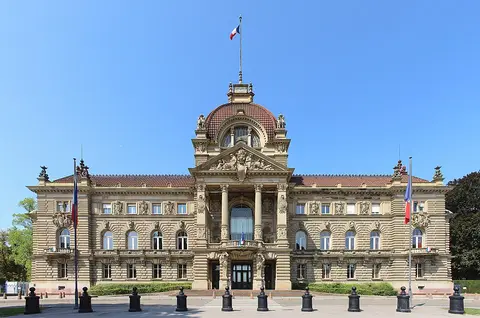
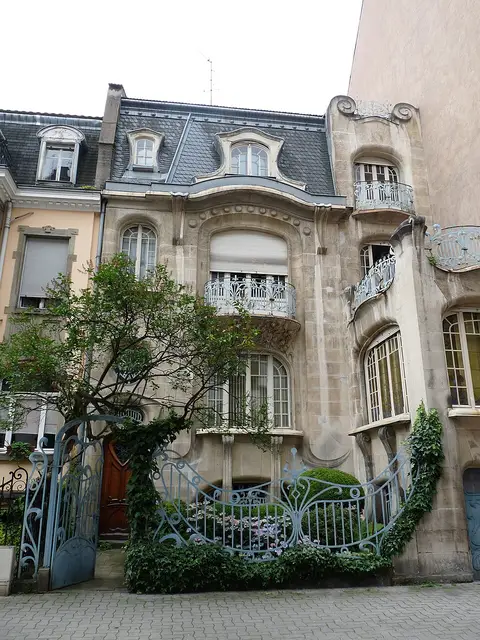
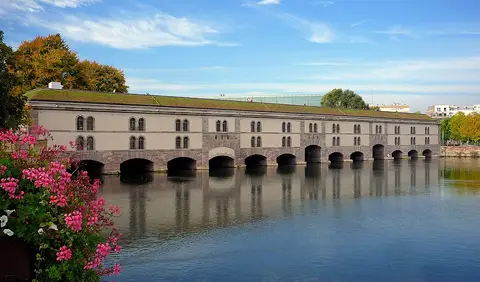
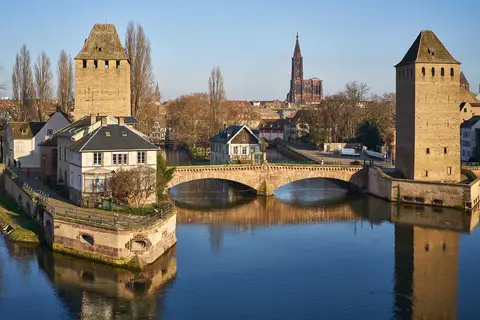
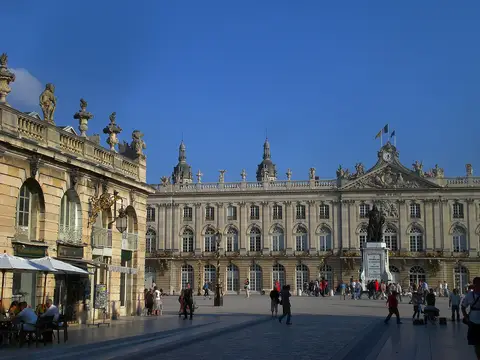
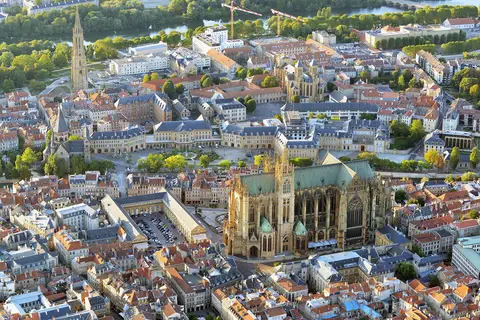
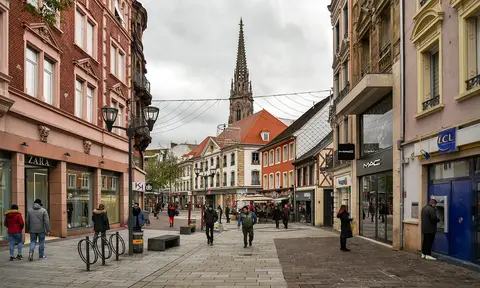
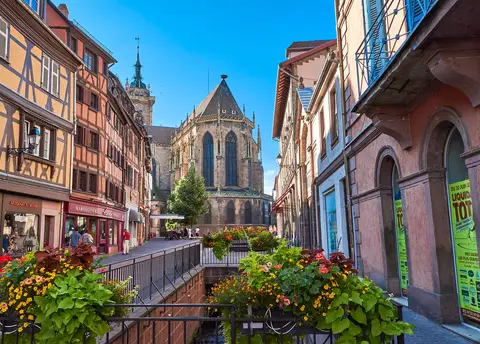
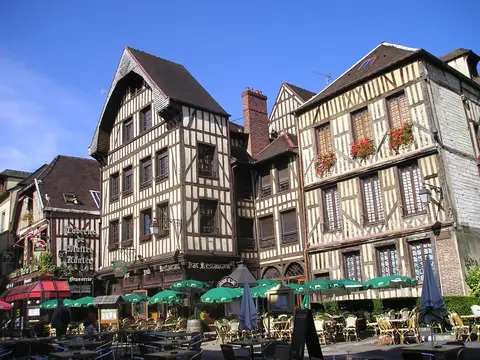
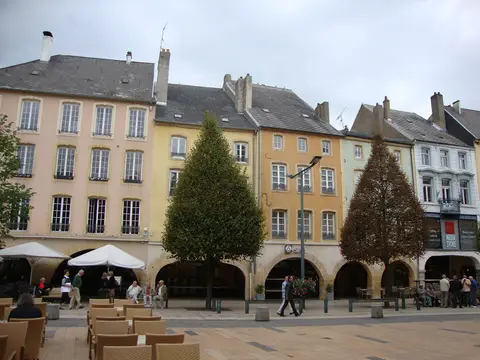
Strasbourg is home to the European Parliament and the Council of Europe. The Grande Île with its cathedral and the Petite France district with its half-timbered houses along the canals are UNESCO World Heritage sites, as is the German New Town from the imperial era. Colmar charms with its Little Venice quarter and the Isenheim Altarpiece in the Musée Unterlinden. Mulhouse has two of Europe's largest technology museums, the Cité de l'Automobile and the Cité du Train. In Nancy, Place Stanislas with its gilded wrought-iron gates is one of the most beautiful 18th-century ensembles, and the city was a center of Art Nouveau. Metz surprises with Saint-Étienne Cathedral, which has more stained glass than any other Gothic church, and the Centre Pompidou-Metz. Reims is the coronation city of the French kings, Troyes preserves a half-timbered old town in the shape of a champagne cork, and Charleville-Mézières is the birthplace of Arthur Rimbaud and the capital of puppetry.
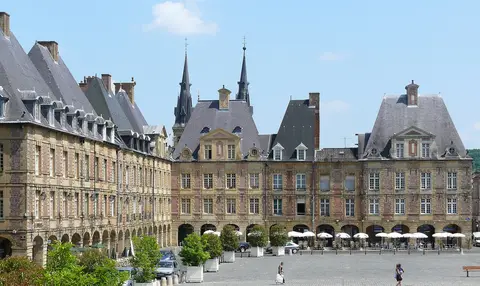
Alsace also has small towns such as Obernai, Ribeauvillé and Sélestat with its Humanist Library, and in the north Alsace Bossue lures visitors with forests and castles; just across the border in Lorraine lies Meisenthal, where the glass Christmas ornament is said to have been invented. In Lorraine, Bitche with its citadel, Toul with its cathedral and Domrémy-la-Pucelle, the birth village of Joan of Arc, are all worth a visit. In the Ardennes, Sedan has one of the largest castles in Europe.
Sights in Grand Est
The sights in Grand Est include Reims Cathedral with its Smiling Angel, the ensemble of champagne houses on the Avenue de Champagne in Épernay, the Haut-Kœnigsbourg, a reconstructed castle above the Rhine plain, and the Alsace Wine Route with towns such as Riquewihr, Eguisheim and Kaysersberg. In Verdun, the Douaumont Ossuary, forts and memorials recall one of the costliest battles of World War I. You can also tour the Maginot Line with fortresses such as Hackenberg.
Nature lovers will enjoy the Ballons des Vosges Regional Park with its high pastures and lakes, as well as Lake Der, a large reservoir in Champagne where tens of thousands of cranes stop to rest in the fall.
Culture and History
Alsace and parts of Lorraine changed hands several times between Germany and France from 1871 to 1945. This still shapes language, architecture and law today: Alsatian is still spoken, and Alsace-Moselle has its own church law. Christmas markets have a long tradition here; the Christkindelsmärik in Strasbourg is considered one of the oldest in Europe, and Colmar, Kaysersberg and Metz are also well known.
Food and Drink
Choucroute (sauerkraut with sausages and meat), tarte flambée, baeckeoffe and kougelhopf are Alsatian classics, while quiche Lorraine, mirabelle plums and madeleines come from Lorraine. In Alsatian winstubs, you'll be served Riesling, Gewürztraminer and Pinot Gris. In Champagne, you can visit the chalk cellars of the big houses in Reims and Épernay or small growers in the villages of the Montagne de Reims, where the champagne hillsides, houses and cellars are recognized as a UNESCO World Heritage site.
Getting There and Best Time to Visit
Strasbourg is just under two hours from Paris by TGV and about two hours from Frankfurt and Stuttgart by TGV or ICE; Reims is 45 minutes from Paris. The best time to visit is May through October, especially during the grape harvest in September. The Christmas markets draw visitors in Advent, so book accommodations early.