Discovering Rennes: Half-Timbered Houses, the Lices Market, and Galettes
Travel guide · editorialRennes is the capital of Brittany and one of the youngest cities in France – nearly one in four residents is a student. Between crooked half-timbered houses, one of the biggest markets in the country, and lively bar streets, the city comes across as down-to-earth and full of life. A city break in Rennes also makes an ideal start to a trip through Brittany.
Fire, Parliament, and Modernity
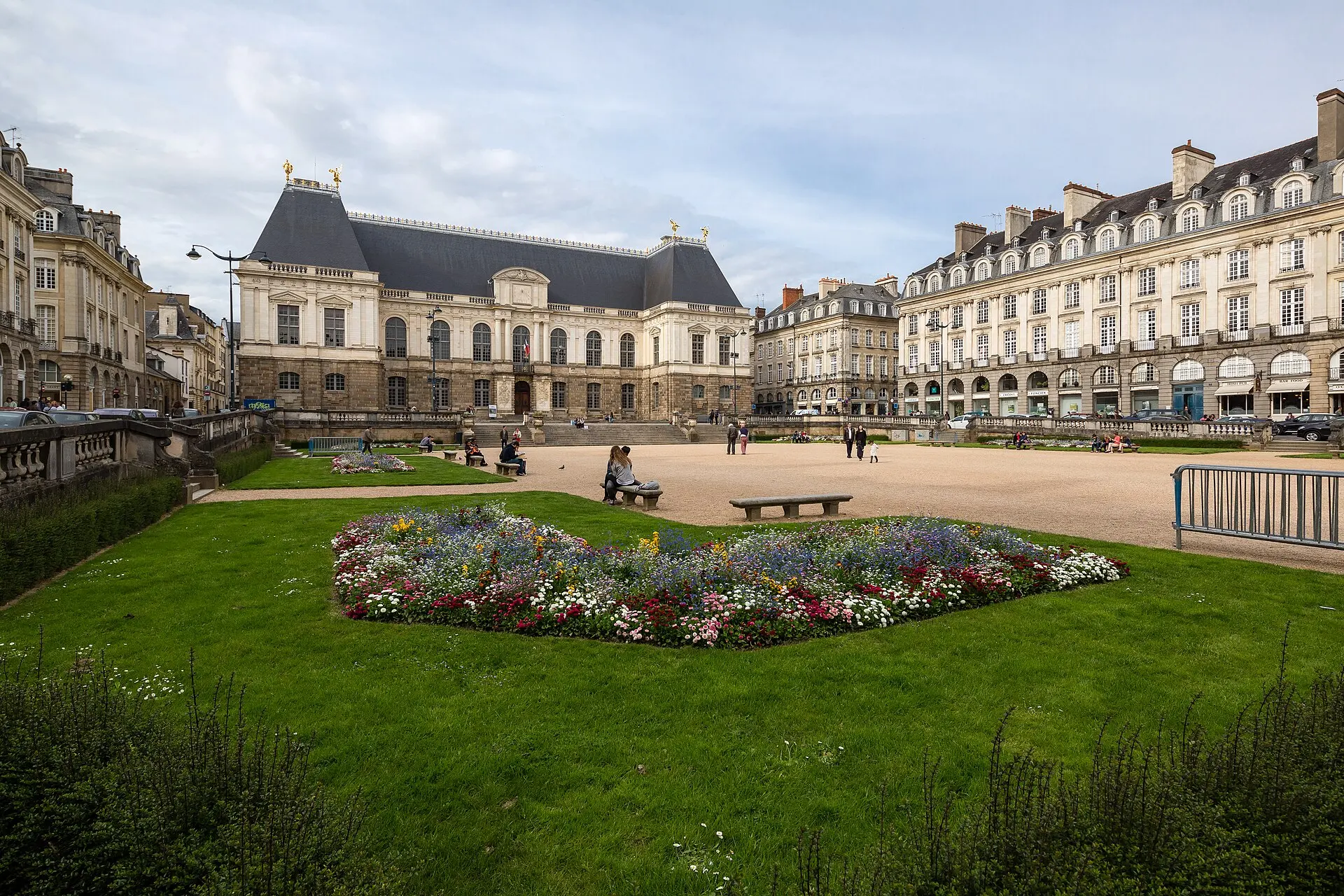
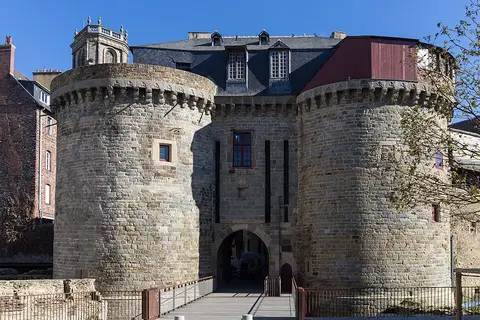
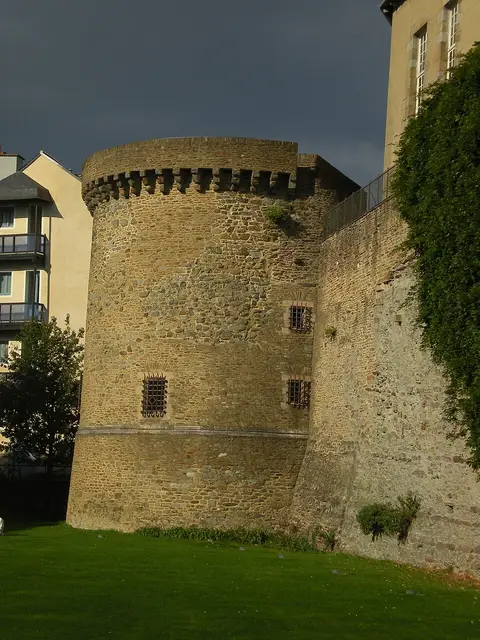
Rennes has been a center of Brittany since the Middle Ages, and from 1561 it was the seat of the Breton Parliament. In 1720, a great fire that raged for six days destroyed large parts of the wooden city. Afterward, the center was rebuilt with granite and limestone buildings in the neoclassical style, while the half-timbered quarters in the north survived – so today two completely different cityscapes lie side by side. In the 19th century, the second trial of Alfred Dreyfus took place here. Today Rennes is a city of universities, the digital economy, and the auto industry.
Sights in Rennes
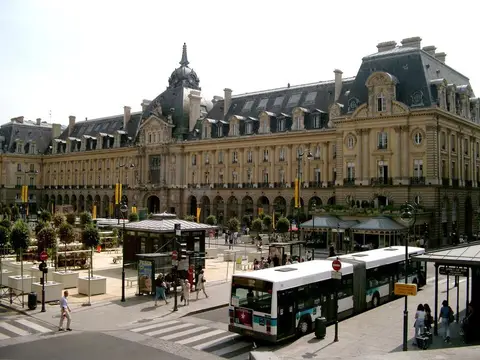
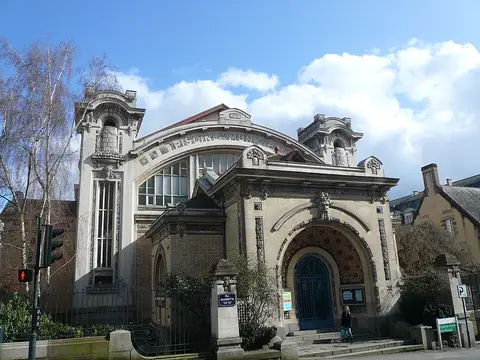
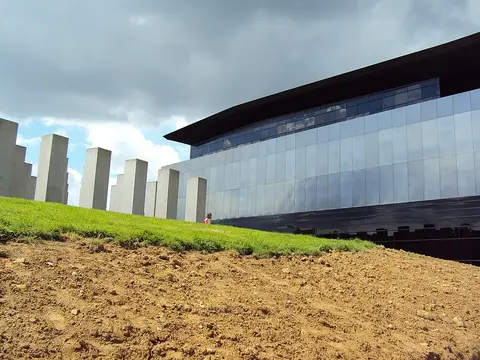
In the Centre district, colorful half-timbered houses from the 15th to 17th centuries line the Place des Lices, Rue du Chapitre, and Rue Saint-Georges, some of them alarmingly crooked. The Parliament of Brittany, a 17th-century palace, now houses the court of appeal; on guided tours you can see its magnificent gilded halls. The Cathedral of Saint-Pierre, the neoclassical city hall, and the opera house frame an elegant square. The Thabor Gardens in the Thabor-Saint-Hélier district, with a rose garden, orangery, and aviaries, are among the most beautiful parks in France. The Musée des Beaux-Arts shows works from Rubens to Picasso, and Les Champs Libres, a cultural center by Christian de Portzamparc, combines the Museum of Brittany, a library, and a planetarium.
The Lices Market and Breton Cuisine
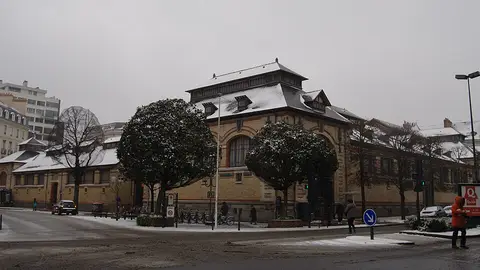
Every Saturday morning, one of the largest markets in France takes place on the Place des Lices, with hundreds of stalls in the open air and in two market halls. Local farmers sell cheese, vegetables, oysters from Cancale, and fish. Be sure to try a galette-saucisse, a grilled sausage wrapped in a buckwheat crêpe that has cult status as a soccer snack. The city's crêperies serve savory galettes made from buckwheat flour and sweet crêpes, accompanied by cider served in a bowl. For dessert, there's kouign-amann, a butter cake with a caramelized crust.
Going Out and Festivals
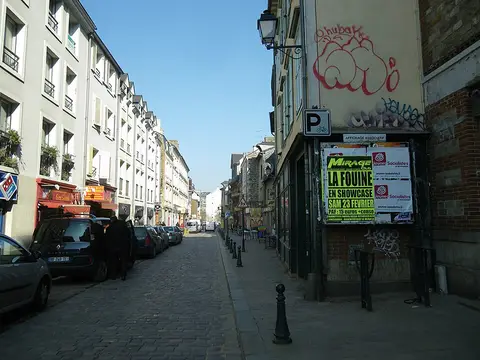
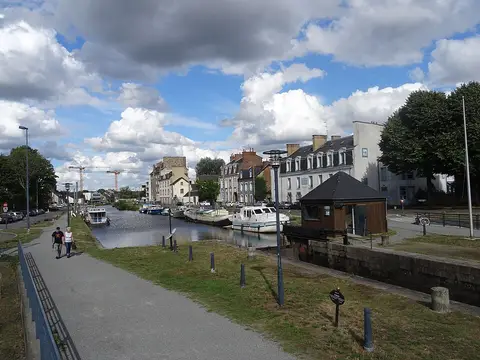
Rue Saint-Michel, popularly known as the "Rue de la Soif" – the Street of Thirst – is devoted entirely to bars and is packed with students on weekends. In December, the Rencontres Trans Musicales take place, a festival that gave many later stars their first stage. In summer, "Les Tombées de la Nuit" brings theater and art to public spaces. Soccer fans make the pilgrimage to Roazhon Park, home of Stade Rennais, where Breton flags fly on match days. And along the Vilaine, riverside paths lead out of the city into the countryside.
Getting Around and Best Time to Visit
Rennes-Saint-Jacques Airport (RNS) is about six miles southwest of the city. The TGV reaches Paris in about an hour and a half. Two fully automated metro lines cross the city, the second of which opened in 2022. The best time to visit is summer, though you should always plan for rain. Day trips lead to Saint-Malo, Mont-Saint-Michel, and the Forest of Brocéliande, the realm of the Arthurian legend.