Brittany: Granite Coast, Menhirs, and Crêpes
Travel guide · editorialBrittany juts far out into the Atlantic as a peninsula and has kept its own language, music, and cuisine. A vacation in Brittany means roughly 2,700 kilometers of coastline with pink granite cliffs, lighthouses, and fishing harbors, plus menhirs, half-timbered towns, and a crêperie in every village.
Coast and Landscape
The Bretons distinguish between Armor, the land by the sea, and Argoat, the land of forests. On the north coast, the Côte de Granit Rose near Ploumanac’h glitters with pink and orange rocks, and Cap Fréhel rises above the Emerald Coast with red cliffs. In the far west, in Finistère, you'll find the wild headlands of the Pointe du Raz and the Crozon Peninsula, with islands such as Ouessant and Sein offshore. The climate is milder in the south: the Gulf of Morbihan is an inland sea dotted with dozens of islands, and Belle-Île off Quiberon lives up to its name. Inland lie the Brocéliande Forest, setting of the Arthurian legend, and the Monts d’Arrée with their heathland and moors. Tides with a range of more than ten meters reshape the landscape twice a day.
Cities and Harbor Towns
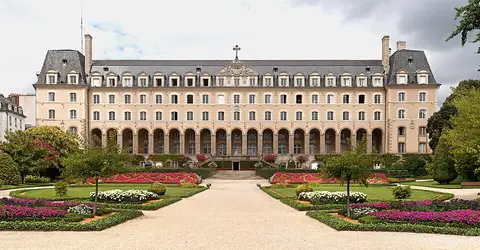
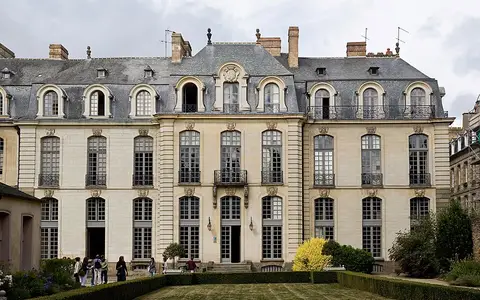
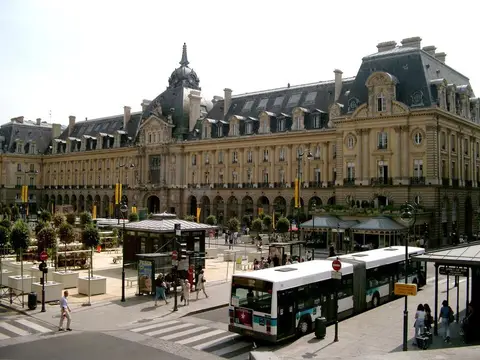
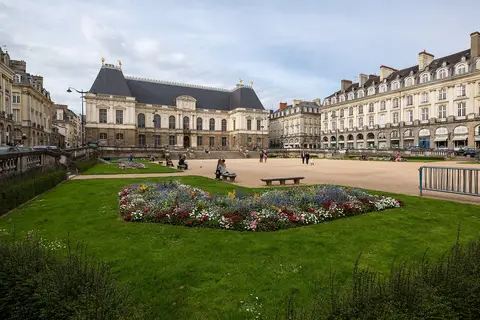
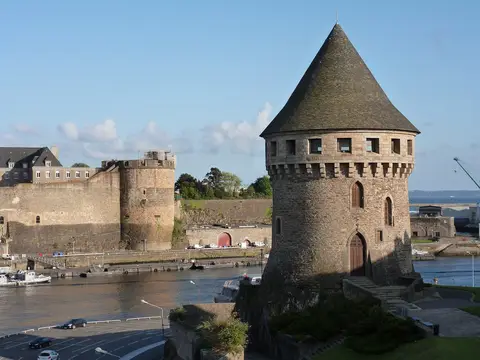
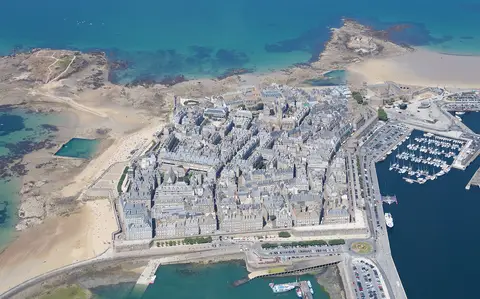
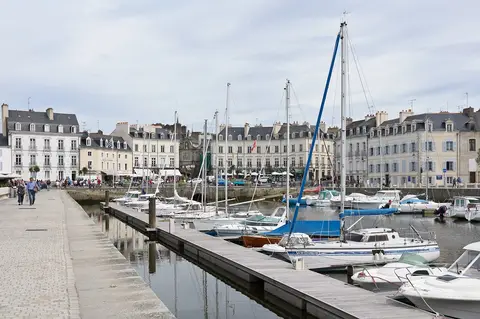
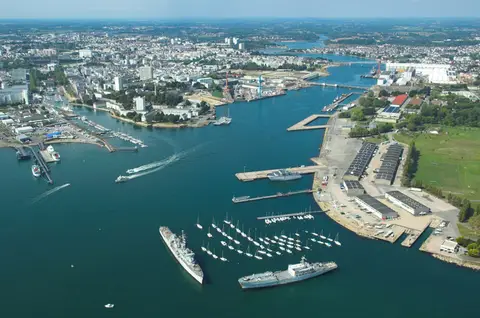
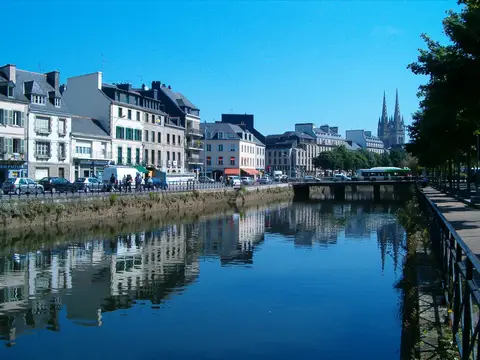
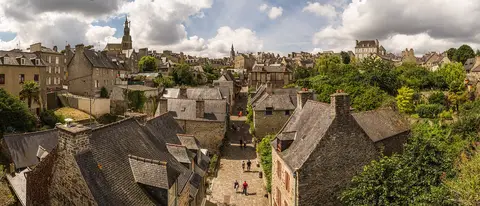
Rennes is a student city with half-timbered houses around the Place des Lices, where one of France's largest markets takes place on Saturdays, and home to the Parliament of Brittany. Saint-Malo was a city of privateers; you can walk the entire circuit of its ramparts, and at low tide you can walk out to the island of Grand Bé. Nearby lies Dinan, with medieval lanes above the Rance. Vannes on the Gulf of Morbihan has an old town center with half-timbered houses and ramparts, while Quimper has a Gothic cathedral and the famous painted faience. Brest is a naval port with the Océanopolis sea aquarium, Lorient a fishing port and submarine base with a museum, and Saint-Brieuc a gateway to the north coast.
Beyond the cities, you'll be drawn to places like Pont-Aven, where Paul Gauguin painted with an artists' colony; Roscoff, with its ferry port and the onion sellers who once traveled as far as England; and Josselin, with its castle above the Nantes–Brest Canal. The Île de Bréhat is car-free and surrounded by pink granite, and Perros-Guirec is a seaside resort on the Granite Coast.
Sights in Brittany
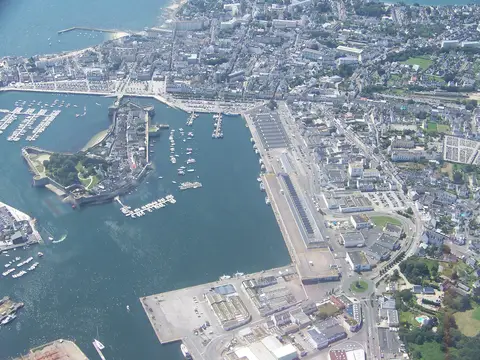
The stone rows of Carnac, with around 3,000 standing menhirs, are among the largest prehistoric monuments in the world. Other sights in Brittany include the enclosed parish closes (enclos paroissiaux) in Finistère, such as those in Saint-Thégonnec and Guimiliau, with elaborately carved calvaries. Concarneau has a fortified old town on an island in the harbor, and Locronan is a granite village that looks like something out of the 18th century. Lighthouses such as the Phare d’Eckmühl can be climbed, and the customs officers' trails, the GR 34, lead along nearly the entire peninsula.
Mont-Saint-Michel lies just inside Normandy, but it is easy to reach from Saint-Malo or Cancale.
Culture and Festivals
Breton, a Celtic language, appears on bilingual place signs and is taught in Diwan schools. Music with bagpipes (biniou) and bombarde, dance nights called fest-noz, and the pilgrimages known as pardons are living traditions. The Festival Interceltique in Lorient in August brings together musicians from all the Celtic nations, and the Vieilles Charrues in Carhaix is one of the largest music festivals in France.
Food and Drink
Crêpes made from wheat flour and galettes made from buckwheat are cooked everywhere, and you drink cider from a cup alongside them. Brittany supplies oysters from Cancale, scallops from the Bay of Saint-Brieuc, lobster, and sardines. Kouign-amann, a buttery puff-pastry cake from Douarnenez, and far breton with prunes are classics, as are salted butter and fleur de sel from Guérande, although that lies just beyond the regional border.
Getting There and Best Time to Visit
The TGV takes about 1.5 hours from Paris to Rennes and a little over three hours to Brest. The airports at Rennes, Brest, and Nantes offer connections, and many visitors arrive by car on Brittany's toll-free expressways. The best time to visit is May through September; the weather changes quickly, but that is exactly what creates the coast's shifting moods of light.