Discover Lille: Grand-Place, Braderie and Flemish Heritage
Travel guide · editorialLille has a strong Flemish character, is French at heart and sits so close to Belgium that you could bike across the border for a beer. Red brick, ornate gables and hearty cuisine make the capital of the Hauts-de-France region a rewarding destination for a city break. If you visit Lille, you'll discover a city that is far livelier than its old reputation as an industrial metropolis.
Sights in Lille
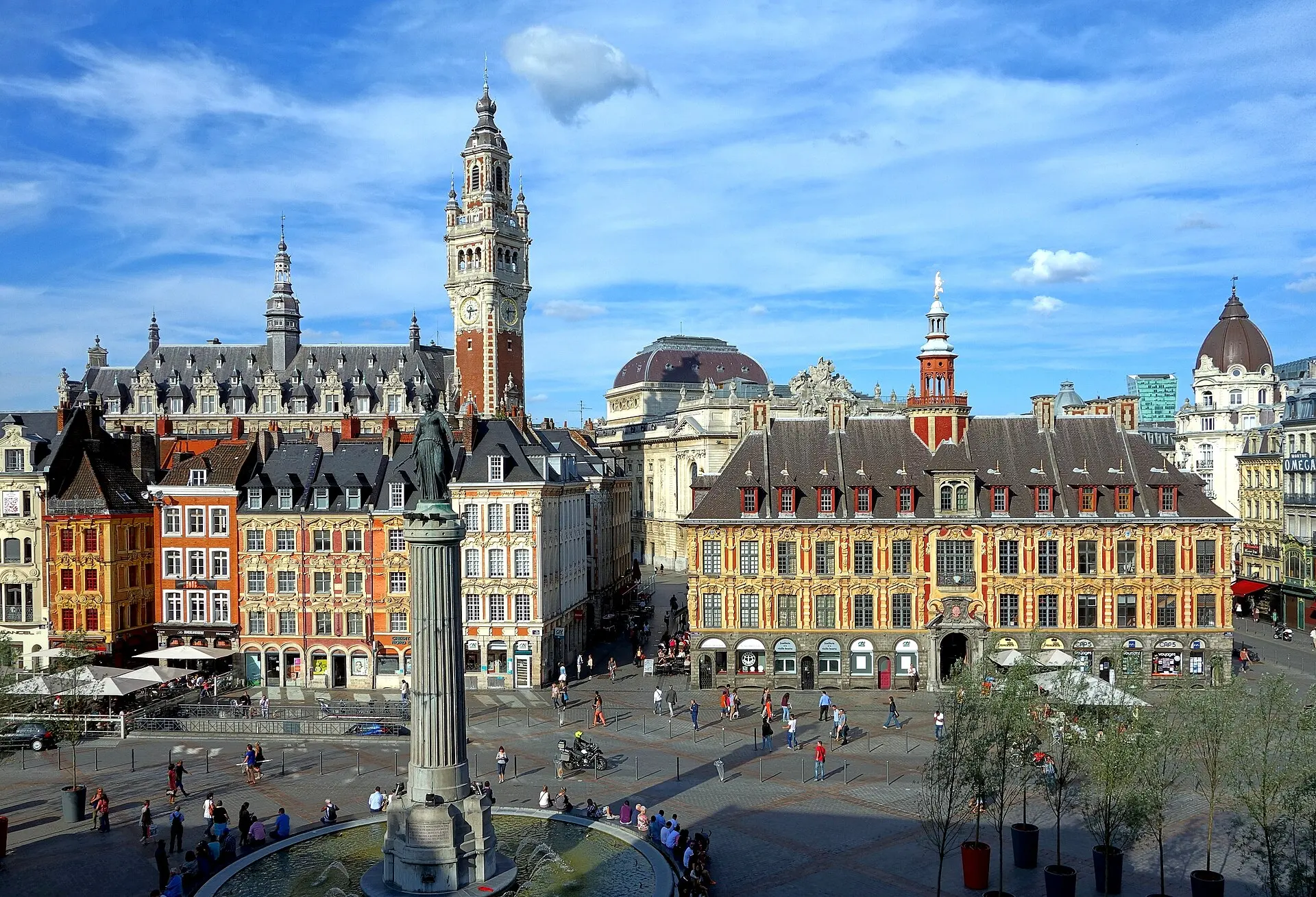
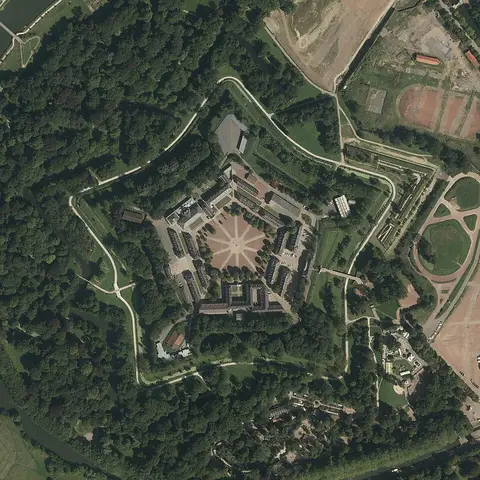
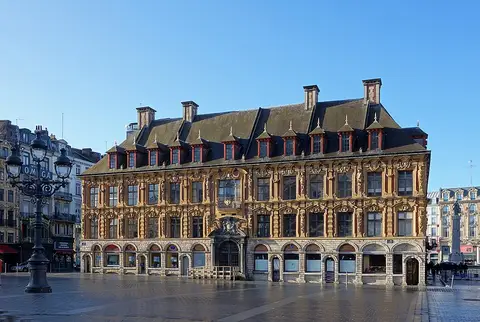
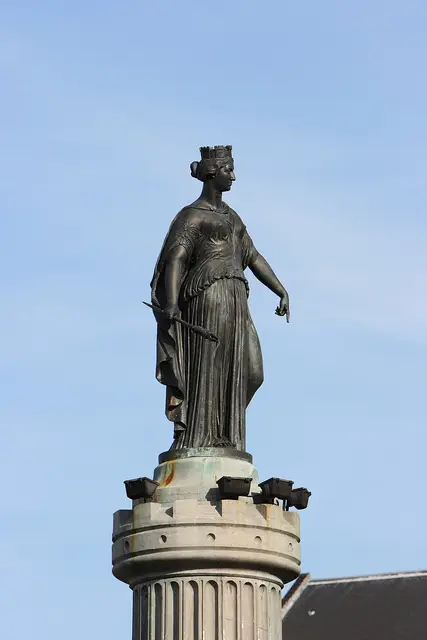
The Grand-Place, officially Place du Général-de-Gaulle, is the heart of the city, named after the general who was born here. Next to it stands the Vieille Bourse, the old stock exchange from the 17th century, a masterpiece of Flemish Renaissance architecture, where secondhand booksellers sell books and chess players sit in the inner courtyard. The town hall has a 104-meter-high belfry, which is a UNESCO World Heritage Site and offers an observation deck. The Citadel, laid out by Vauban in the 17th century as a pentagonal fortress, is still used by the military today and is surrounded by a large park. The Cathedral of Notre-Dame-de-la-Treille, not completed until 1999, surprises with a facade of thin marble through which the light shimmers.
Museums and Neighborhoods
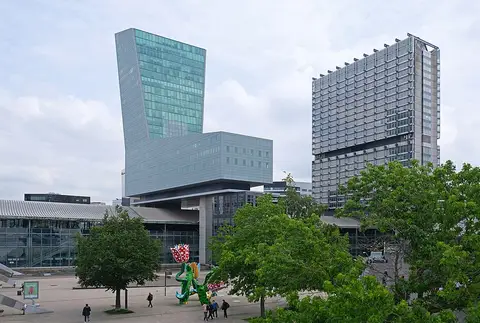
The Palais des Beaux-Arts is, after the Louvre, one of the largest art collections in France, with works by Rubens, Goya and Delacroix as well as relief models of fortified cities. In Roubaix, just a few tram minutes away, La Piscine shows art in a former Art Nouveau swimming pool. Vieux-Lille, with its cobblestones, boutiques and patisseries, is the most charming neighborhood, while Wazemmes, with its big Sunday market, is multicultural and lively. Euralille, the modern business district around the TGV stations, was planned by Rem Koolhaas. The city also includes the incorporated communities of Lomme and Hellemmes.
Food, Beer and Going Out
The cuisine of the north is hearty: carbonade flamande, beef braised in beer; potjevleesch, cold meat in aspic; Welsh, a kind of baked cheese toast with beer; and the strong-smelling Maroilles cheese. You wash it down with beer from regional breweries. In the estaminets, traditional taverns, you can eat in a cozy atmosphere at fair prices. With coffee there are gaufres, filled waffles, whose most famous address is in Vieux-Lille. On the first weekend of September the Braderie de Lille takes place, one of the largest flea markets in Europe with millions of visitors, where moules-frites are traditionally eaten – the empty mussel shells are piled into mountains in front of the restaurants. Thanks to the many students, the nightlife is lively. Rue Masséna and Rue Solférino are known for bars and pubs, Vieux-Lille for cocktail bars and wine bars. The opera house and the Orchestre National de Lille offer high-caliber culture.
Getting Around and Best Time to Visit
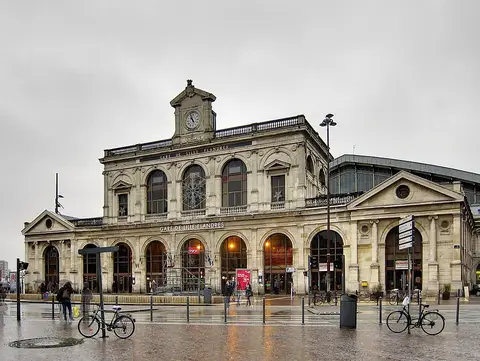
Lille is a rail hub: Paris is an hour away, Brussels about 35 minutes, and London about an hour and a half by Eurostar. Lille-Lesquin Airport (LIL) serves mainly destinations in France and the Mediterranean. The VAL, one of the world's first driverless metros, connects the city with the suburbs. The best time to visit is from May to September; in December a Christmas market with a Ferris wheel draws visitors to the Grand-Place.