Northern France: Belfries, Chalk Cliffs, and Lille
Travel guide · editorialNorthern France, officially Hauts-de-France, is often just a place people drive through on the way to Paris or the English Channel. A vacation in Northern France, however, reveals Flemish cities with belfries, the chalk cliffs of the Opal Coast, the largest Gothic cathedral in France in Amiens, and a warm everyday culture centered on breweries and carnival.
Coast, Fields, and Hills
The region comprises the départements of Nord, Pas-de-Calais, Somme, Oise, and Aisne. The Côte d’Opale between Dunkirk and the Bay of the Somme offers chalk cliffs at Cap Blanc-Nez, granite cliffs at Cap Gris-Nez, from where you can see England in clear weather, and broad sandy beaches such as the one at Le Touquet. Seals live in the Baie de Somme, and the tide races far across the sandbanks. Inland you'll find grain and sugar beet fields, the forests of Compiègne and Chantilly, and the former coal basin, whose slag heaps are now a UNESCO World Heritage site.
Lille and the Cities
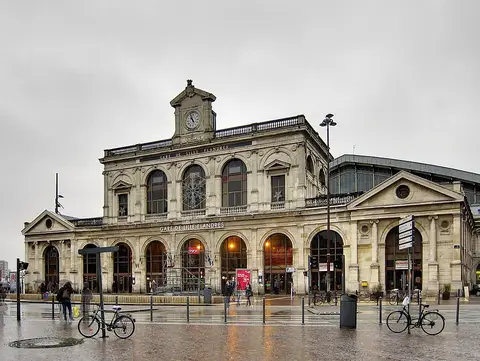
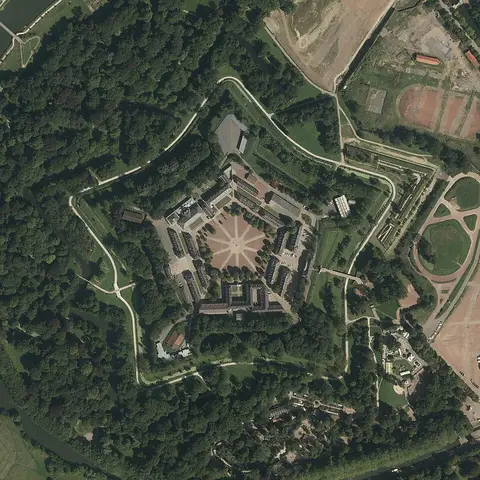
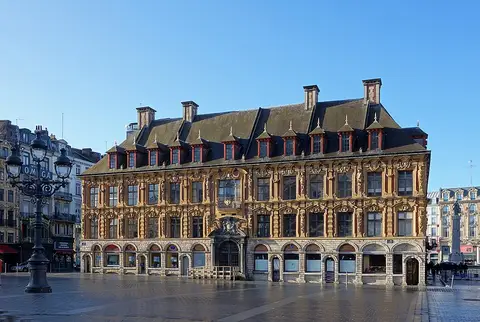
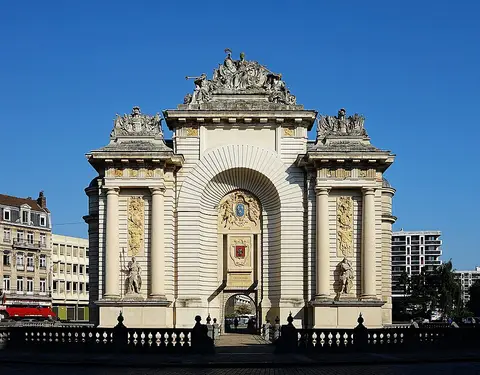
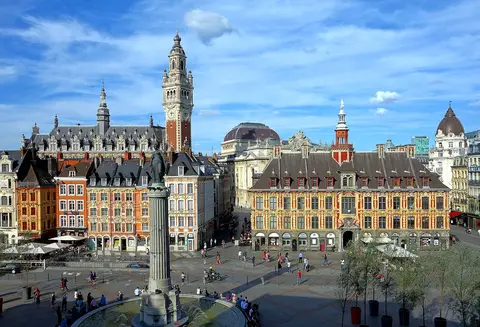
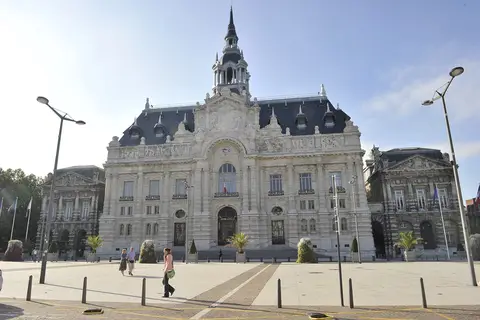
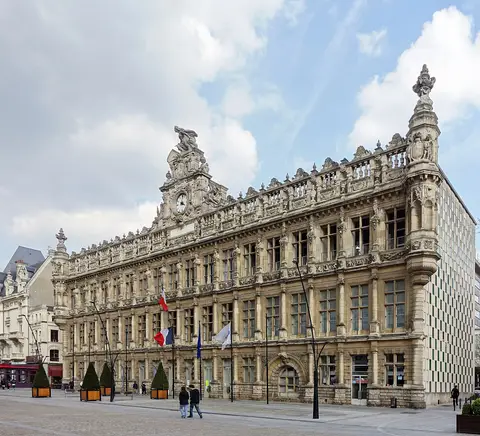
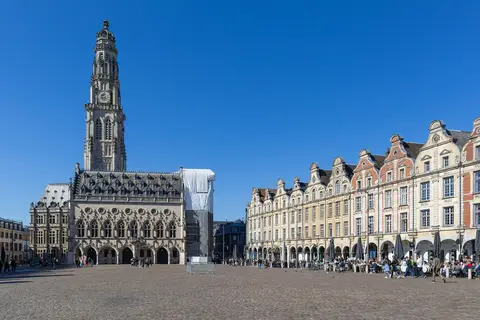
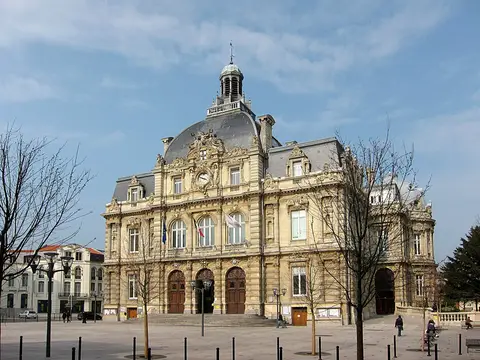
Lille is a lively university city with a Flemish character. Highlights include the Grand Place with the Old Stock Exchange, the old town of Vieux-Lille with its brick houses, and the Palais des Beaux-Arts, home to one of the largest art collections in France. At the beginning of September, the Braderie, one of the largest flea markets in Europe, turns the whole city into one giant market. The neighboring cities of Roubaix and Tourcoing were centers of the textile industry; in Roubaix, the La Piscine museum shows art in an Art Nouveau swimming hall, and the finish of the Paris–Roubaix cycling classic is in the velodrome. Besides its cathedral, Amiens has the Hortillonnages, floating gardens that you can explore in flat-bottomed boats, and the house of Jules Verne. Arras impresses with two Baroque squares, and Calais with Rodin’s “Burghers of Calais” and the tunnel to England. Valenciennes and Dunkirk have a rich port and industrial history.
Smaller destinations in Northern France include Montreuil-sur-Mer with its city walls, Saint-Omer with its cathedral and marsh gardens, Laon on its hilltop with an early Gothic cathedral, and Senlis with its medieval lanes. The Bay of the Somme, with the towns of Saint-Valery-sur-Somme and Le Crotoy, can be explored by steam train, and in Wimereux and Wissant, long beaches and dunes beckon.
Sights in Northern France
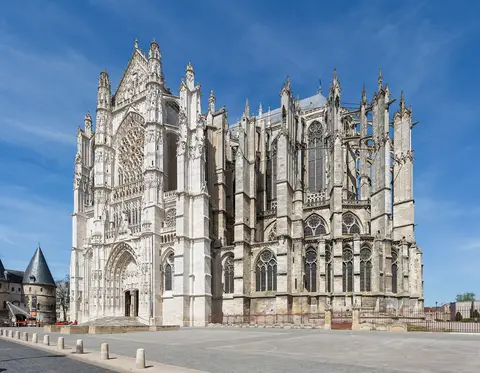
Notre-Dame Cathedral in Amiens is the largest Gothic house of worship in France and a UNESCO World Heritage site. Equally protected are the region’s 23 belfries, bell towers that symbolized civic freedom, such as those in Arras, Douai, and Calais. Other sights in Northern France include Chantilly Castle with its painting collection and Great Stables, Pierrefonds Castle, the Louvre’s branch in Lens, the abbey of Saint-Riquier, and World War I memorials on the Somme and at Vimy. In Compiègne, the armistice was signed in the forest in 1918.
In the coal basin near Lens, headframes and miners’ housing estates tell the story of the region’s industrial history, and the Lewarde Mining Museum shows life underground.
Culture and Festivals
The Dunkirk Carnival, in which costumed groups parade singing through the streets, is a highlight in February and March. Giant figures, the “Géants,” accompany many town festivals and are recognized as intangible cultural heritage. The Picard language, the “Ch’ti” dialect, gained new fame through the film “Welcome to the Sticks.”
In Lille, estaminets, cozy taverns with wooden tables, are part of everyday life, and the Christmas markets serve vin chaud and gingerbread in the Flemish style.
Food and Drink
The cuisine of the north is hearty: carbonade flamande, beef braised in beer; Welsh, bread baked with beer and cheddar; potjevleesch; Maroilles cheese; and fries from the fry stand. Beer plays the role here that wine does elsewhere, with numerous small breweries. Sweet treats include gaufres fourrées from Lille and the bêtises de Cambrai. On the coast, you can eat mussels and herring from Boulogne-sur-Mer, the largest fishing port in France.
Getting There and Best Time to Visit
Lille can be reached from Paris by TGV in one hour, and the Eurostar stops there on its way to London and Brussels. From Germany, you travel via Brussels or Cologne. The best time to visit is from May to September; in fall and winter, carnival, the Braderie, and the Christmas markets have their own charm.