Discovering Dijon: Ducal Palace, Mustard, and Burgundy Wine
Travel guide · editorialStroke the stone owl on the Church of Notre-Dame in the Rue de la Chouette with your left hand and you may make a wish – or so tradition has it in Dijon. The capital of Burgundy is a city of dukes, mustard, and wine, and its old town ranks among the most beautiful in France. A city break in Dijon is also a journey into one of the world's great wine regions.
The Dukes of Burgundy
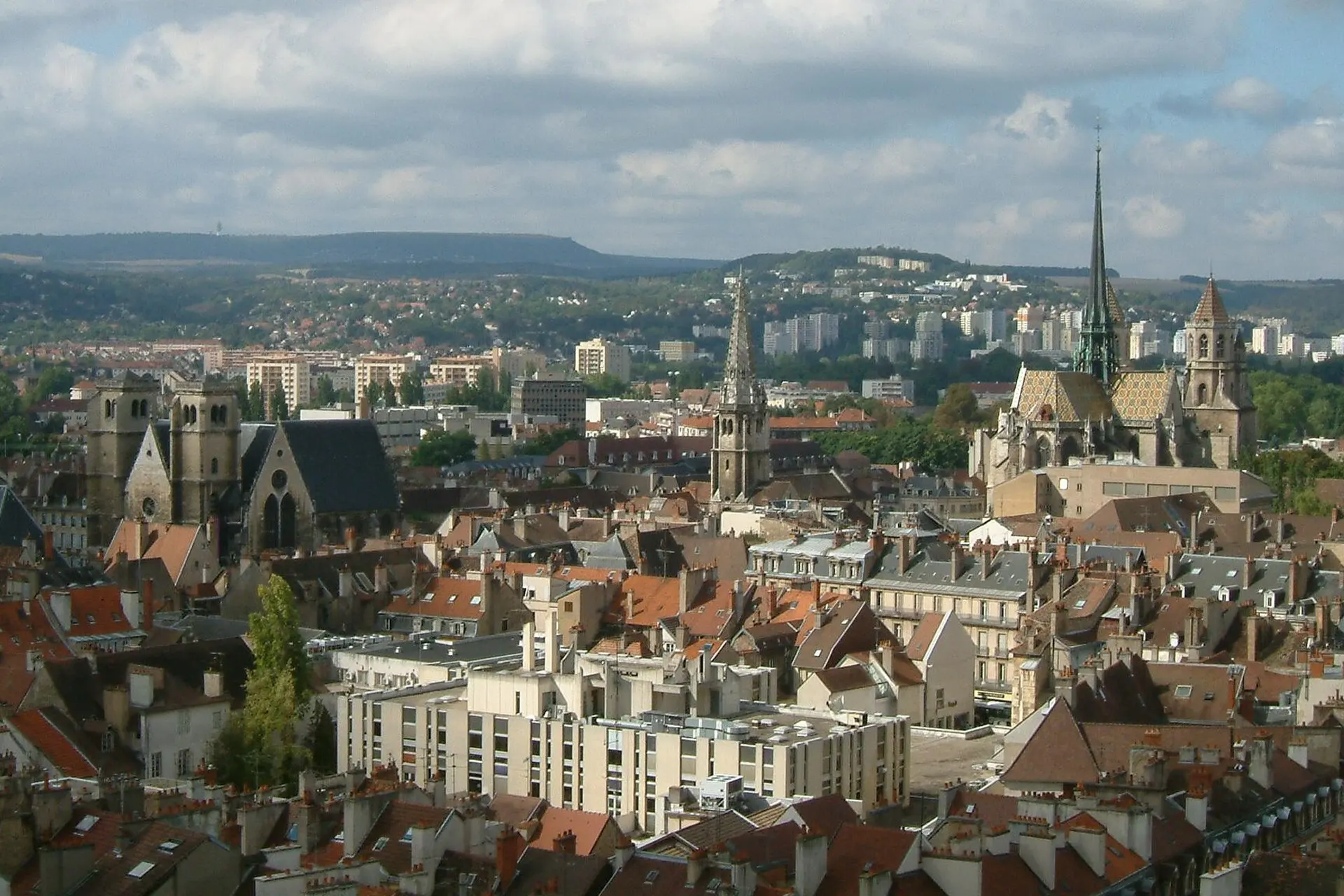
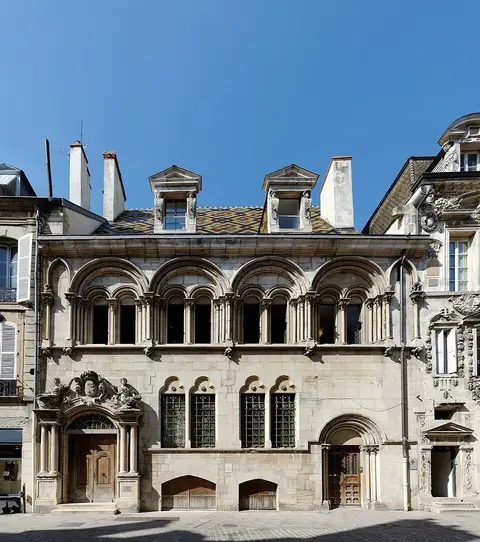
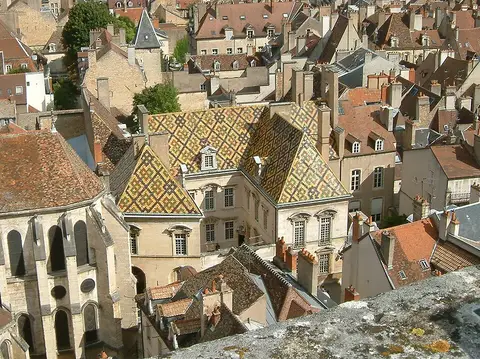
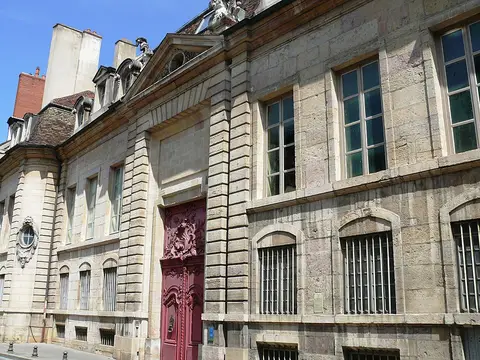
In the 14th and 15th centuries, Dijon was the capital of the Dukes of Burgundy, whose realm at times stretched all the way to Flanders and rivaled the French royal court. Philip the Bold, John the Fearless, and Philip the Good brought artists from all over Europe to their court. After the death of Charles the Bold in 1477, Burgundy fell to France, but Dijon remained the seat of the province's parliament. The hôtels particuliers, the aristocracy's city mansions, and the brightly glazed roofs still shape the cityscape today.
Sights in Dijon
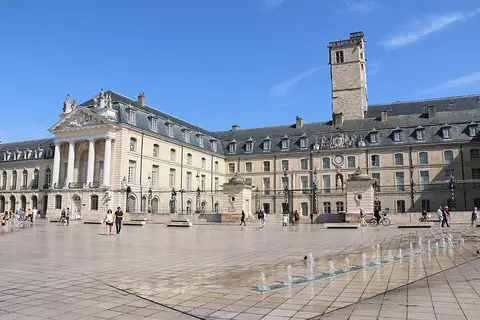
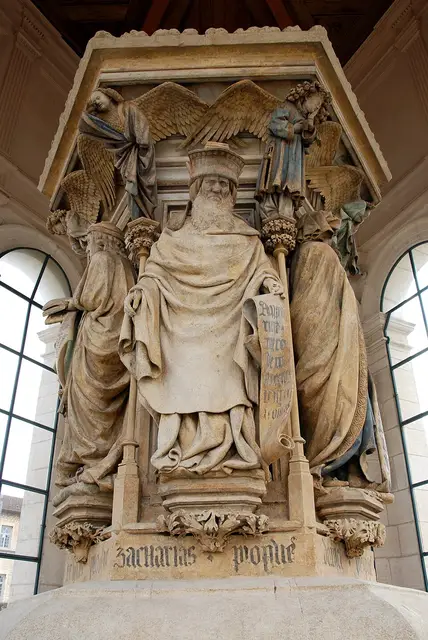
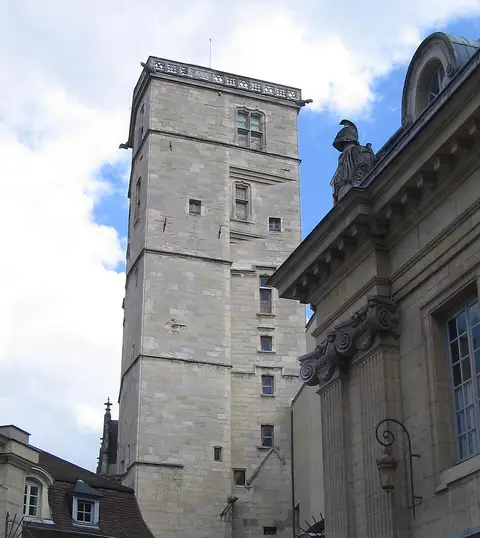
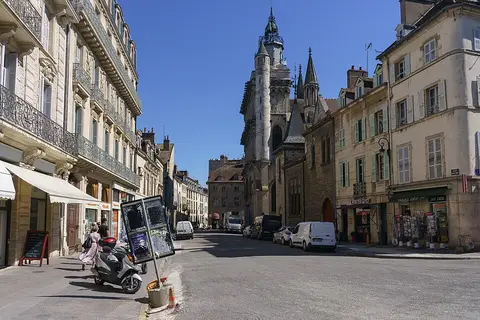
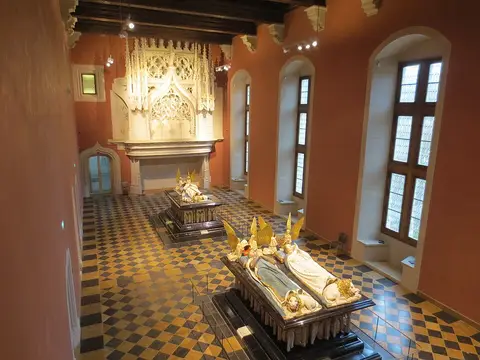
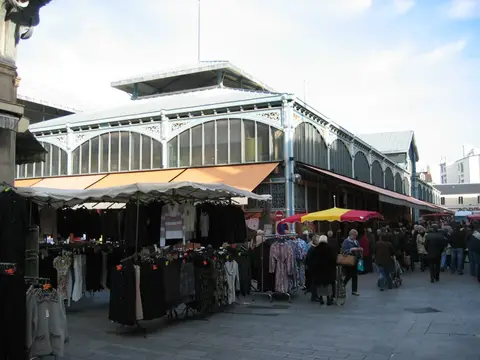
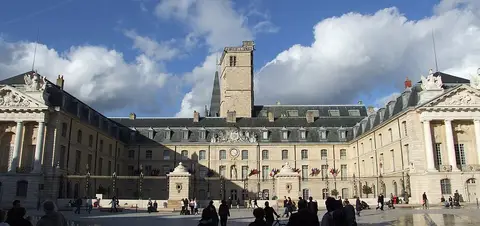
The Palace of the Dukes and Estates of Burgundy encloses the semicircular Place de la Libération. It houses the Musée des Beaux-Arts, one of the oldest museums in France, with the magnificent tombs of the dukes, and the Tour Philippe le Bon offers wide views over the rooftops. The Parcours de la Chouette, a walking trail marked with owl symbols on the pavement, leads to all the sights of the old town. The Church of Notre-Dame with its gargoyles and the Jacquemart clock, Saint-Bénigne Cathedral with an 11th-century crypt, and the Musée de la Vie bourguignonne are important stops. Half-timbered houses line the Rue des Forges and the Rue Verrerie. The covered market Les Halles, whose iron structure was built by Gustave Eiffel's firm, is the city's meeting point on market days.
Mustard, Wine, and Gastronomy
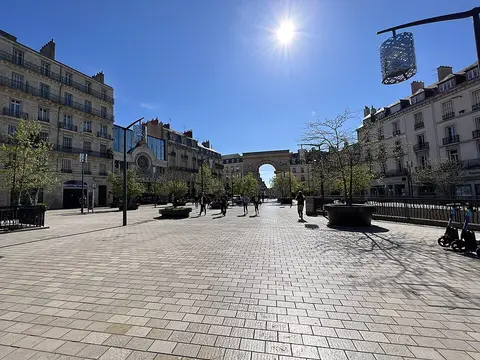
Dijon mustard is known worldwide; traditionally, the mustard seeds were mixed with verjus, the juice of unripe grapes. In shops on the Rue de la Liberté you can taste mustard from the barrel and buy it. Burgundian cuisine includes bœuf bourguignon, beef braised in red wine, escargots de Bourgogne in herb butter, œufs en meurette, poached eggs in red wine sauce, and jambon persillé. For an aperitif, there's kir, white wine with crème de cassis, named after a mayor of the city. The Cité Internationale de la Gastronomie et du Vin, which opened in 2022 in a former hospital, offers exhibitions, cooking classes, and wine cellars. In the evening, people gather on the Place Émile Zola and the Place François Rude, where bars and bistros set their tables outdoors. And if you have a sweet tooth, take home some pain d'épices, Dijon's gingerbread made with honey and spices.
Getting Around and Best Time to Visit
Dijon has no commercial airport; by TGV, Paris is about an hour and a half away, Lyon about two hours. Two tram lines and buses connect the city's districts. The best time to visit is from May to October, especially during the grape harvest in September. South of the city, the Route des Grands Crus begins, running through the Côte de Nuits with villages such as Gevrey-Chambertin and Vosne-Romanée, whose vineyard sites, the climats, are UNESCO World Heritage. Beaune, with its hospice and colorful tiled roof, is also just half an hour away.