Discovering Bordeaux: The Water Mirror, Wine, and Chartrons
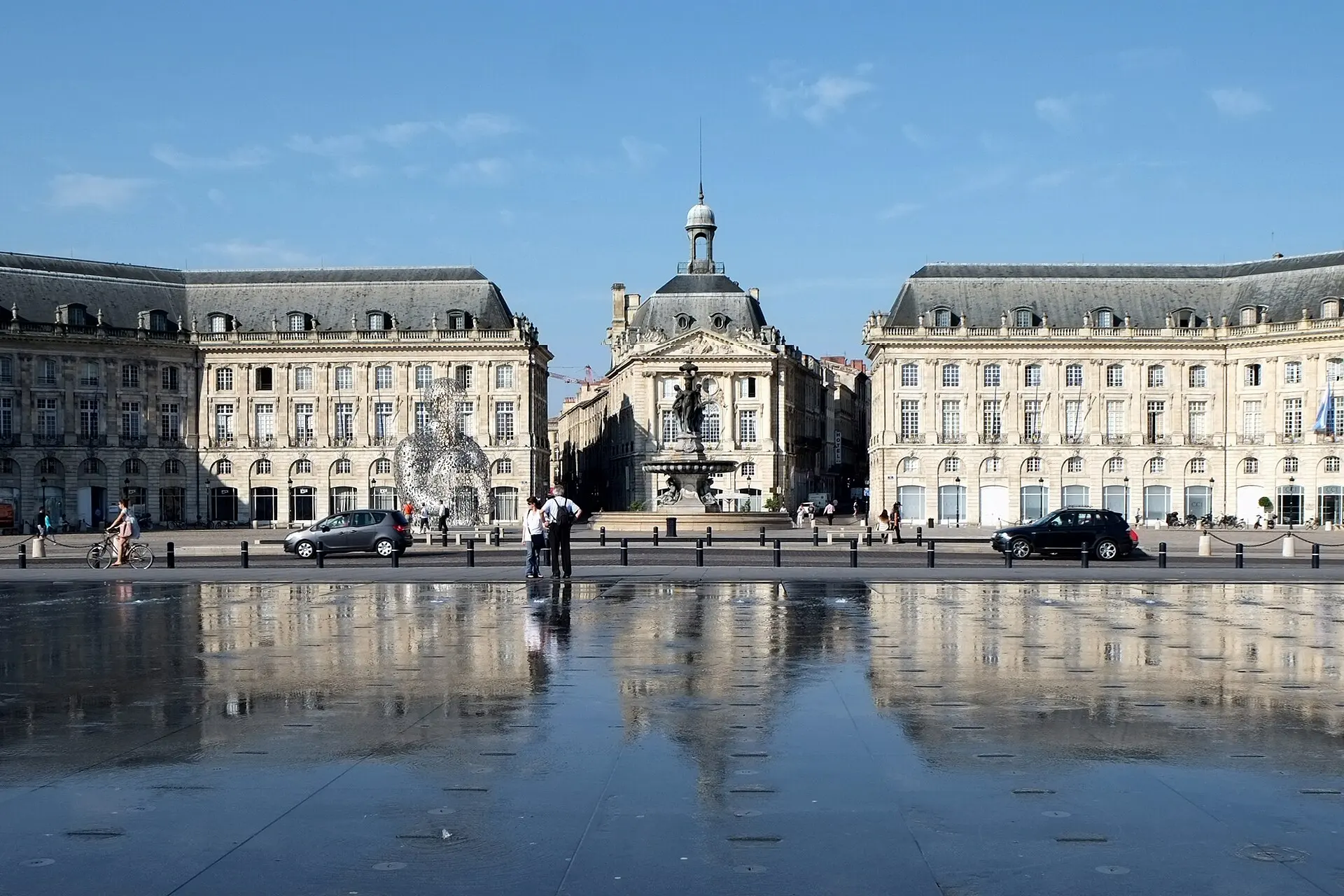
Travel guide · editorialWhen the façades of the Place de la Bourse double themselves in the water mirror on the banks of the Garonne, you understand why Bordeaux was considered a "sleeping beauty" for so long – and why it is now wide awake. The capital of the wine region has renovated its quays, built a modern streetcar system, and become one of the most popular city-break destinations in France. A vacation in Bordeaux combines architecture, fine food, and excursions to world-famous châteaux.
The Port of the Moon
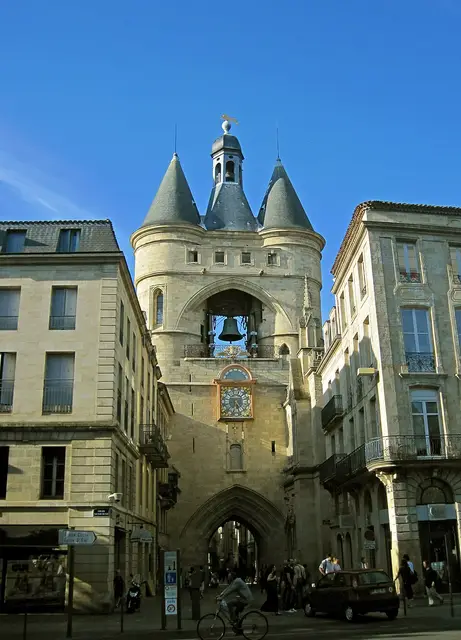
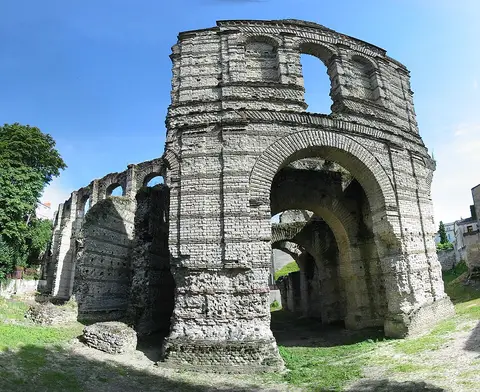
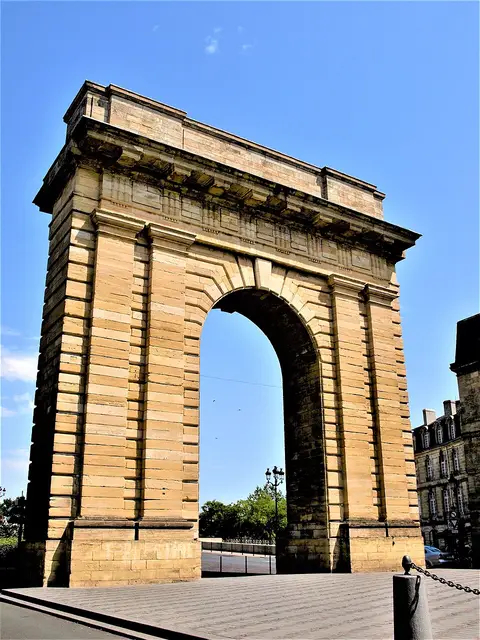
The Romans called the city Burdigala, and even then wine was being grown here. Through the marriage of Eleanor of Aquitaine to the future English King Henry II, Bordeaux belonged to England for around 300 years in the Middle Ages, and the English imported enormous quantities of the light red wine known as "claret." In the 18th century, the city experienced a golden age thanks to colonial trade, including the slave trade, and the neoclassical façades of pale limestone that shape the cityscape were built. The crescent-shaped bend in the river gave the port its name, "Port de la Lune," under which the ensemble has been a UNESCO World Heritage Site since 2007.
Sights in Bordeaux
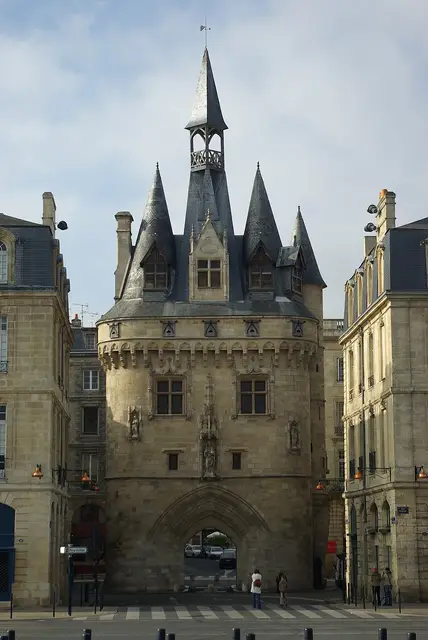
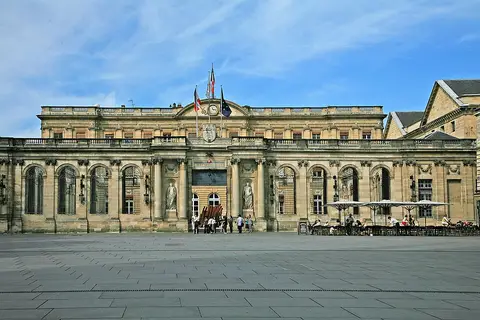
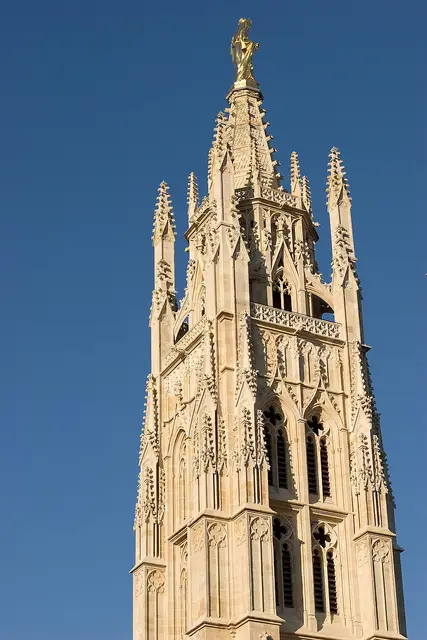
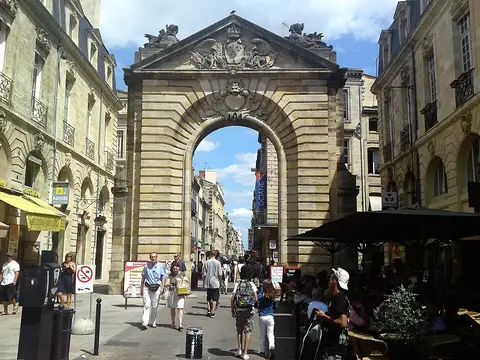
The Place de la Bourse and the Miroir d'eau opposite it, a shallow pool of water that alternately reflects and sprays mist, make up the best-known photo spot. The 18th-century Grand Théâtre, with its twelve columns, is considered one of the most beautiful theater buildings in France. The Saint-André Cathedral and the freestanding Pey-Berland Tower, the Basilica of Saint-Michel with its tall bell tower, and the Porte Cailhau, a medieval city gate, are all in central Bordeaux. Rue Sainte-Catherine is one of the longest pedestrian streets in Europe. On the waterfront, the Cité du Vin is worth a visit, a museum about wine culture in a building reminiscent of wine swirling in a glass, with a tasting on the roof.
Neighborhoods: Chartrons, Saint-Michel, and La Bastide
The Chartrons district, once home to the wine merchants, is now known for its antiques shops, bistros, and the Sunday market on the quay; the Jardin Public, an English-style park, is nearby. Around Saint-Michel in the south of the old town, the atmosphere is multicultural, with a flea market and market stalls. On the other side of the Garonne lies La Bastide, where the Botanical Garden and cultural centers have sprung up in old industrial buildings. Bordeaux Maritime in the north has reinvented itself with the Bassins à Flot docks and the former submarine base, now the Bassins des Lumières cultural center with digital art exhibitions.
Food and Wine in Bordeaux
Good food goes with the wine: entrecôte à la bordelaise with red wine and shallot sauce, oysters from nearby Arcachon, and lamproie, lamprey in red wine sauce, are local specialties. Canelés, small pastries with a caramelized crust and a soft center scented with vanilla and rum, are sold in every bakery. The Marché des Capucins, the "belly of Bordeaux," is the place for oysters at breakfast. Restaurants in Bordeaux range from simple wine bars to Michelin-starred dining, and in the evening the bars around Place Saint-Pierre and the quay fill up.
Getting Around and Best Time to Visit
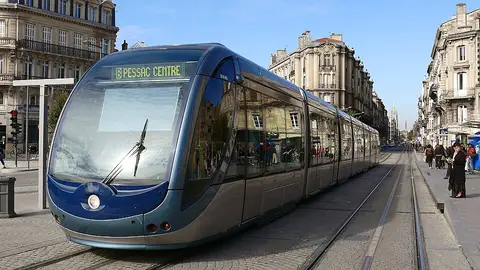
Mérignac Airport (BOD) lies about twelve kilometers (7.5 miles) to the west, and a shuttle bus and a tram line run to the center. Since 2017, Paris has been reachable by TGV in just over two hours. Four tram lines and rental bikes make a car unnecessary in the city center. The best time to visit is from May to October; in autumn the grapes are harvested, and excursions to the wine estates of Saint-Émilion, the Médoc, or the Dune du Pilat, Europe's tallest sand dune, are especially rewarding.