Discover Nantes: Elephant, Castle and Île de Nantes
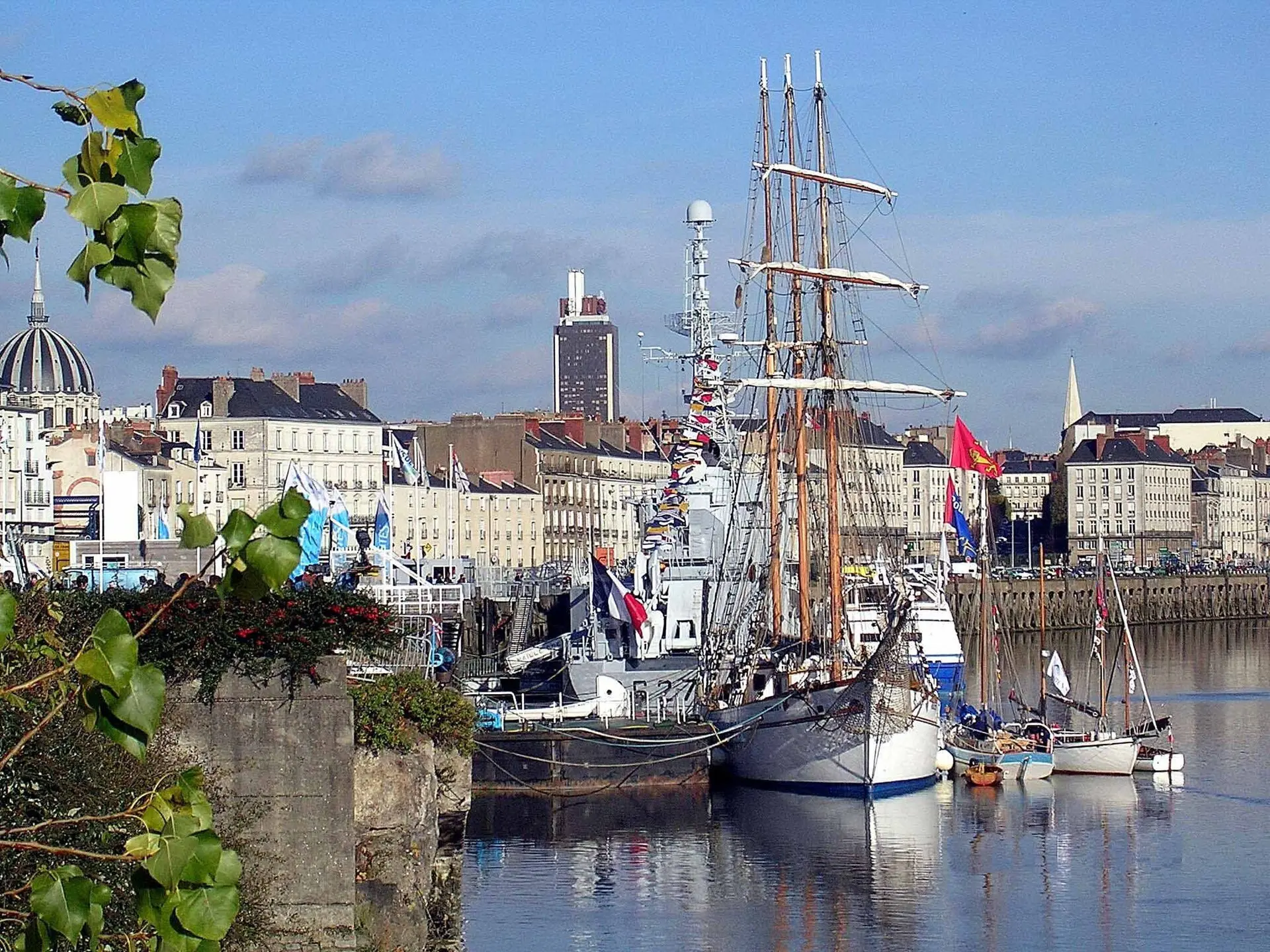
Travel guide · editorialA mechanical elephant, 40 feet tall, strolls across an old shipyard and sprays onlookers with water – in Nantes, that's an everyday sight. After shipbuilding came to an end, the city on the Loire reinvented itself with art and imagination. A city break in Nantes combines history, playful culture and the nearby Atlantic.
Dukes, Trade and Shipyards
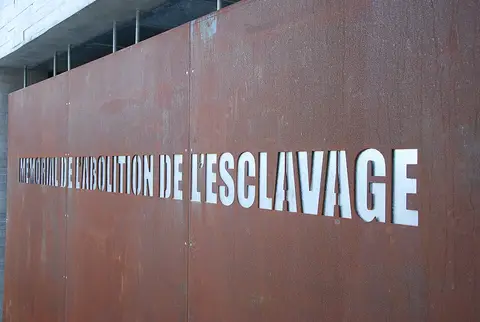
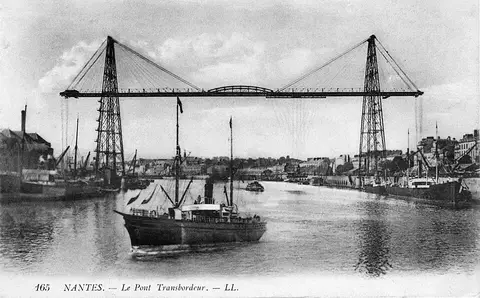
In the Middle Ages, Nantes was one of the capitals of the Duchy of Brittany; Anne of Brittany, who became Queen of France twice, was born here. In 1598, Henry IV signed the Edict of Nantes here, granting religious freedom to the Huguenots. In the 18th century, Nantes was the most important port of the French slave trade, a dark past commemorated today by the Memorial to the Abolition of Slavery on the banks of the Loire. Later, shipyards and biscuit factories such as LU shaped the city. The writer Jules Verne was born here in 1828.
Sights in Nantes
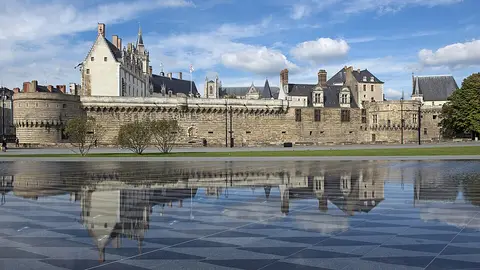
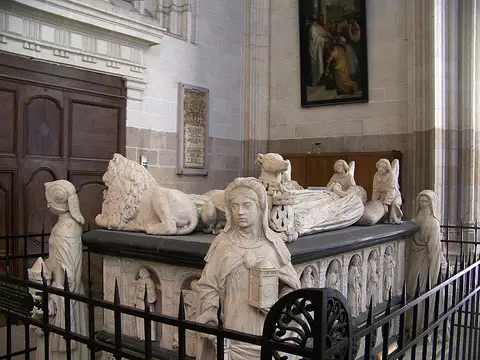
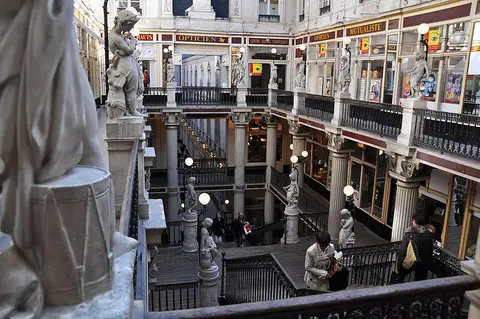
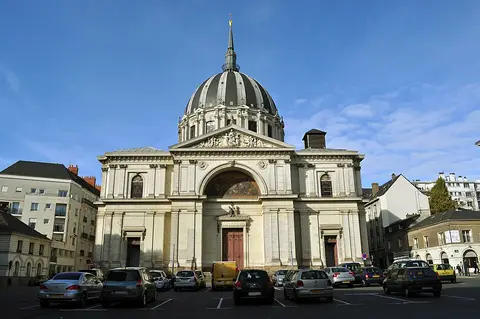
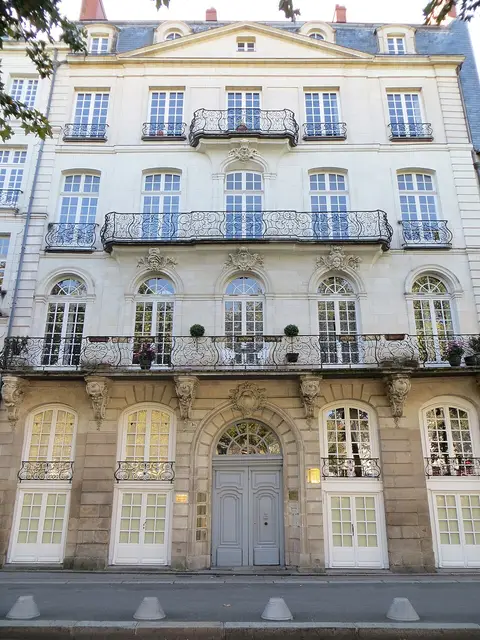
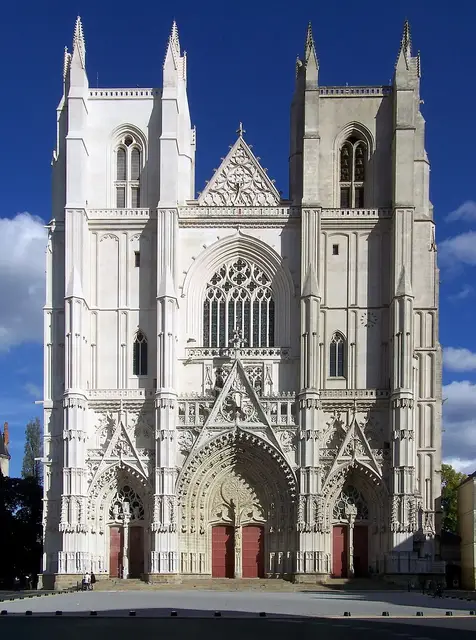
The Château des ducs de Bretagne, with its white walls and moat, houses a city museum that tells the history of Nantes honestly; you can walk along the ramparts for free. The Cathedral of Saint Peter and Saint Paul in the Decré-Cathédrale district holds the tomb of Duke Francis II. In the Graslin-Commerce district you'll find the Passage Pommeraye, a three-story 19th-century shopping arcade with sculptures and staircases, as well as the Théâtre Graslin. The Île Feydeau in the Gloriette-Feydeau district was once an island where wealthy shipowners built houses with ornate balconies; the facades lean today because the ground is giving way. The Tour LU, a remnant of the biscuit factory, is now a cultural center.
Les Machines and Le Voyage à Nantes
On the Île de Nantes, the former shipyard site, Les Machines de l'Île showcases fantastical machines inspired by Jules Verne and Leonardo da Vinci. The Grand Éléphant carries up to 50 passengers, and on the Carrousel des Mondes Marins you ride on sea creatures. Every summer, Le Voyage à Nantes turns the city into an art exhibition: a green line on the ground leads to installations, museums and viewpoints. The Musée d'arts de Nantes is an art museum with works from the Middle Ages to the present day, and the Jules Verne Museum on the Sainte-Anne hillside, with views of the Loire, commemorates the author.
Eating and Going Out
In Nantes, you eat beurre blanc, a butter sauce with shallots, with fish from the Loire, drink Muscadet as your white wine, and finish with gâteau nantais made with rum. LU's Petit Beurre biscuits come from here, as do berlingots, colorful hard candies. The Marché de Talensac is the city's big market. In the evening, people gather in the Bouffay district, with its pubs, crêperies and bars, or at the Quai des Antilles on the Île de Nantes, with views of the Loire and Daniel Buren's rings, which light up at night.
Getting Around and Best Time to Visit
Nantes Atlantique Airport (NTE) is about six miles southwest of the city, and shuttle buses run to the center. The TGV reaches Paris in about two hours. Trams and Navibus ferries across the Loire operate within the city. The best time to visit is summer, during Le Voyage à Nantes. Day trips lead to the Atlantic coast at Saint-Nazaire and Pornic, or along the Loire to wineries.