Aix-en-Provence: Fountains, Cézanne, and the Cours Mirabeau
Travel guide · editorialAix-en-Provence is the city of a thousand fountains, plane trees, and café terraces – and the home of Paul Cézanne, who painted Mont Sainte-Victoire countless times. More elegant than nearby Marseille and livelier than the villages of Provence, Aix is ideal for a city break in the south of France. If you start your Provence vacation here, you'll quickly understand what "art de vivre" really means.
From Thermal Springs to Capital of Provence
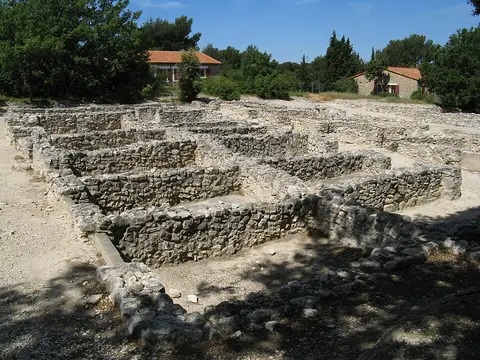
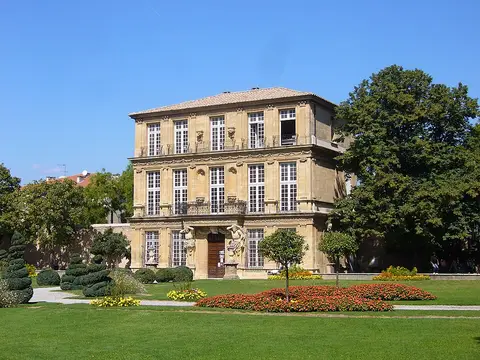
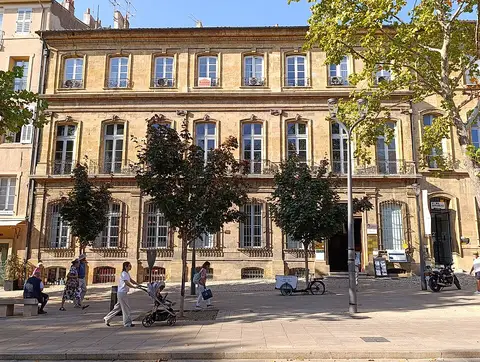
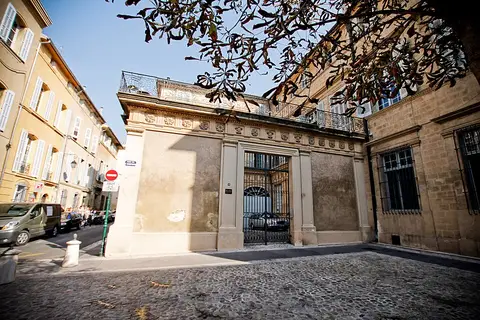
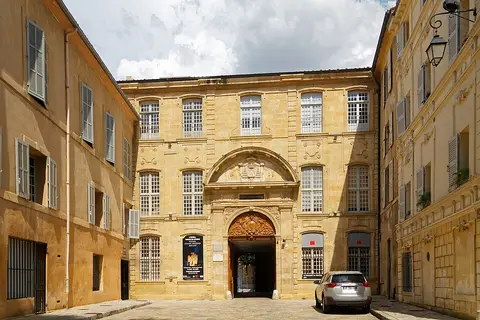
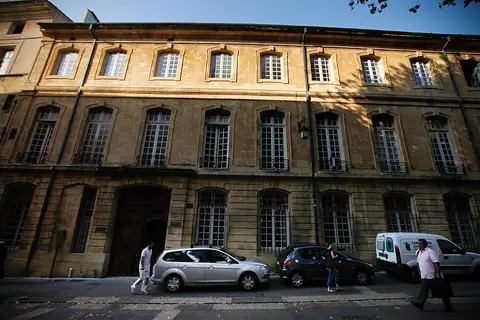
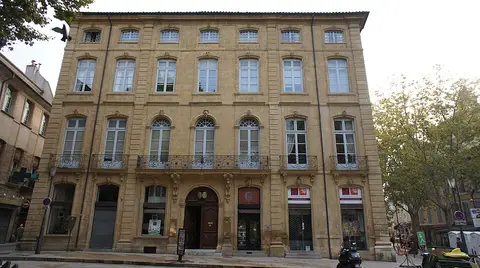
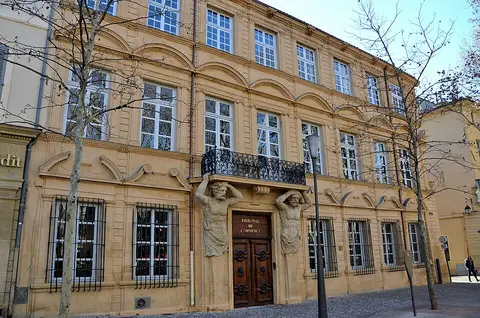
In 122 BC, the Romans founded the settlement of Aquae Sextiae at hot springs – the first Roman base in Gaul. In the Middle Ages, Aix became the capital of the County of Provence, especially under "Good King René" in the 15th century, who championed art and culture. In the 17th and 18th centuries, nobles and judges of the Parliament of Provence had magnificent town mansions built, the hôtels particuliers, which still shape the look of the city today. The university, founded in 1409, keeps Aix a youthful city to this day.
Sights in Aix-en-Provence
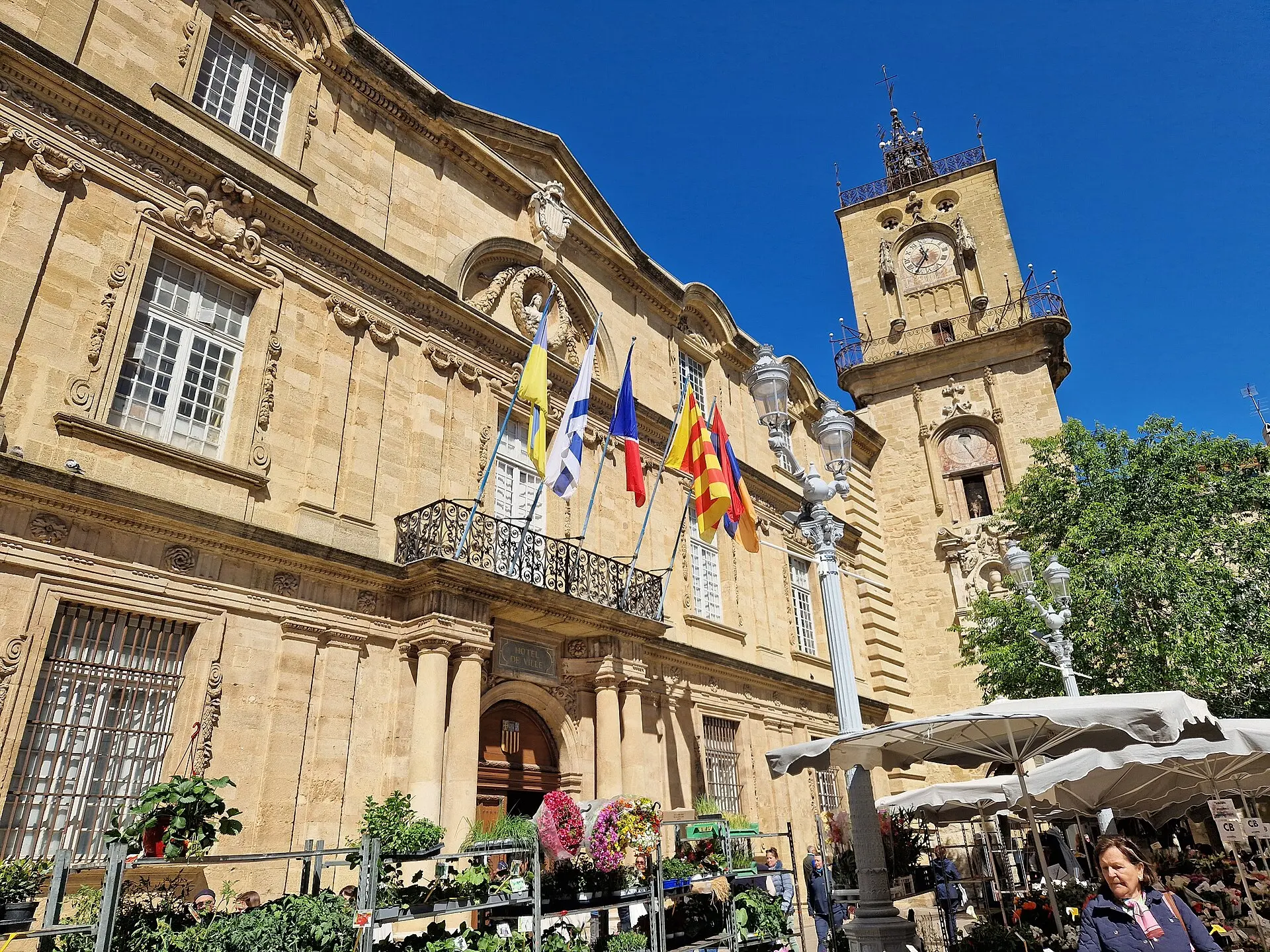
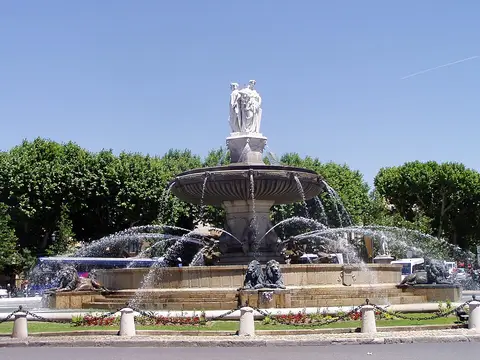
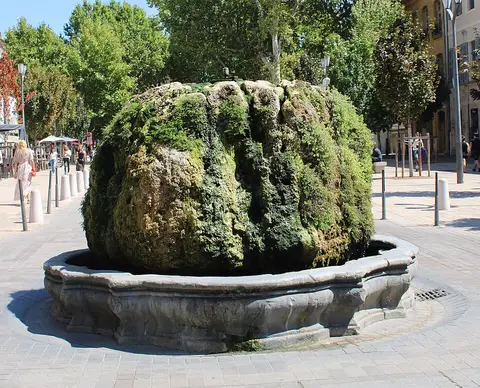
The Cours Mirabeau is the city's grand boulevard, lined with plane trees, fountains, and cafés such as Les Deux Garçons, where Cézanne and Zola once sat. At its end stands the Fontaine de la Rotonde, the city's largest fountain, and halfway along, the moss-covered Fontaine d'Eau Chaude bubbles with warm spring water. To the north lies the old town with the town hall square, the clock tower, and Saint-Sauveur Cathedral, whose architectural styles range from antiquity to the Gothic. To the south stretches the quiet Quartier Mazarin with its aristocratic mansions and the Fontaine des Quatre-Dauphins. The Musée Granet shows works by Cézanne, Picasso, and Giacometti, and the Hôtel de Caumont, set in an 18th-century mansion, hosts changing exhibitions.
In Cézanne's Footsteps
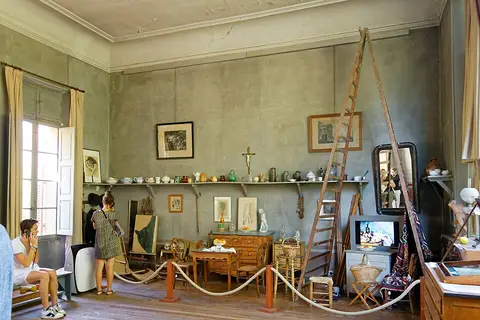
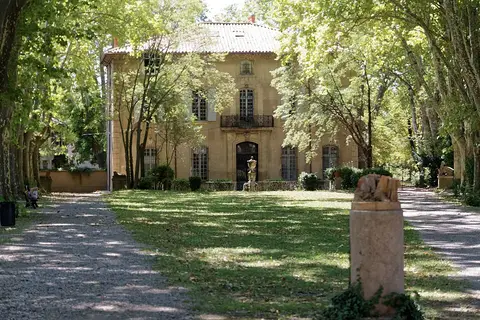
Paul Cézanne was born in Aix in 1839 and worked here for almost his entire life. His studio, the Atelier des Lauves on the edge of town, has been preserved just as he left it in 1906, with the apples, bottles, and jugs he painted. You can also visit the family estate, Jas de Bouffan, and the Bibémus quarries, where he painted his landscapes with their almost Cubist look. Mont Sainte-Victoire, a mighty limestone mountain east of the city, is a popular hiking destination; from the summit cross, you get a sweeping view across Provence.
Food, Markets, and Festivals
Calissons d'Aix, almond-shaped confections made from almonds, candied melon, and sugar glaze, are the city's specialty. The market on Place Richelme takes place every morning, and three times a week there are also large markets on several squares with olives, lavender, cheese, and flowers. The restaurants in Aix serve Provençal cuisine: tapenade, ratatouille, daube, and lamb from the Alpilles. A rosé from the Coteaux d'Aix-en-Provence pairs perfectly. In July, the Festival d'Aix-en-Provence, one of Europe's most important opera festivals, draws visitors from around the world. In the evenings, the bars and terraces are lively thanks to the students.
Getting There and Best Time to Visit
Marseille-Provence Airport (MRS) is about 30 kilometers (19 miles) southwest, and buses take around half an hour. The Aix-en-Provence TGV station is a little outside the city, and Paris is reachable in just over three hours. The old town is best explored on foot. The best times to visit are spring and early fall; in June and July, the lavender blooms on the Plateau de Valensole. Day trips lead to Marseille, Cassis, and the Luberon.