Discover Paris: The Seine, Arrondissements and Bistros
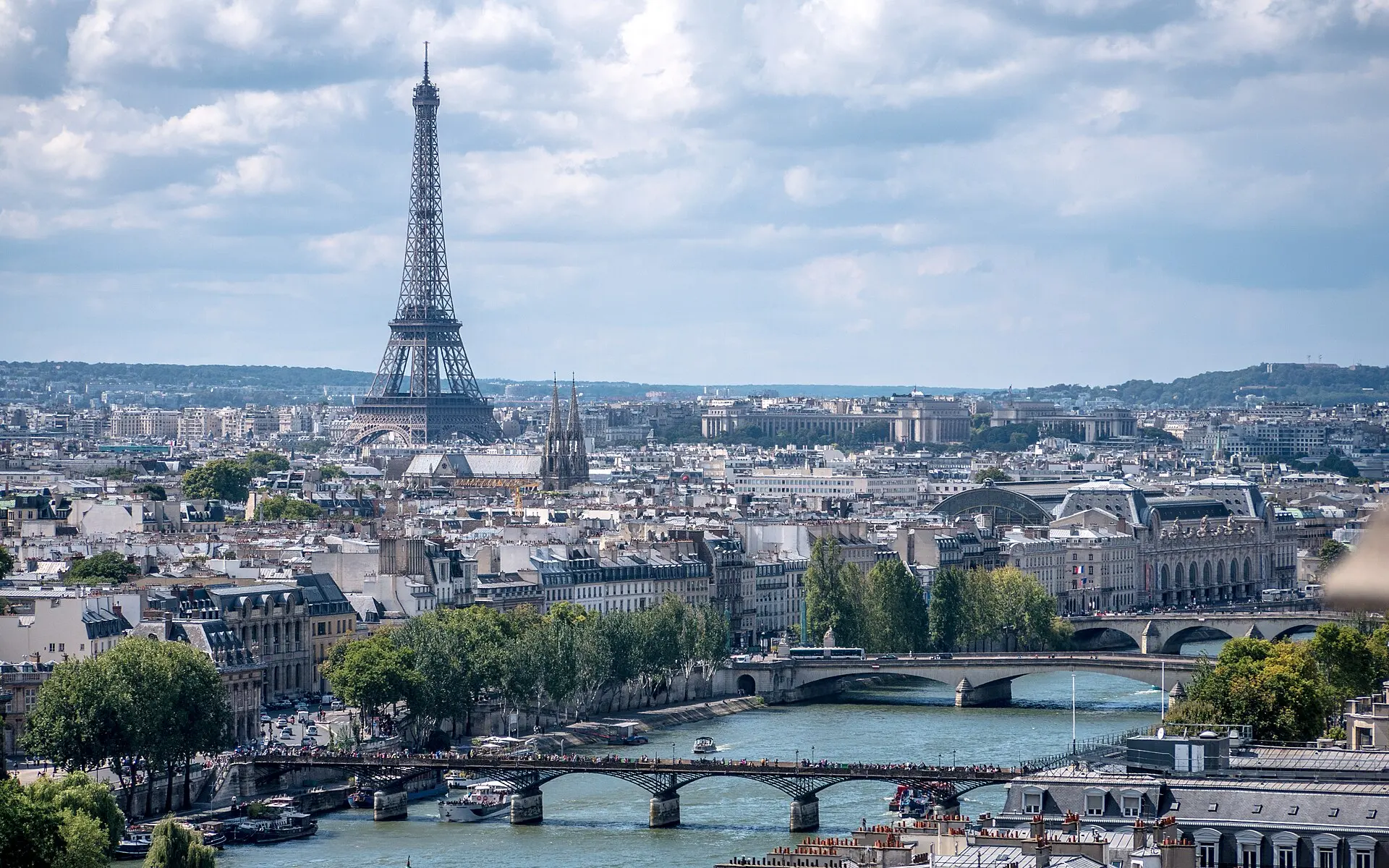
Travel guide · editorialYou can visit Paris ten times and find a different city each time – the city of great museums, of market streets, of hidden courtyards in the Marais, or of the staircases of Montmartre. A city break in Paris usually starts with the postcard views, but the real appeal lies in the twenty arrondissements that spiral out like a snail shell around the Île de la Cité. Whether it's a long weekend or a longer Paris vacation, every hour spent on foot here is worthwhile.
From Lutetia to the Capital of Modernity
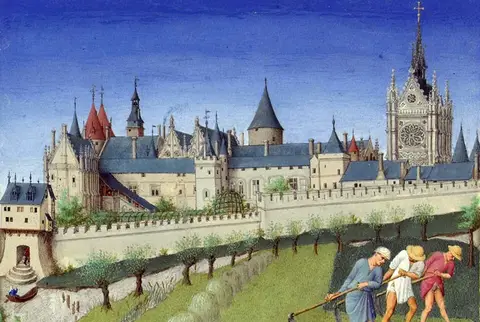
The Celtic tribe of the Parisii settled on the Seine island of Île de la Cité, and the Romans founded Lutetia alongside it; its arena and baths can still be seen in the Latin Quarter. In the Middle Ages, Notre-Dame and the Sainte-Chapelle were built, followed under the kings by the Louvre and eventually Versailles just outside the city. The Revolution of 1789 began with the storming of the Bastille. The Paris that visitors picture today is largely the work of Prefect Haussmann, who from 1853 had broad boulevards cut through the medieval lanes and uniform apartment buildings with zinc roofs erected. World's fairs left behind the Eiffel Tower and the Grand Palais, and modern art was born in the studios of Montmartre and Montparnasse. In 2024, Paris hosted the Olympic Games for the third time and used them to make the Seine cleaner and the city greener.
Sights in Paris
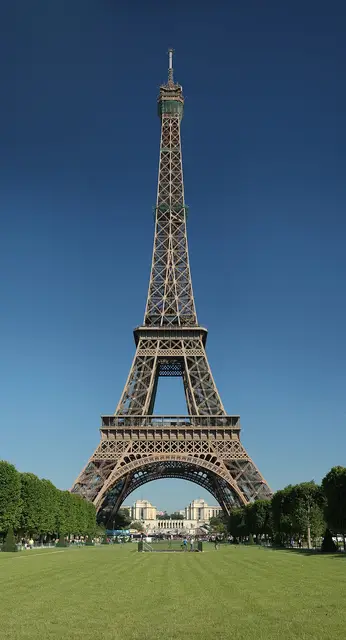
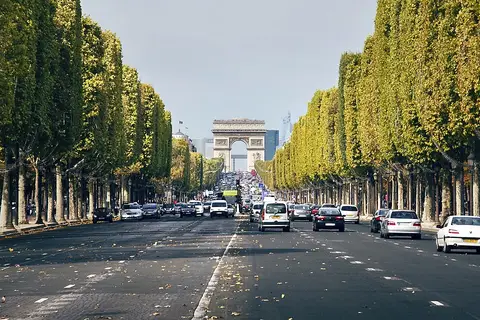
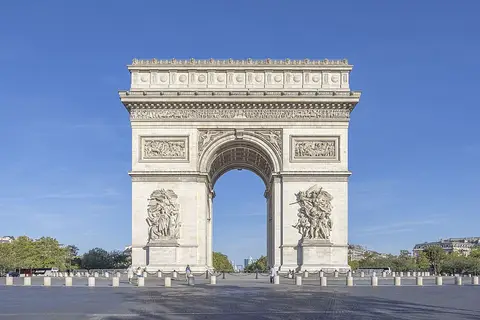
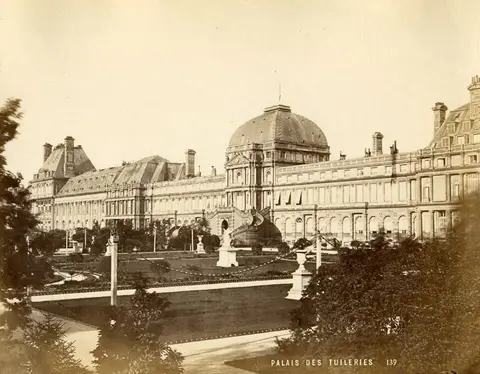
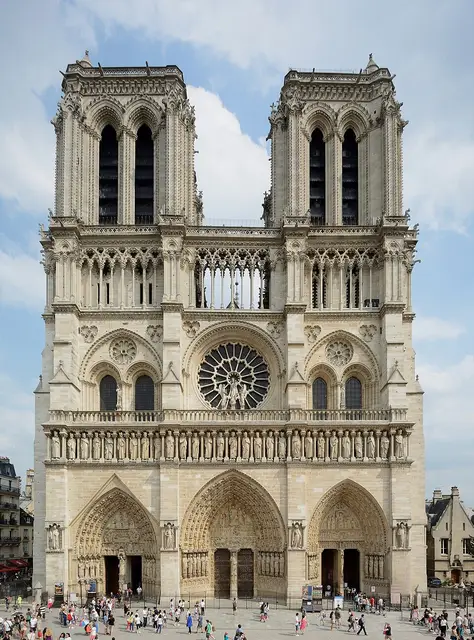
The Eiffel Tower is a must, of course, but it looks best from the Trocadéro or the Champ de Mars, when it sparkles on the hour after dark. Notre-Dame was restored after the devastating fire of 2019 and reopened at the end of 2024 – brighter than ever. Right next door, the Sainte-Chapelle glows with fifty-foot-high stained-glass windows from the 13th century. The axis from the Louvre through the Tuileries, the Place de la Concorde and the Champs-Élysées to the Arc de Triomphe, in the 8th arrondissement, shows Paris as a stage of power. On Montmartre hill in the 18th, the white Sacré-Cœur basilica sits enthroned, with the artists' square Place du Tertre below it and, at the foot of the hill, the Moulin Rouge. The Père-Lachaise cemetery, with the graves of Chopin, Édith Piaf and Jim Morrison, is at the same time a melancholy park.
Museums and Culture
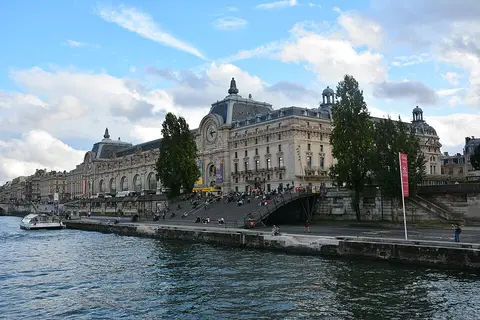
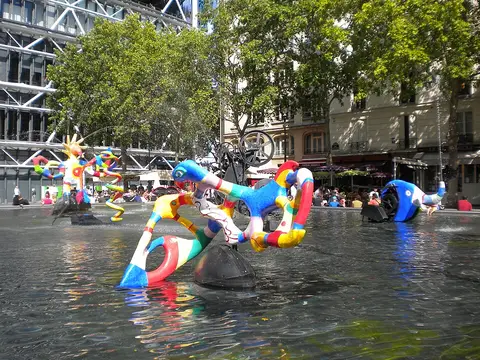
The Louvre in the 1st arrondissement is the most-visited museum in the world, and if you want to see the Mona Lisa, you should book a time slot. The Musée d'Orsay, housed in a former train station, gathers the Impressionists from Monet to Van Gogh, and the Musée de l'Orangerie holds Monet's huge water lily paintings. The Centre Pompidou, with its brightly colored exposed piping, is closed for a multi-year renovation until 2030 at the earliest and is showing parts of its collection elsewhere. Smaller museums such as the Musée Rodin with its sculpture garden, the Musée Picasso in the Marais, or the Fondation Louis Vuitton in the Bois de Boulogne are often more relaxed. In the evening, the Opéra Garnier, jazz cellars in the Latin Quarter and the cinemas beckon, because hardly any city loves film as much as Paris.
Neighborhoods and Arrondissements
The Marais in the 3rd and 4th arrondissements combines aristocratic mansions, the Place des Vosges, Jewish bakeries and boutiques. Saint-Germain-des-Prés in the 6th is the neighborhood of literary cafés, the Latin Quarter in the 5th that of students and bookshops. In the 2nd arrondissement, covered 19th-century passages such as the Galerie Vivienne lie hidden away. The 11th around Oberkampf and the Canal Saint-Martin in the 10th are popular with young Parisians, while Belleville in the 19th and 20th is multicultural and has one of the finest views over the city. The 13th arrondissement is home to the largest Asian quarter in Europe, the 14th to Montparnasse with its tower and the catacombs, where the bones of millions of Parisians rest. The 16th, with its Art Nouveau buildings, feels bourgeois and quiet, and in the 12th the Promenade plantée, a landscaped former railway viaduct, invites you for a stroll.
Eating in Paris: Bistro, Boulangerie and Market
Paris restaurants range from Michelin-starred establishments to the bistro on the corner, where the lunch menu of entrecôte with fries or bœuf bourguignon is often surprisingly affordable. In the morning you pick up a croissant and a baguette at the boulangerie, and at midday perhaps a galette at a Breton crêperie in Montparnasse. Markets such as the Rue Mouffetard, the Marché des Enfants Rouges, the city's oldest covered market, or the Marché d'Aligre in the 12th arrondissement are ideal for buying cheese, wine and fruit for a picnic on the banks of the Seine. Dessert means macarons, éclairs or an ice cream on the Île Saint-Louis. In bars and wine bars, a glass of wine at "apéro" hour can quickly turn into a whole evening.
Parks, Riverbanks and Nightlife
Between sights you need breaks, and Paris has its gardens for that: the Jardin du Luxembourg with its green metal chairs around the pond, the Tuileries, the hilly Parc des Buttes-Chaumont in the 19th arrondissement. Long stretches of the Seine's banks are closed to cars and become one big meeting place on summer evenings, while in July and August Paris Plages brings sand and lounge chairs to the river. At night, young people head to Pigalle and SoPi, around Oberkampf and Bastille, to the bars along the Canal Saint-Martin, or to clubs in converted industrial halls on the outskirts.
Getting Around Paris and the Best Time to Visit
From Charles de Gaulle Airport (CDG), the RER B takes about 35 minutes to reach the center; from Orly (ORY), take Metro line 14. Long-distance trains arrive at six major terminal stations; the Gare de l'Est connects Paris by TGV with Stuttgart and Frankfurt, the Gare du Nord with Brussels, Cologne and London. In the city, the Metro is unbeatably fast, but the loveliest routes are covered on foot or with the Vélib' bike share, and many new bike lanes have been built. The best times to visit are spring and fall; in August many Parisians are on vacation and smaller shops are closed. Day trips lead to Versailles, to Giverny for Monet's garden, or to the Château de Fontainebleau.