Discover Grenoble: The Bastille, the Cable Car, and the Alps
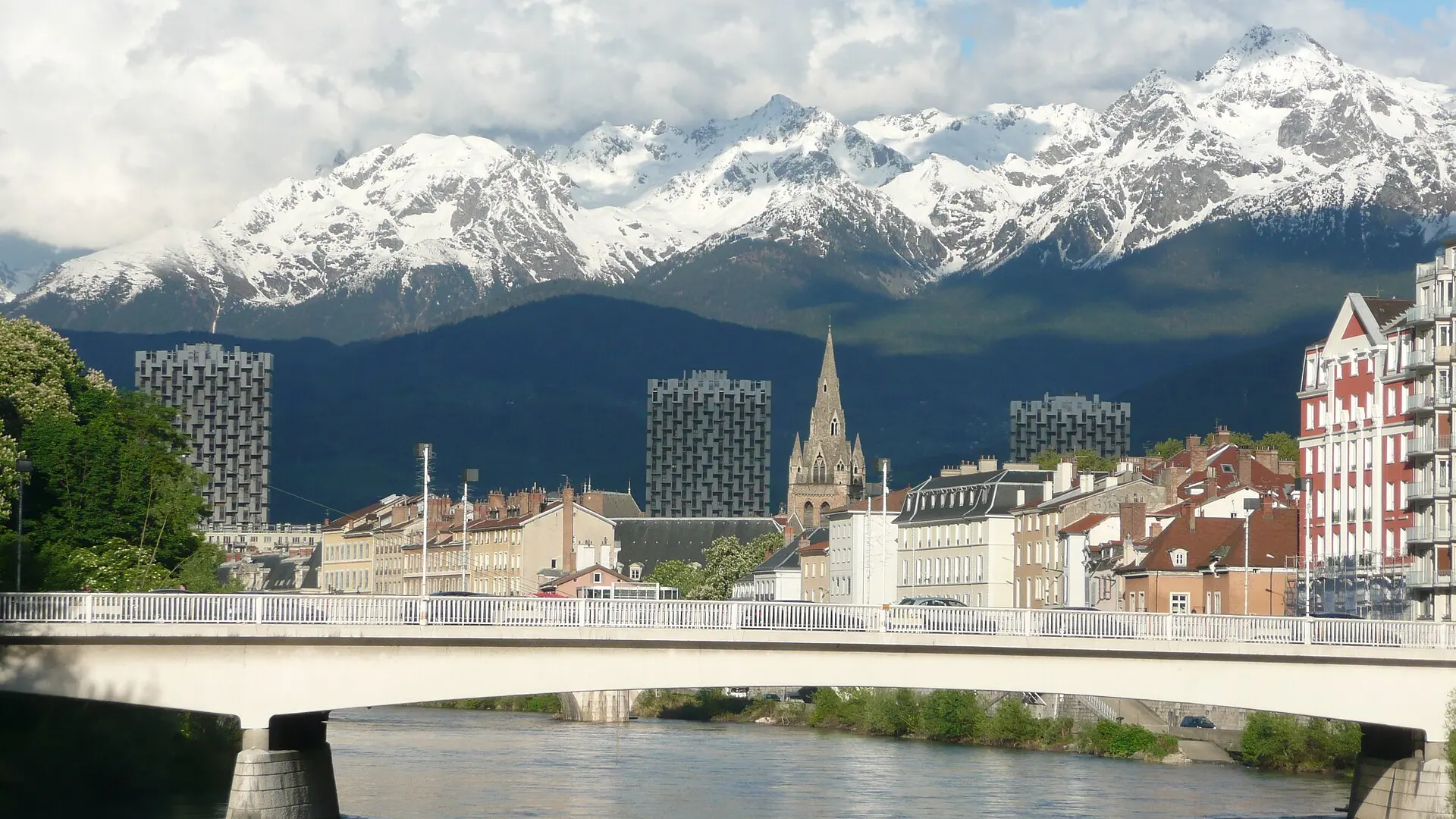
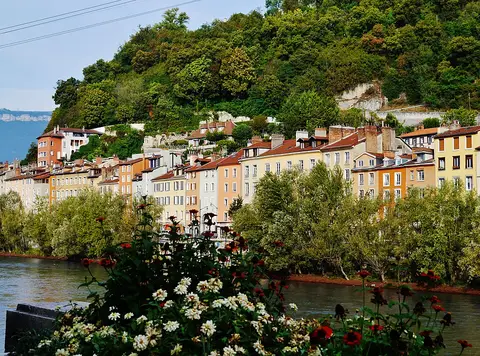
Travel guide · editorialAt the end of almost every street in Grenoble, you see mountains – the city sits in a basin surrounded by three mountain massifs. Grenoble is the capital of the French Alps, a university and research city, and a starting point for hikes and ski tours. A trip to Grenoble is worthwhile for anyone who wants to combine city and mountains.
Sights in Grenoble
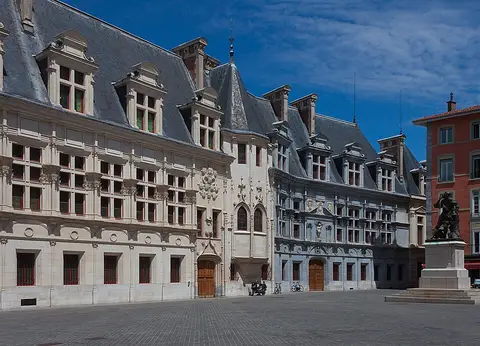
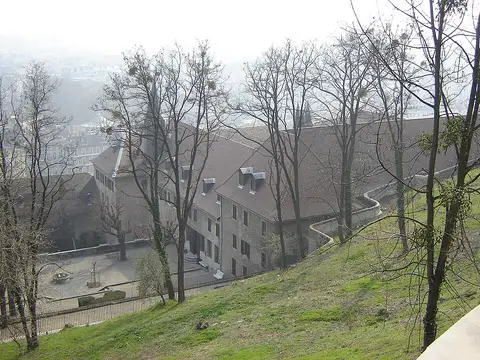
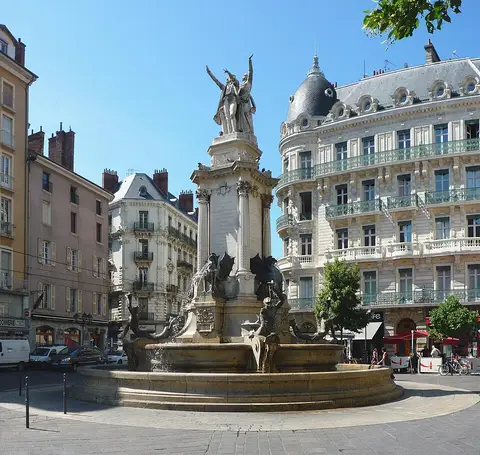
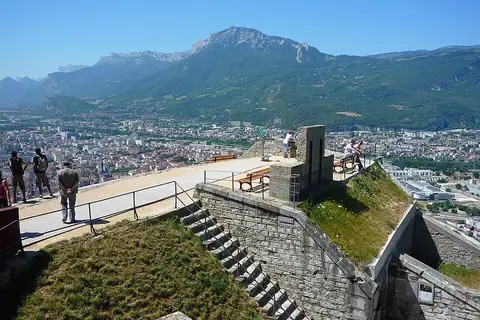
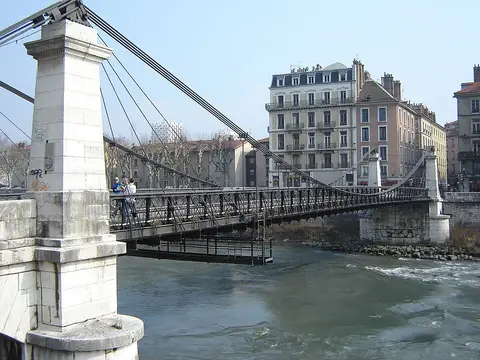
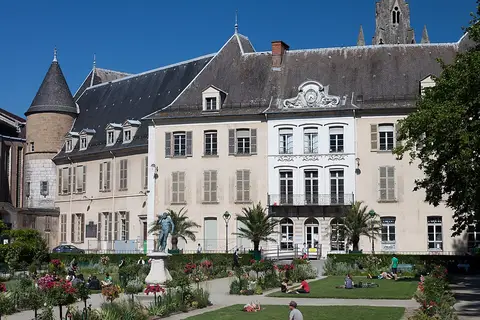
The city's landmark is the Bulles, the spherical cable car gondolas that have run since 1934 from the banks of the Isère up to the Bastille, a 19th-century fortress. At the top, you get a panorama over the city, the Vercors, Chartreuse, and Belledonne massifs, and on clear days all the way to Mont Blanc. You can walk back down on paths through gardens and along the fortress walls. The Old Town in Secteur 1 and 2 around Place Grenette, Place Saint-André, and Place aux Herbes with its market is lively and compact. The Palais du Parlement du Dauphiné is a reminder that Grenoble was the capital of the province of Dauphiné. The Musée de Grenoble is one of the most important art museums in France, with works by Matisse, Picasso, and Chagall, while the Musée Dauphinois, in a convent on the hillside, is devoted to Alpine culture.
History and Research
Grenoble was already a rebellious city in the 18th century: the "Day of the Tiles" in 1788, when citizens threw roof tiles at royal troops from the rooftops, is considered a forerunner of the French Revolution. The writer Stendhal was born here, and the Egyptologist Champollion grew up here. In the 20th century, hydroelectric power and glove making brought prosperity, and the 1968 Winter Olympics took place here. Today, Grenoble is a research center with institutions such as the ESRF synchrotron and the Institut Laue-Langevin, and around 60,000 students live in the city.
Eating and Going Out
The cuisine of the Dauphiné is hearty: gratin dauphinois, potatoes baked in cream; ravioles du Dauphiné, small cheese-filled dumplings; and Grenoble walnuts, which have their own protected designation of origin and are used in cakes and liqueurs. In winter, people eat raclette and fondue made with cheese from the Savoy Alps. Chartreuse, a green herbal liqueur, is made by monks in the nearby massif. In the evening, the Old Town is lively thanks to the many students, especially around Place Notre-Dame and Rue Saint-Laurent on the right bank of the Isère. Restaurants in Grenoble offer high quality for comparatively little money.
Getting Around and Best Time to Visit
The small Grenoble-Alpes-Isère airport (GNB) is served mainly in winter; Lyon-Saint-Exupéry (LYS) is the better option year-round, with buses making the trip in about an hour. The TGV reaches Paris in around three hours. Five tram lines run in the city, and Grenoble has one of the best bike path networks in France. In summer, hikes in the Vercors and Chartreuse beckon; in winter, ski resorts such as Chamrousse, Les Deux Alpes, and L'Alpe d'Huez are about an hour away. Summers in the basin can get very hot, and the high plateaus of the Vercors and the lakes around Laffrey offer welcome relief. If you only have one day, combine the cable car ride up to the Bastille with a stroll through the market at Place aux Herbes.