Corsica: Mountains in the Sea
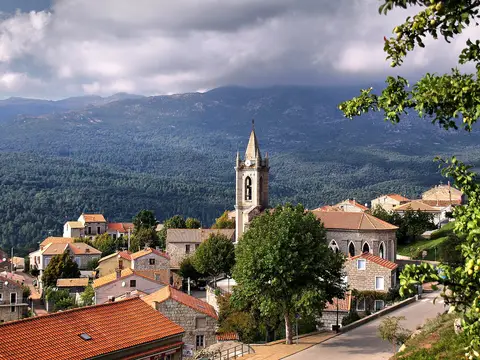
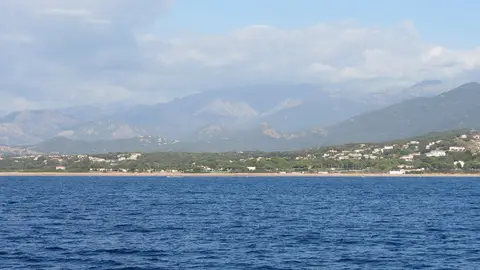
Travel guide · editorialCorsica is an island of mountains: more than 20 peaks rise above 2,000 meters, yet it is often only a few hours from the summits down to bays with turquoise water. A vacation in Corsica combines hikes through maquis and mountain forests with harbor towns, Genoese watchtowers, and a proud island culture.
Landscape Between Sea and Peaks
At around 2,700 meters, Monte Cinto is the island's highest mountain. The GR 20 long-distance trail runs across the mountains in about 15 stages from Calenzana to Conca and is considered one of the most demanding in Europe. On the west coast, the red rocks of the Calanche de Piana plunge into the sea, and the Scandola nature reserve can only be reached by boat. In the south you'll find the beaches of Palombaggia and Santa Giulia; in the north, the Cap Corse peninsula with its fishing villages and the Agriates, a desert of maquis and rock. The scent of myrtle, rockrose, and everlasting flowers has earned Corsica the nickname "Isle of Beauty."
Cities and Towns
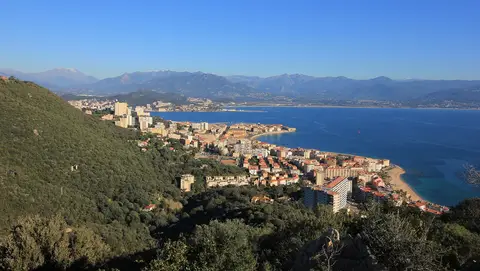
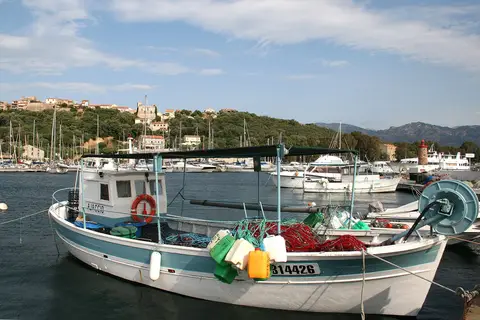
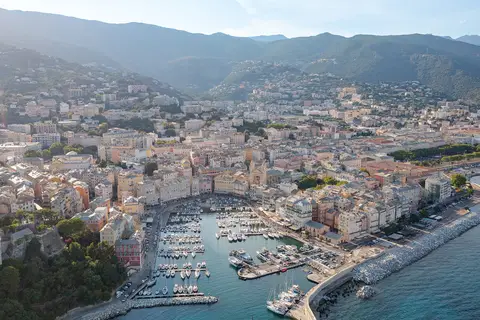
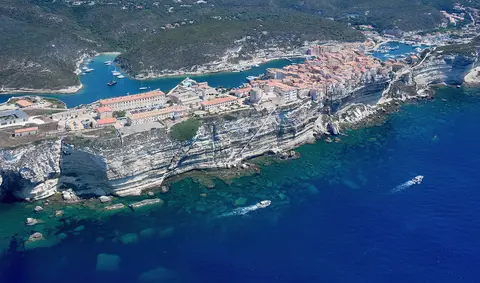
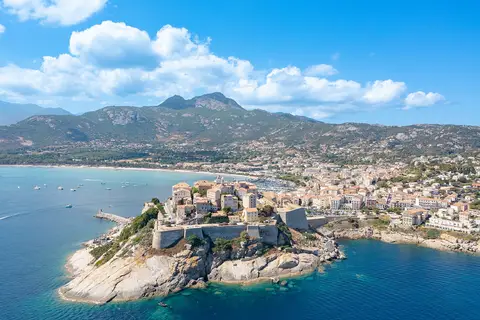
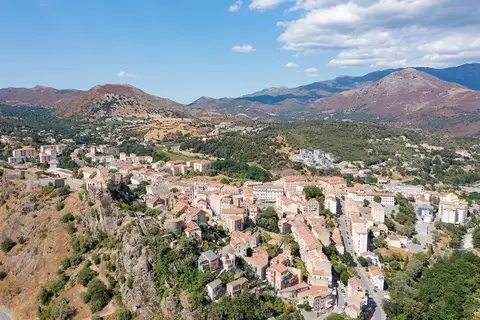
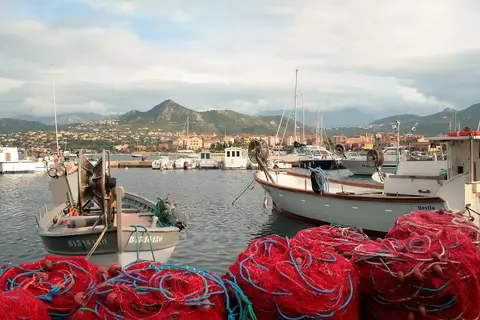
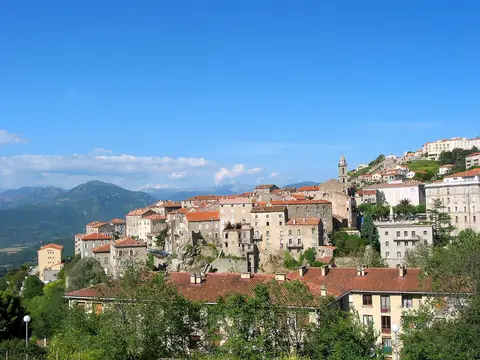
Ajaccio is Napoleon's birthplace; his childhood home is now a museum, and the Musée Fesch displays one of the largest collections of Italian painting in France. Bastia, with its Old Port and citadel, feels more Italian than the south. Bonifacio perches on white limestone cliffs above the sea, with Sardinia lying opposite. Porto-Vecchio is the center of beach tourism in the south, Calvi draws visitors with a citadel above the bay, and L'Île-Rousse with its reddish rocks and a market. Corte in the island's interior was the capital of independent Corsica under Pasquale Paoli in the 18th century and is now a university town. Sartène is said to be the "most Corsican of all Corsican towns."
Other popular Corsica destinations include the Cap Corse peninsula with fishing villages such as Centuri and Nonza, the mountain village of Pigna in the Balagne region with its craftspeople, and the Restonica Gorge near Corte with its mountain lakes. The Lavezzi Islands off Bonifacio and the Gulf of Porto, which together with Scandola and Girolata is a UNESCO World Heritage site, can be explored by boat.
Culture and Cuisine
Corsican, a language related to Tuscan, appears on road signs. The multi-voice songs of Corsican polyphony are a hallmark of island culture. Chestnuts play a major role in the cuisine, used as flour for polenta and pastries, alongside sausages such as figatellu and lonzu, the sheep's and goat's milk cheese brocciu, and wild boar. Wines from Patrimonio and Ajaccio as well as Muscat du Cap Corse are well known.
The island's history has been shaped by the Genoese, the Pisans, and the period of independence under Pasquale Paoli, before Corsica became part of France in 1768. Genoese watchtowers still line the coast, and menhirs such as those at Filitosa bear witness to a far older culture.
Getting There and Best Time to Visit
Ferries connect Corsica with Marseille, Nice, Toulon, Livorno, and Genoa; the airports at Ajaccio, Bastia, Calvi, and Figari also receive seasonal flights from Germany. A narrow-gauge railway links Ajaccio, Corte, Bastia, and Calvi. The best time to visit is May to June and September to October; in high summer, beaches and mountain trails are very crowded.