Discovering Montpellier: the Écusson, the Comédie and the Mediterranean
Travel guide · editorialMontpellier is one of the fastest-growing cities in France – young, sunny and delightfully relaxed. Tens of thousands of students live here, the trams are painted in bright colors, and the Mediterranean is just a short ride away. A city break in Montpellier combines a medieval old town with strikingly new architecture and plenty of joie de vivre.
A City of Medicine
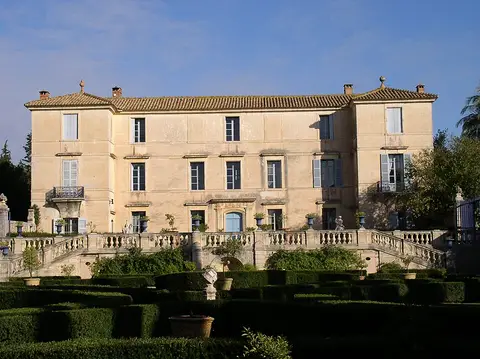
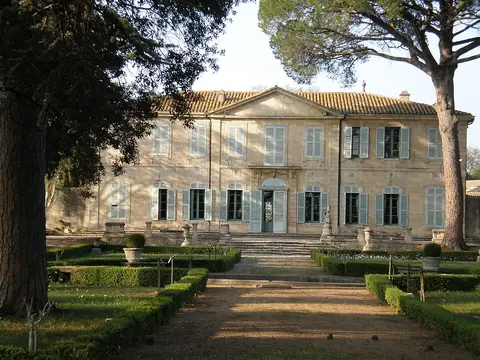
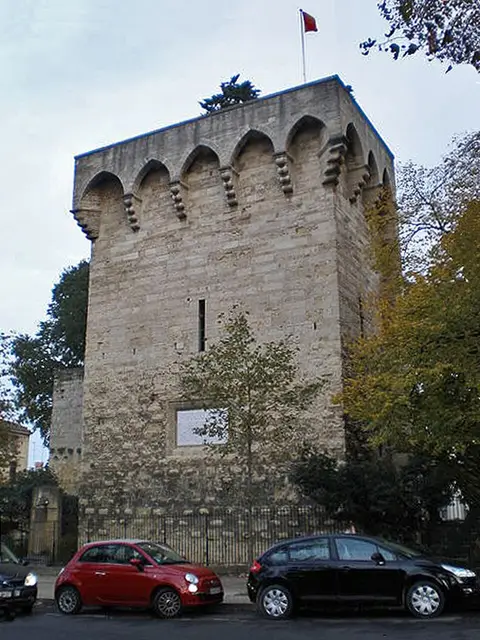
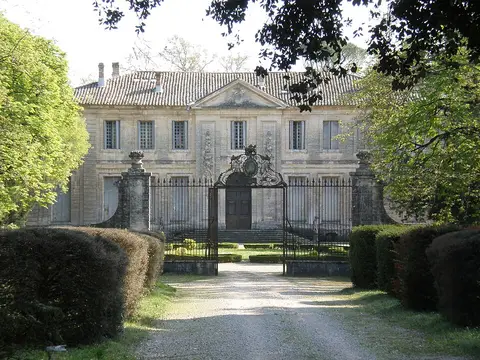
Montpellier was not founded until the 10th century, which is late for a city in southern France. It quickly developed into a trading center with connections throughout the Mediterranean. The medical school, founded in the 13th century, is the oldest still in operation in the Western world; the physician and seer Nostradamus and the writer François Rabelais both studied here. In the 17th and 18th centuries, Montpellier became the administrative capital of the Languedoc, and wealthy families built magnificent town mansions known as hôtels particuliers.
Sights in Montpellier
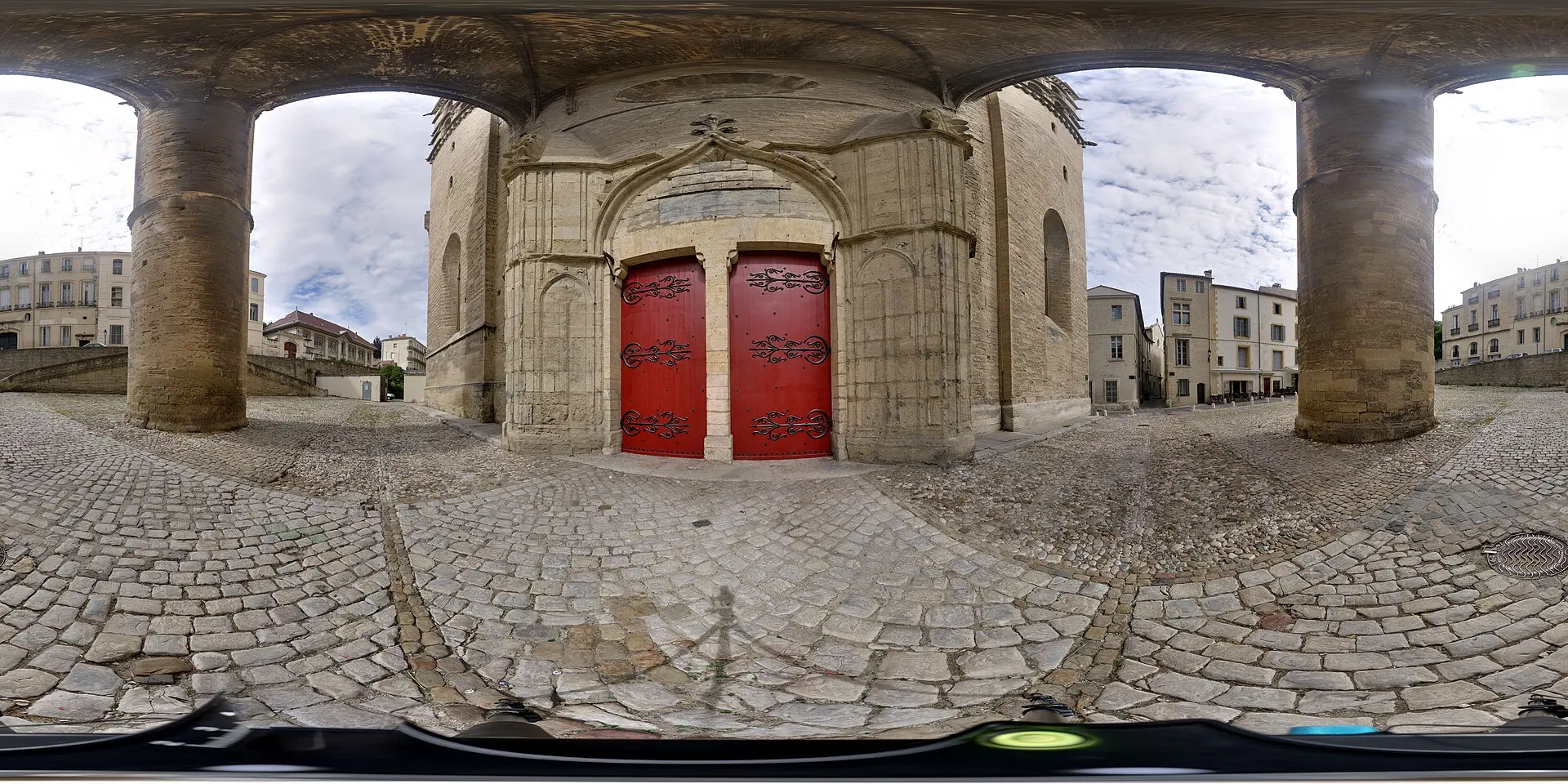
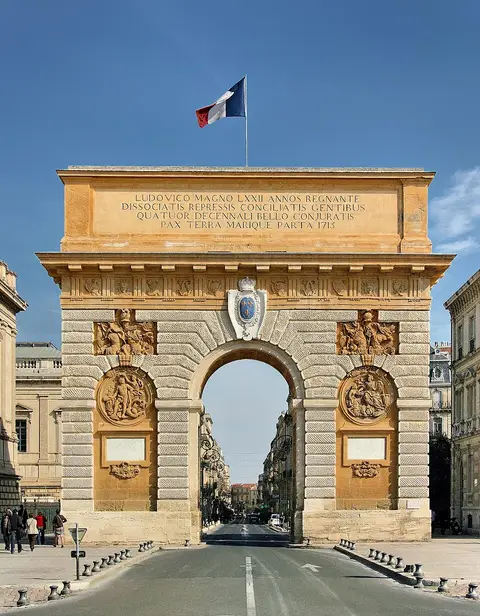
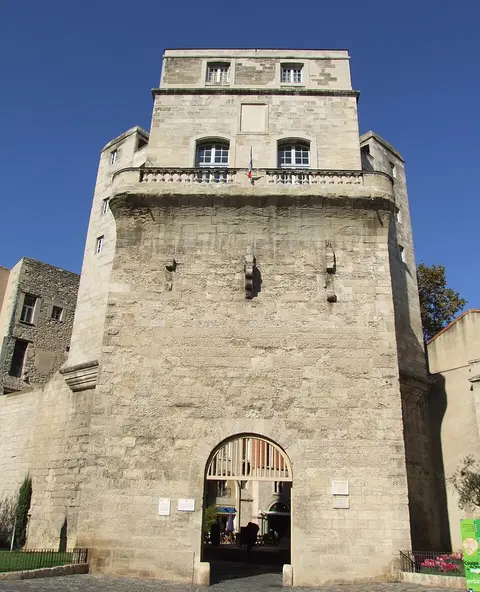
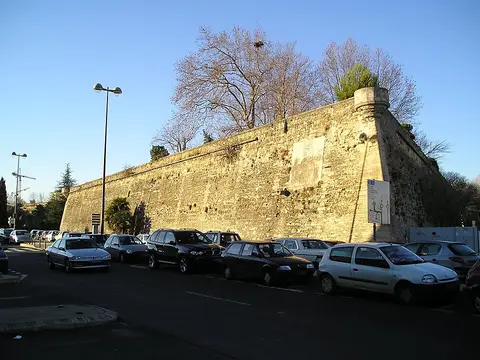
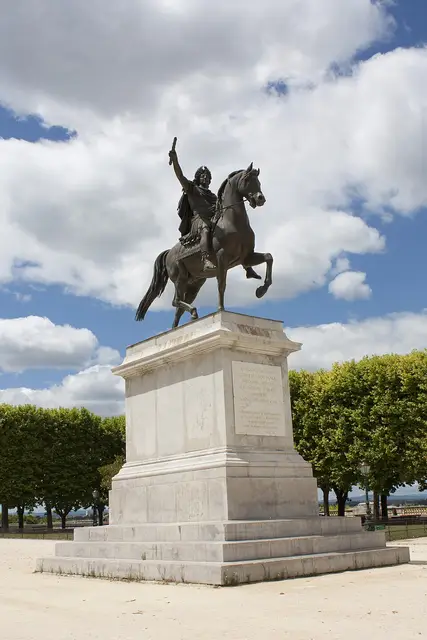
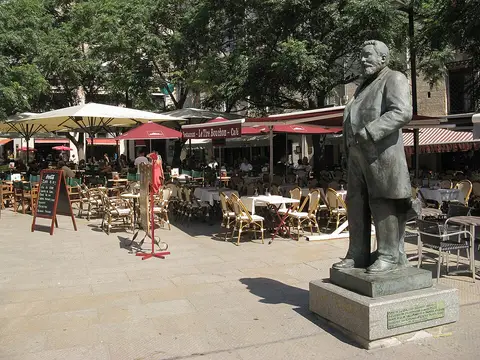
The Place de la Comédie, with its opera house, Three Graces fountain and cafés, is the heart of the city and one of the largest pedestrian squares in Europe. From here you can head into the Écusson, the winding old town in the Centre Historique, whose layout resembles a coat-of-arms shield. Here you'll find Saint-Pierre Cathedral, with its unusual porch resting on two massive columns, and many hôtels particuliers with hidden courtyards. The Promenade du Peyrou, with its triumphal arch, equestrian statue of Louis XIV and 18th-century aqueduct, offers wide views all the way to the Cévennes. The Jardin des Plantes, laid out in 1593, is the oldest botanical garden in France. The Musée Fabre shows European painting, including a large collection of works by Pierre Soulages.
Neighborhoods and Modern Architecture
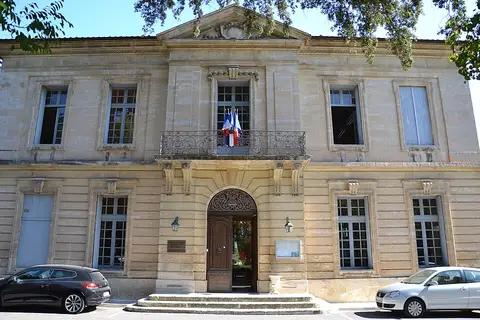
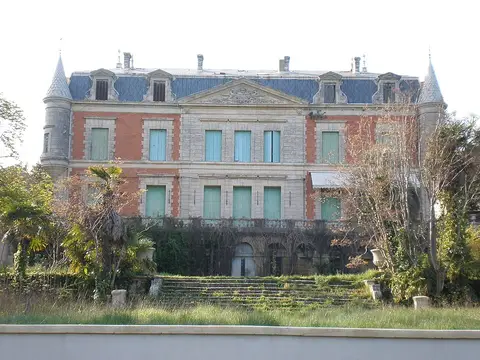
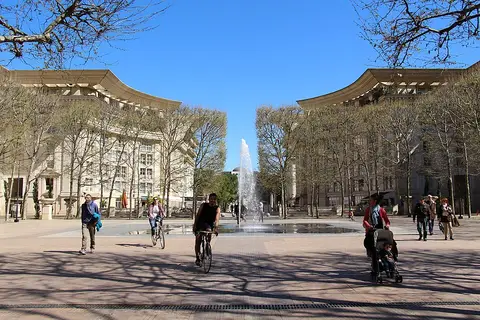
East of the Comédie begins the Antigone district, a neoclassical ensemble designed by architect Ricardo Bofill in the 1980s that leads down to the Lez River. Farther southeast, in Port Marianne, bold buildings are rising, such as the city hall by Jean Nouvel and the residential tower L'Arbre Blanc with its cantilevered balconies. The Gares district around Saint-Roch station and the lively Beaux-Arts neighborhood to the north, with its cafés and markets, show everyday Montpellier. The university campus, with its hospitals and research institutions, lies around Hôpitaux-Facultés.
Food, Markets and Nightlife
The cuisine of the Languedoc thrives on olive oil, vegetables and seafood: tielle sétoise, a spicy octopus pie from nearby Sète, oysters from the Thau Lagoon and brandade made from salt cod. Wines from the Languedoc and Pic Saint-Loup are the perfect match. Market halls such as the Halles Castellane and the Marché des Arceaux beneath the aqueduct offer regional products. Thanks to the students, nightlife around Place Jean-Jaurès and the lanes of the Écusson is lively, and in summer festivals such as Montpellier Danse draw an international audience.
Getting Around and Best Time to Visit
Montpellier–Méditerranée Airport (MPL) is about 8 kilometers southeast of the city, and a bus connects it with the tram. Five tram lines serve the city, and since late 2023 they have been free for residents of the metropolitan area. Paris is about three and a half hours away by TGV. The beaches of Palavas-les-Flots and Carnon are only about 10 kilometers away. The best time to visit is spring and fall; summers get hot.