Discover Lyon: Traboules, Bouchons, and Two Rivers
Travel guide · editorialLyon claims to be the capital of gastronomy – and after an evening in a bouchon, hardly anyone disagrees. France's third-largest city lies at the confluence of the Rhône and Saône, between two hills, and preserves a Renaissance old town that ranks among the largest in Europe. A city break in Lyon is a trip for food lovers, architecture fans, and strollers.
From Lugdunum to the City of Silk
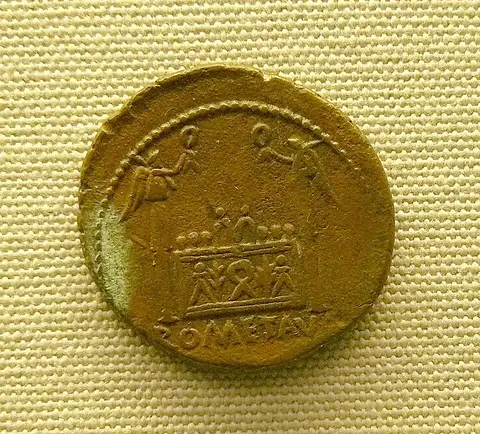
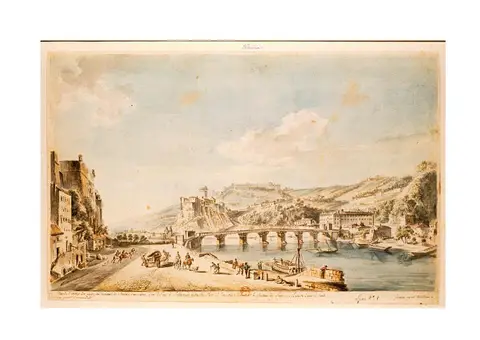
In 43 B.C., the Romans founded the city of Lugdunum on Fourvière Hill, which soon became the capital of Gaul; Emperor Claudius was born here. The two Roman theaters on the hillside are used in summer for the Nuits de Fourvière festival. In the 15th and 16th centuries, trade fairs and banks made Lyon rich, and Italian merchants built the magnificent houses of the old town. From the 16th century on, the city became the capital of silk: on Croix-Rousse Hill, thousands of canuts wove on Jacquard looms, and their uprisings in the 19th century went down in the history of the labor movement. Cinema, too, has its origins here – the Lumière brothers shot one of their first films in Lyon in 1895.
Sights in Lyon
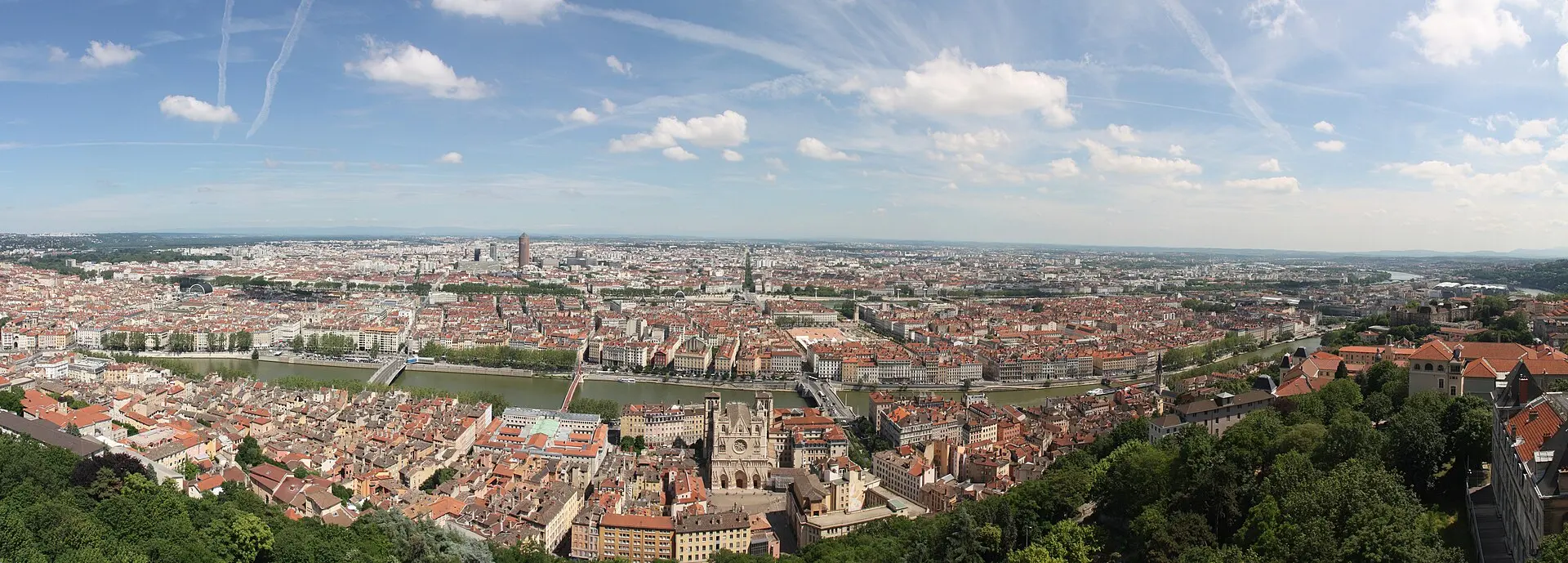
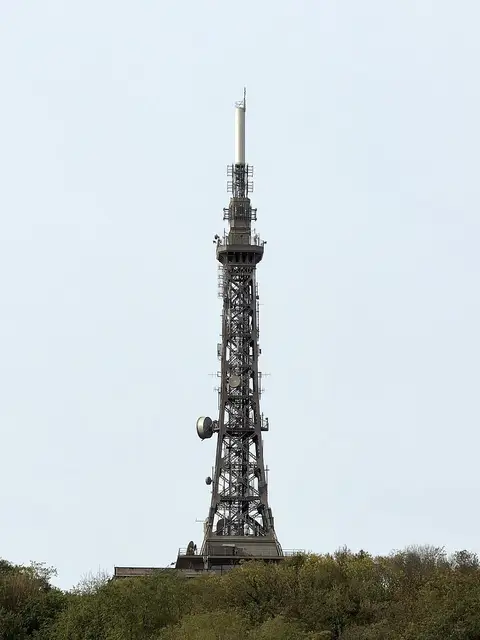
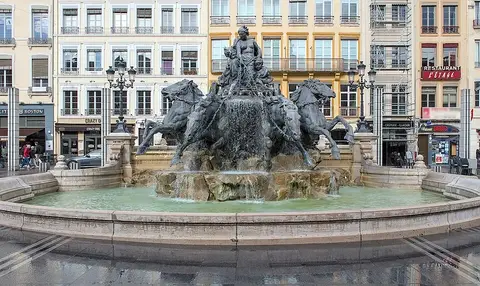
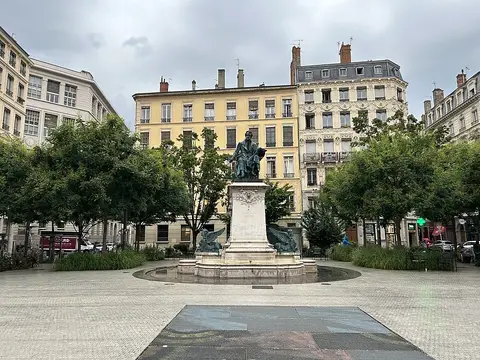
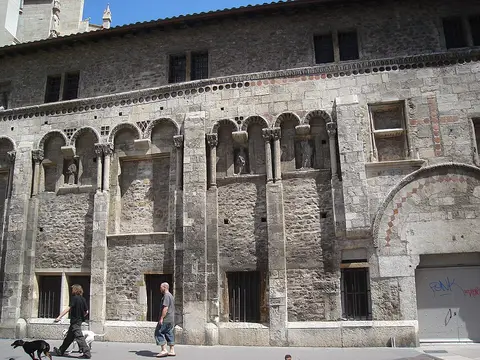
The Basilica of Notre-Dame de Fourvière, with its opulent mosaic interior, towers over the city and can be reached by funicular; on a clear day, you can see all the way to Mont Blanc from the terrace. Down below in the 5th arrondissement lies Vieux Lyon with Saint-Jean Cathedral and the traboules, hidden passageways that lead through houses and courtyards from one alley to the next – some are open to the public, including the Tour Rose. On the peninsula between the rivers, the Presqu'île in the 2nd arrondissement, you'll find the vast Place Bellecour with its equestrian statue of Louis XIV, the Place des Terreaux with the town hall and the Bartholdi Fountain in the 1st arrondissement, and the Musée des Beaux-Arts, one of France's most important art museums. At the southern tip of the peninsula stands the Musée des Confluences, a futuristic glass-and-steel building devoted to natural science and anthropology.
Neighborhoods: Croix-Rousse, Presqu'île, and Part-Dieu
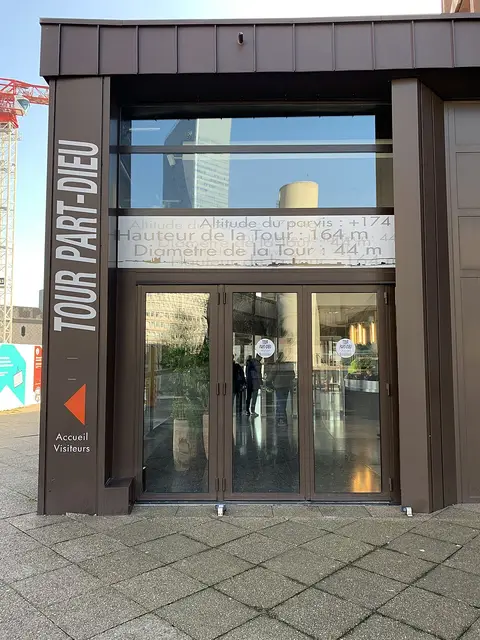
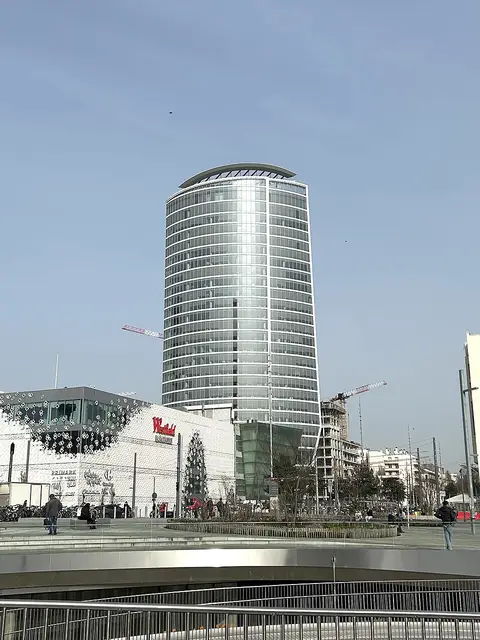
Croix-Rousse Hill in the 1st and 4th arrondissements was the silk weavers' neighborhood; its tall houses with large windows had room for the looms. Today you'll find small shops, a lovely market on the boulevard, and huge murals such as the Fresque des Canuts. The 3rd arrondissement, with the Part-Dieu business district and the market hall of the same name, is modern, while the 6th, home to the Parc de la Tête d'Or, one of France's largest city parks with a free zoo, is elegant and upper-middle-class. The 7th arrondissement, around La Guillotière, is multicultural and full of students, and along the banks of the Rhône, promenades and bars on houseboats invite you to linger. In the 8th arrondissement, the Institut Lumière commemorates the inventors of cinema.
Eating in Lyon: Bouchons and Paul Bocuse
A bouchon is a traditional Lyon tavern with checkered tablecloths and hearty cooking: saucisson brioché, a sausage baked in brioche; quenelles de brochet, pike dumplings in crayfish sauce; tablier de sapeur, breaded tripe; and cervelle de canut, a fresh cheese with herbs. You wash it down with a "pot," a 46-centiliter bottle of Beaujolais or Côtes du Rhône. The market hall Les Halles de Lyon Paul Bocuse, named after the famous chef, brings together top-quality cheese, oysters, charcuterie, and pralines. For dessert, there's the pink praline tart, tarte aux pralines. Restaurants in Lyon range from the simple bouchon to Michelin-starred dining.
Fête des Lumières and Going Out
Around December 8, Lyon celebrates the Fête des Lumières: originally, residents placed candles in their windows in thanks to the Virgin Mary; today, light artists transform facades, squares, and parks into works of art, and millions of visitors come. In the evening, people gather along the banks of the Rhône, in Vieux Lyon, or on the Croix-Rousse.
Getting Around and Best Time to Visit
Saint-Exupéry Airport (LYS) is about 15 miles (25 km) to the east, and the Rhônexpress express tram takes about 30 minutes to reach Part-Dieu station. Paris is about two hours away by TGV. Four metro lines, trams, and funiculars connect the neighborhoods. The best times to visit are spring and fall, and December for the Festival of Lights. Excursions lead to the Beaujolais region, to Pérouges, or to the Alps.