Discover Poland: Cities, the Baltic Sea and the Tatras
Travel guide · editorialA vacation in Poland is often just a few hours' drive from Germany, yet it is surprisingly varied: brick Gothic in Gdańsk, Renaissance in Kraków, dunes on the Baltic coast and granite peaks in the Tatras. Add to that cities that have changed enormously over the past twenty years, and a cuisine that can do far more than pierogi.
Kraków and the South
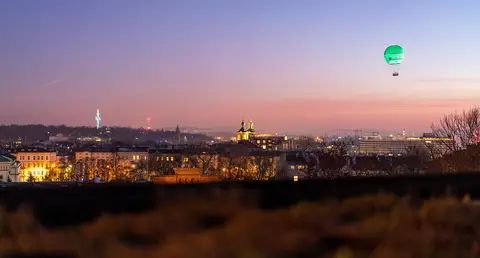
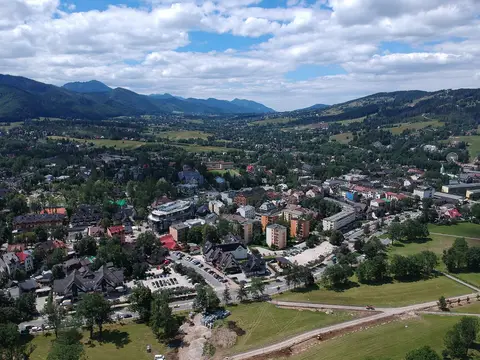
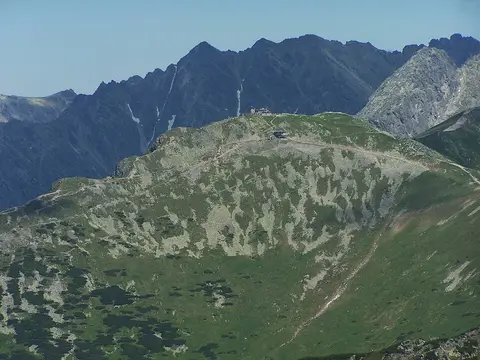
Kraków was the capital until 1596 and remained largely unscathed in World War II. The Rynek Główny, one of the largest medieval market squares in Europe, is dominated by the Cloth Hall and St. Mary's Basilica, where a trumpeter plays the Hejnał from the tower every hour, breaking off in the middle of the melody. Wawel Hill is home to the Royal Castle and the cathedral. The former Jewish quarter of Kazimierz is now full of cafés and bars, while the old synagogues recall its history. About 44 miles (70 km) to the west lies the Auschwitz-Birkenau Memorial, a place for which you should allow plenty of time and quiet; guided tours are recommended and should be booked in advance. Closer to Kraków is the Wieliczka Salt Mine, with underground chapels whose chandeliers are made of salt crystals. Farther south, below the High Tatras, Zakopane is the starting point for hikes to the mountain lake Morskie Oko or up Kasprowy Wierch. The wooden houses in the Zakopane style and the smoked sheep's cheese oscypek, available at every street stall, are part of the region's image.
Gdańsk, Wrocław, Poznań: Polish Destinations Rich in History
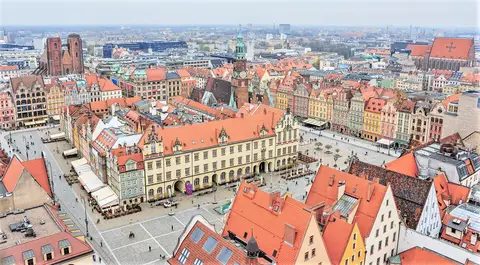
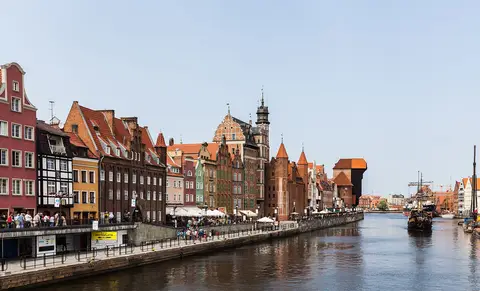
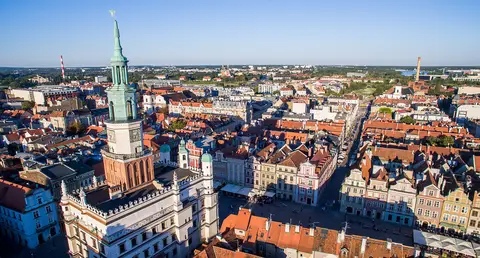
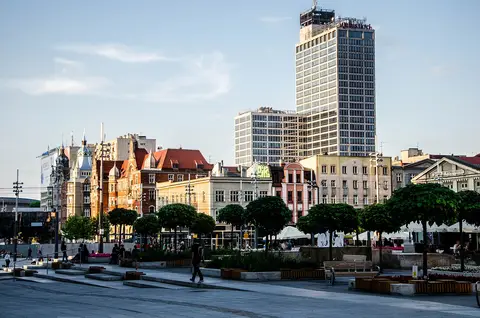
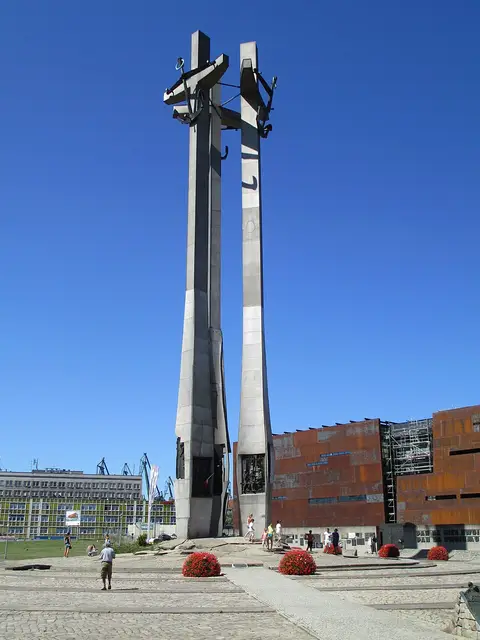
Gdańsk on the Baltic Sea forms the Tricity together with Sopot and Gdynia. Long Street with the Neptune Fountain, the wooden Crane Gate on the Motława River and St. Mary's Church shape the Main Town, which was painstakingly rebuilt after 1945. The Solidarity movement began at the shipyard in 1980; the European Solidarity Centre tells that story just as impressively as the Museum of the Second World War. Wrocław is a city of bridges and islands on the Oder River. A Gothic town hall stands on the market square, and small bronze dwarfs, now numbering several hundred, are tucked away all over the city, and children and adults alike hunt for them. In Poznań, every day at noon, two mechanical goats butt horns on the town hall tower. Szczecin on the Oder is barely 93 miles (150 km) from Berlin, and Katowice, in the Upper Silesian industrial region, has reinvented itself with a new concert hall and the Silesian Museum in a former coal mine.
Warsaw: The Rebuilt Capital
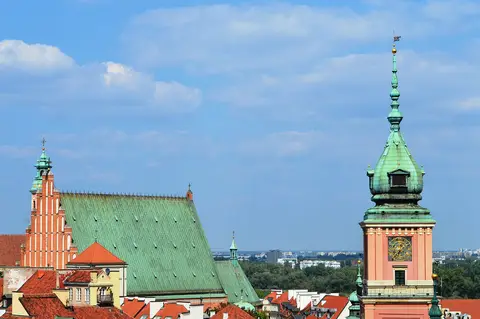
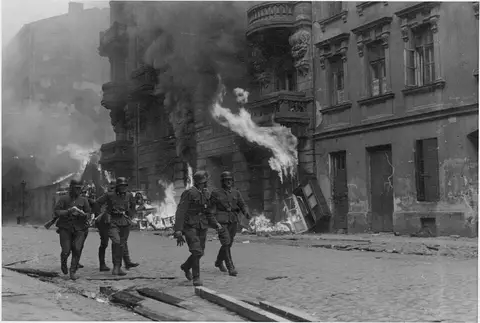
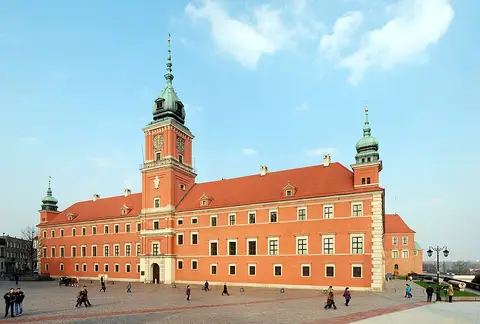
Warsaw was largely destroyed in World War II. The Old Town was reconstructed from paintings, photographs and plans, and today it is on the UNESCO list as an example of a successful reconstruction. The city is also a place of skyscrapers, from the Palace of Culture and Science, a gift from Stalin, to the glass towers in the Wola district. The Warsaw Uprising Museum and the POLIN Museum of the History of Polish Jews are among the best museums in the country. On weekends, Varsovians head to Łazienki Park, where free Chopin concerts take place on Sundays in summer at the composer's monument.
The Baltic Coast, Masuria and National Parks
The Polish Baltic coast is roughly 310 miles (500 km) long and almost entirely sandy beach. Świnoujście lies on Usedom, and in Słowiński National Park near Łeba, dunes up to 130 feet (40 m) high shift across the landscape. The Hel Peninsula is a haven for kitesurfers. In the northeast lie the Masurian Lakes, with more than 2,000 lakes connected by canals where you can travel by houseboat or kayak. In Białowieża Forest on the border with Belarus, free-roaming European bison live in the wild. Among the lesser-known sights in Poland are the wooden churches of Lesser Poland and the Churches of Peace in Świdnica and Jawor, both UNESCO World Heritage Sites.
Polish Cuisine
Pierogi come filled with potato and quark, with sauerkraut and mushrooms, or, in summer, sweet with blueberries. Żurek, a sour rye soup with sausage and egg, is often served in a hollowed-out loaf of bread. Bigos, a stew of sauerkraut, meat and mushrooms, tastes best on the third day. In milk bars, known as bar mleczny, you can still eat dishes like these at low prices. For breakfast there are fresh rolls and quark with chives, and in Kraków you can pick up the pretzel-like obwarzanek at a street stall. Poland has a strong vodka tradition, from herb vodka flavored with bison grass to cherry liqueur, but craft beer and wine bars have also taken hold in the cities. There are now vineyards in Lower Silesia and around Zielona Góra.
Getting There and Getting Around in Poland
The major airports are Warsaw Chopin (WAW), Kraków (KRK), Gdańsk (GDN), Wrocław (WRO) and Katowice (KTW). EuroCity trains run from Berlin to Warsaw and Gdańsk, and from Dresden to Wrocław. Within the country, the state railway PKP Intercity is fast and inexpensive, and Pendolino trains connect Warsaw with Kraków in just over two hours. Motorways and expressways are partly toll roads, with electronic payment on some sections. You pay in złoty; euros are rarely accepted, but card payment is possible almost everywhere.
Best Time to Visit Poland
The best time to visit Poland is from May to September. In July and August, temperatures are usually between 72 and 81°F (22 to 27°C), and the Baltic coast and Masuria are in peak season. For city trips to Kraków, Gdańsk or Wrocław, May, June and September are especially good, as it is pleasantly warm and less crowded. In the Tatras, the hiking season begins in June, and from December Zakopane becomes a winter sports resort. In the Advent season, the Christmas markets are worth a visit, such as the one on Kraków's market square, where the colorful nativity scenes known as szopki are also on display.