Discover Kraków: Wawel, the Rynek, and Kazimierz
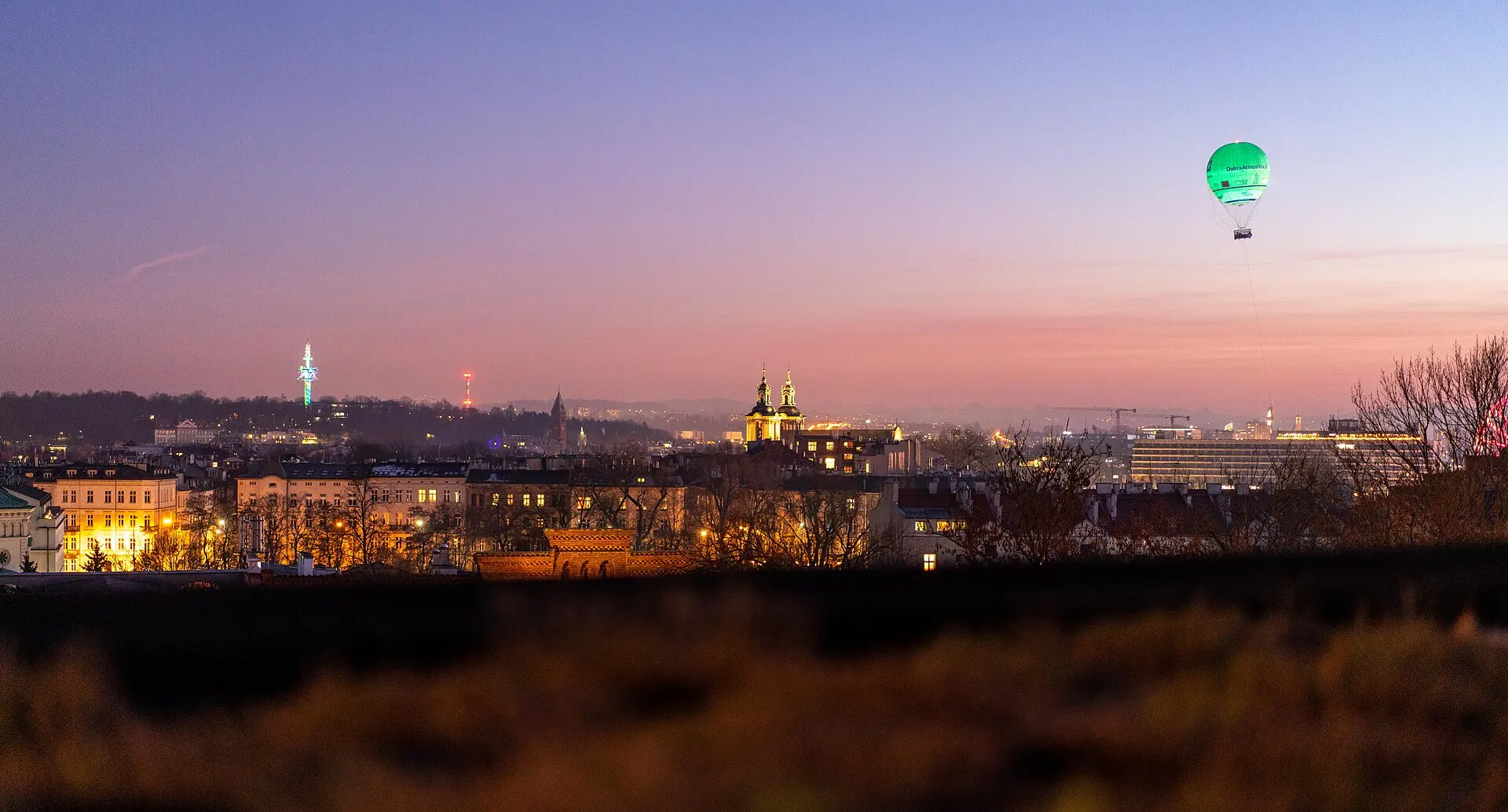
Travel guide · editorialEvery hour on the hour, a trumpeter plays the "Hejnał" from the tower of St. Mary's Basilica – and breaks off mid-note, in memory of a watchman who, according to legend, was struck by an arrow in the 13th century. Kraków, Poland's old royal city, came through World War II largely unscathed. A city break in Kraków takes you across one of the largest medieval market squares in Europe, up Wawel Hill, and into Kazimierz, the former Jewish quarter.
The Royal City
From the 11th century to the end of the 16th, Kraków was the capital of Poland and the coronation site of its kings. Jagiellonian University was founded here in 1364; Nicolaus Copernicus later studied there. For centuries, Kazimierz was a center of Jewish life. During World War II, the German occupiers made Kraków the capital of the "General Government"; the Jewish population was forced into the ghetto in Podgórze and murdered. In 1978, the Old Town was among the first sites to be placed on the UNESCO World Heritage List.
Sights in Kraków
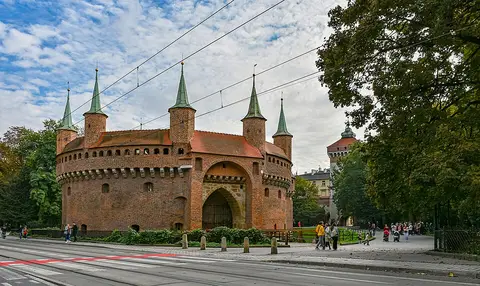
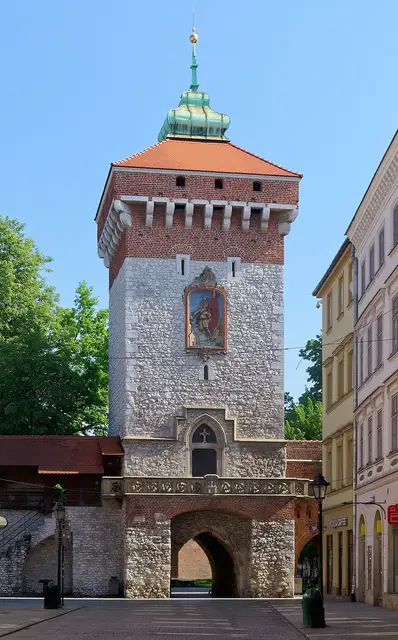
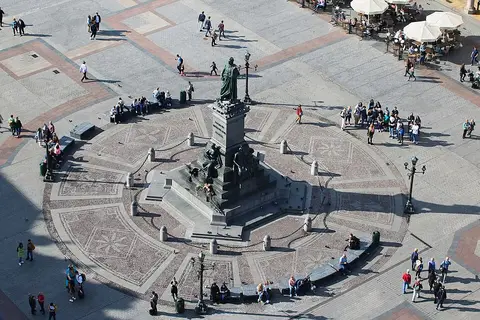
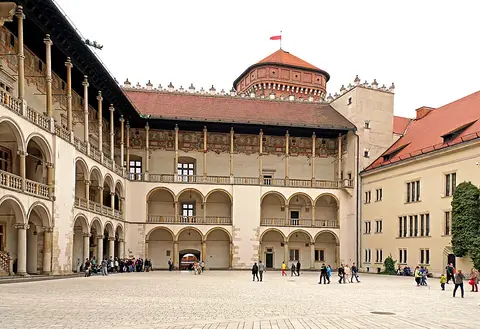
The Rynek Główny, the Main Market Square, is divided in the middle by the Cloth Hall, where vendors sell amber and souvenirs and where a museum below ground tells the history of the square. St. Mary's Basilica, with its mismatched towers, houses the high altar by Veit Stoss, one of the largest Gothic carved altarpieces in the world. The Royal Route leads to Wawel, the hill with the royal castle and the cathedral, where Polish kings and national heroes are buried. Beneath the hill lies the Dragon's Den, where a bronze dragon breathes fire at the entrance. The Planty Park wraps around the Old Town where the city walls once stood; St. Florian's Gate and the Barbican survive.
Kazimierz and Podgórze
The Kazimierz district is home to several synagogues, including the Old Synagogue and the Remuh Synagogue with its cemetery. Today Kazimierz is also the city's nightlife district, with cafés, bars, and zapiekanki, toasted open-faced baguette halves, at Plac Nowy. Across the Vistula lies Podgórze, the district of the former ghetto. In Oskar Schindler's former enamel factory, a museum tells the story of Kraków under German occupation. Next door, MOCAK shows contemporary art.
Museums and Culture
The Czartoryski Museum displays Leonardo's "Lady with an Ermine," one of only a few surviving portraits by the master. The National Museum shows Polish art, while the Collegium Maius, the university's oldest building, exhibits antique scientific instruments. In Nowa Huta in the east, a socialist planned city from the 1950s, you can explore the architecture of the People's Republic.
Eating in Kraków
Obwarzanek, a braided yeast ring, is sold from street stands. Pierogi, żurek, grilled kiełbasa, and placki, potato pancakes, are staples of Kraków cuisine. In the milk bars you can eat cheaply, and Kraków's restaurants range from traditional cellar eateries to modern Polish cuisine. In the evening, people gather in the cellar bars of the Old Town and in Kazimierz. A Kraków specialty is the vodka bar, where small glasses of flavored vodkas are served with bites such as pickled herring.
Getting Around and Best Time to Visit
Balice Airport is about 9 miles (15 km) to the west, and a train takes around 20 minutes to reach the main station. Trams and buses serve the city, and the Old Town can be explored on foot. The best time to visit is from May to September; in Advent, the Christmas market on the Rynek is a draw, and in December the famous Kraków nativity scenes are also on display there. Excursions lead to the Wieliczka Salt Mine, a UNESCO World Heritage Site, and to the Auschwitz-Birkenau Memorial, about 43 miles (70 km) to the west, which you should visit with a guided tour. Farther south lie the Tatra Mountains and Zakopane, reachable by bus in about two hours, and the Benedictine Tyniec Abbey on a limestone cliff above the Vistula, which you can also reach by boat in summer. If you come in June, you can catch the Jewish Culture Festival in Kazimierz with concerts and workshops; in December, the nativity scene competition. Kraków is cheaper than most Western European cities, but it is popular for bachelor parties on weekends; during the week, the Old Town is calmer.