Lesser Poland: Kraków, the Tatras, and the Spa Towns of the Beskids
Travel guide · editorialLesser Poland is a land of kings and mountains: in the north, Kraków shines with Wawel Castle and one of the largest medieval market squares in Europe, while in the south the granite peaks of the High Tatras rise. A vacation in Lesser Poland combines city culture, memorial sites, wooden churches, spa resorts, and hiking trails in a compact area.
From the Vistula Valley to the Tatras
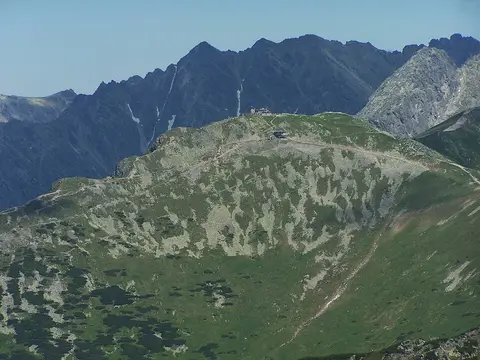
The Lesser Poland Voivodeship, known in Polish as Małopolska, lies in the south of the country on the border with Slovakia. In the north, the Vistula River flows through a broad plain, where Kraków is located. To the south, the Carpathian foothills roll away, followed by the Beskids, the Gorce Mountains, and the Pieniny, with the Dunajec River gorge. Far in the south, the High Tatras tower up, with Rysy, Poland's highest mountain at 2,499 meters (8,199 feet). Around 3.4 million people live here, a fifth of them in Kraków. Besides the capital, the largest cities are Tarnów in the east and Nowy Sącz. Lesser Poland is the historic heartland of the Polish state, since the kings resided in Kraków until 1596.
Kraków: Royal City on the Vistula
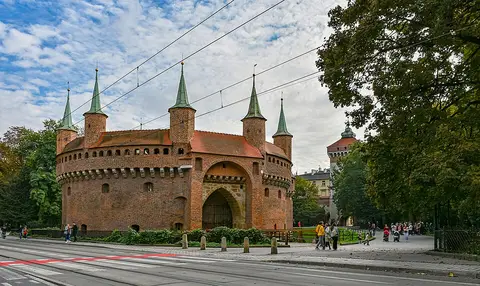
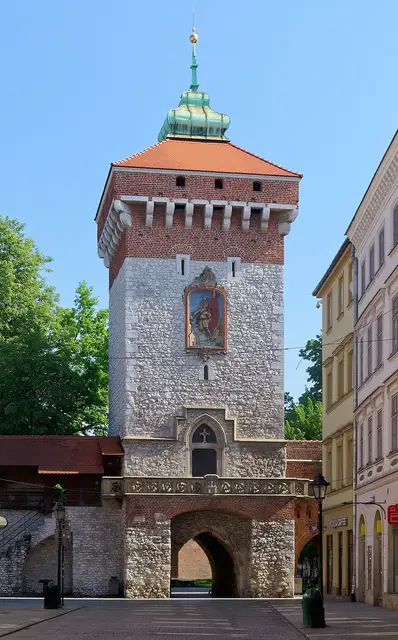
In 1978, Kraków's Old Town was among the very first sites on the UNESCO World Heritage List. The Main Market Square, Rynek Główny, is lined by the Cloth Hall, St. Mary's Basilica with its carved altarpiece by Veit Stoss, and magnificent townhouses. Every hour, a trumpeter plays the Hejnał from the taller tower of St. Mary's Basilica, and the melody breaks off abruptly, commemorating a watchman said to have been struck by a Tatar arrow. On Wawel Hill sit the Royal Castle and the cathedral, where nearly all Polish kings were crowned and buried. The Jewish Quarter of Kazimierz, with its synagogues, cafés, and courtyards, is now the city's liveliest nightlife district. Across the Vistula in Podgórze, Oskar Schindler's factory serves as a museum recalling the occupation years.
Sights in Lesser Poland
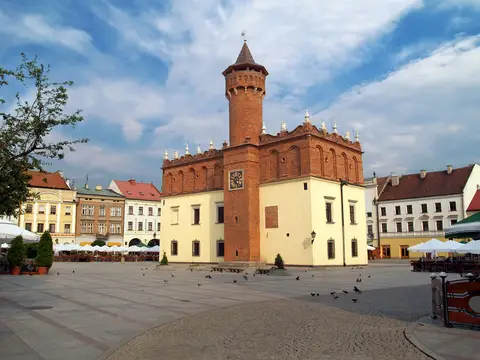
About 15 kilometers (9 miles) southeast of Kraków, the Wieliczka Salt Mine leads down into chambers, chapels, and lakes carved out of salt over the centuries; the highlight is St. Kinga's Chapel with its chandeliers of salt crystal. West of the capital lies Oświęcim with the Auschwitz-Birkenau memorial, the largest German extermination camp, where more than a million people were murdered; a visit takes time and requires advance registration. Kalwaria Zebrzydowska with its pilgrimage park and Wadowice, the birthplace of Pope John Paul II, are also nearby. The wooden churches of southern Lesser Poland, such as those in Dębno and Binarowa, are UNESCO World Heritage Sites. Tarnów has a beautiful Renaissance old town and is considered the warmest city in Poland.
Mountains and Spa Towns
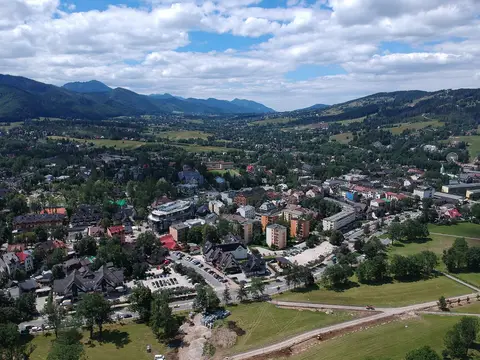
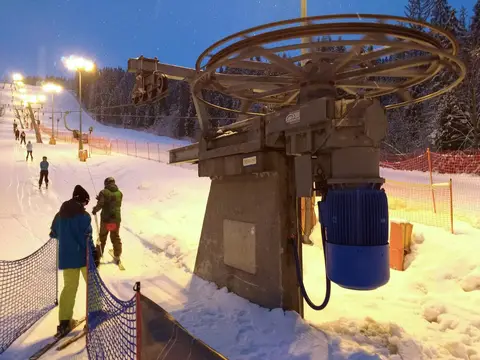
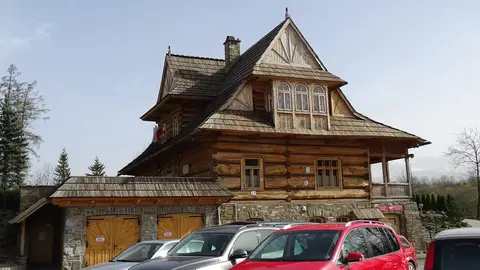
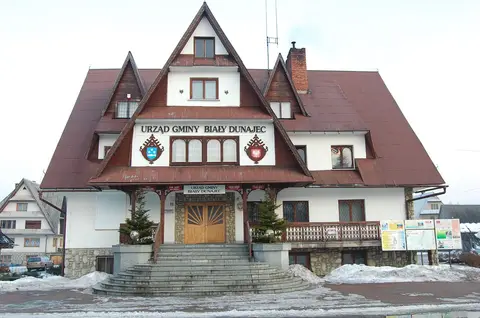
Zakopane at the foot of the Tatras is Poland's winter capital. The wooden villas in the Zakopane style, the Krupówki promenade, and the funicular up Gubałówka are all part of the experience, and a cable car runs up Kasprowy Wierch. In summer, people hike to the mountain lake Morskie Oko; in winter, skiers head to Bukowina Tatrzańska, Poronin, or Kościelisko. The Górals, the mountain people of the region, maintain their own music and traditional dress. In Pieniny National Park, visitors drift on wooden rafts through the Dunajec Gorge to Szczawnica. Krynica-Zdrój in the Beskids is a classic spa town with pump rooms and mineral waters.
Food and Drink
The obwarzanek, a braided yeast ring topped with poppy or sesame seeds, is sold on almost every corner in Kraków and is protected as a regional product. Pierogi, filled dumplings, come in dozens of varieties, and at milk bars you can eat inexpensively, trying żurek, a sour rye soup. In the Tatras, oscypek is a must: a smoked sheep's cheese in decorative shapes, served grilled with cranberries. Bryndza, a sheep's milk cheese spread, goes well with it, and in the evening, an herbal liqueur.
Getting There and Best Time to Visit
Kraków-Balice Airport (KRK) has direct flights from many German cities. There are train connections from Berlin and Vienna, and within Poland, express trains reach Warsaw in a little over two hours. Buses and trains run to Zakopane, though in winter the road is often congested. The best time to visit is May through September; for hiking in the Tatras, July through September is ideal, and for skiing, December through March. During Advent, Kraków's Main Market Square turns into a large Christmas market.