Discovering Wrocław: Dwarfs, Cathedral Island, and Bridges
Travel guide · editorialAll over Wrocław (German: Breslau), little bronze dwarfs are hiding: on lampposts, in front of banks, at ATMs, and on windowsills. There are said to be more than 600 of them by now, and hunting for them has become a game for visitors. The Lower Silesian capital on the Oder River is a city of islands and bridges, with one of the most beautiful market squares in Poland. A city break in Wrocław is relaxed, affordable, and full of history.
A City with Many Names
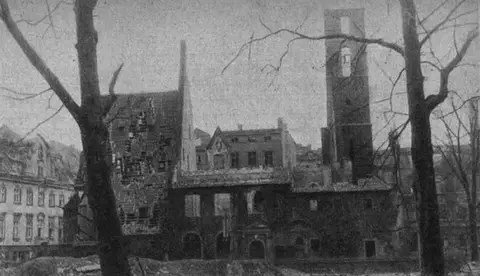
Over the centuries, Wrocław belonged to Poland, Bohemia, Austria, and Prussia. Until 1945 it was a major German city. In the spring of 1945, it was heavily destroyed as "Fortress Breslau," its German population was expelled, and Poles from the eastern territories lost to the Soviet Union, above all from Lviv, settled here. The dwarfs recall the "Orange Alternative," a protest movement of the 1980s that mocked the communist regime with dwarf graffiti. In 2016, Wrocław was a European Capital of Culture.
Sights in Wrocław
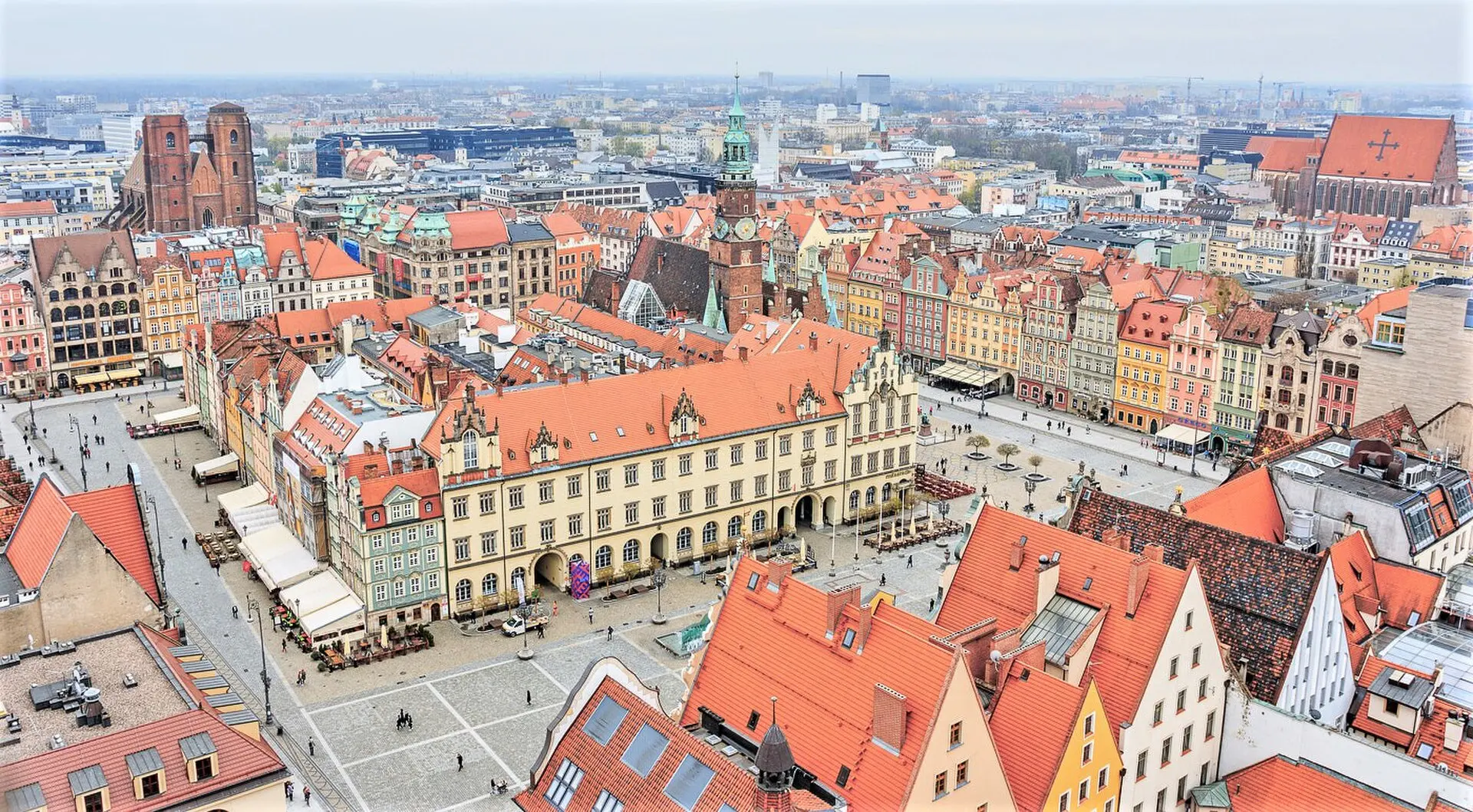
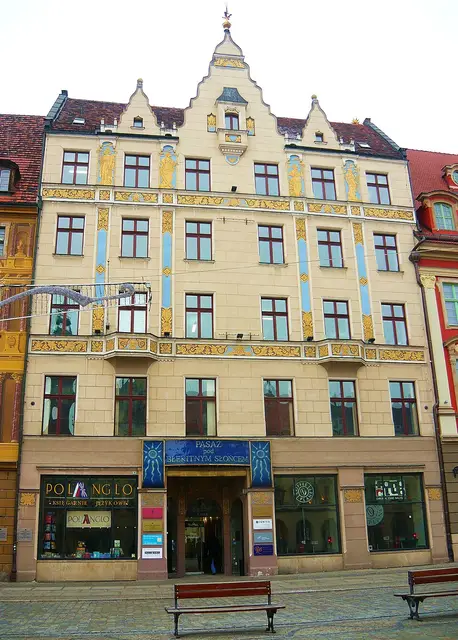
The Rynek, the market square, is lined with colorful townhouses, and in the middle stands the Gothic town hall with its gables and astronomical clock. In the basement is the Świdnica Cellar, one of the oldest restaurants in Europe. On Cathedral Island (Ostrów Tumski), the oldest part of the city, stand the Cathedral of St. John the Baptist and other churches; in the evening, a lamplighter lights the gas lamps by hand. With the Aula Leopoldina, the university has one of the most magnificent Baroque halls in Central Europe. The Centennial Hall, a pioneering reinforced-concrete building by Max Berg from 1913, is a UNESCO World Heritage Site; a Japanese Garden lies next to it.
Museums and Culture
The Racławice Panorama, a huge cyclorama, depicts the 1794 battle against the Russian army. The National Museum has a significant collection of Silesian art. Hydropolis is an interactive museum all about water, and the zoo with its Afrykarium is among the largest in Poland. The National Forum of Music is a modern concert hall.
Eating and Going Out
Pierogi, żurek, and Silesian dishes such as dumplings with beef rolls and red cabbage define the restaurants in Wrocław. Around the Rynek and Salt Square (Plac Solny), restaurants, bars, and cafés stand shoulder to shoulder, and the Niepolda Passage packs nightlife into a small space. The students of the city's many universities keep the nightlife lively until late at night.
Getting Around and Best Time to Visit
The airport is about 10 kilometers west of the center and is connected to it by bus. Trams and buses serve the city, and the Old Town is easy to explore on foot. The best time to visit is from May to September, when you can sit by the Oder and go boating; in Advent, the big Christmas market on the Rynek is a draw. Excursions lead to the Giant Mountains, to Książ Castle, and to the Churches of Peace in Świdnica and Jawor, huge half-timbered churches from the 17th century that are UNESCO World Heritage Sites. Wrocław has more than a hundred bridges and footbridges and twelve islands in the Oder; a boat trip or a walk across Sand Island and Cathedral Island shows the city at its best.