Lower Silesia: Wrocław, the Giant Mountains and Spa Country
Travel guide · editorialLower Silesia is a region of castles, spa towns and mountains, and on the Oder River lies Wrocław, one of Poland's most beautiful cities. A vacation in Lower Silesia takes you from colorful burgher houses on the Market Square to the ridges of the Giant Mountains, from half-timbered Churches of Peace to the health spas of the Kłodzko Valley.
From the Oder to the Sudetes
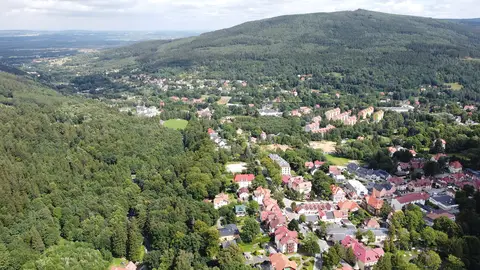
The voivodeship lies in southwestern Poland and borders Germany and the Czech Republic. The Oder flows through the fertile lowlands in the north, where Wrocław and Legnica are located. To the south, the Sudetes rise: the Jizera Mountains around Świeradów-Zdrój, the Giant Mountains with Mount Sněžka (Śnieżka), 1,603 meters (5,259 feet) high, the Wałbrzych Mountains, the Owl Mountains, and the Kłodzko Valley with Śnieżnik Massif near Międzygórze. Around 2.9 million people live here. For centuries the region was Bohemian, Habsburg and Prussian before it fell to Poland in 1945 and the German population was expelled. Many of the new residents came from the eastern territories lost to the Soviet Union, such as Lviv.
Wrocław: City of a Hundred Bridges
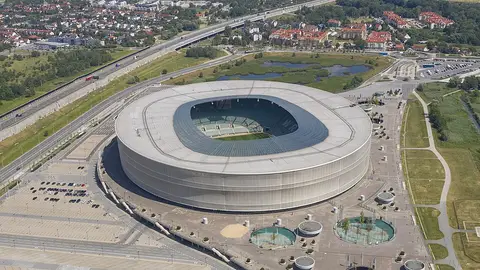
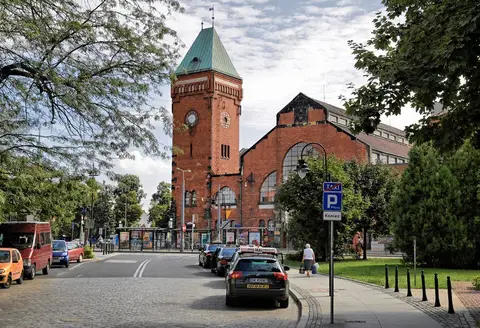
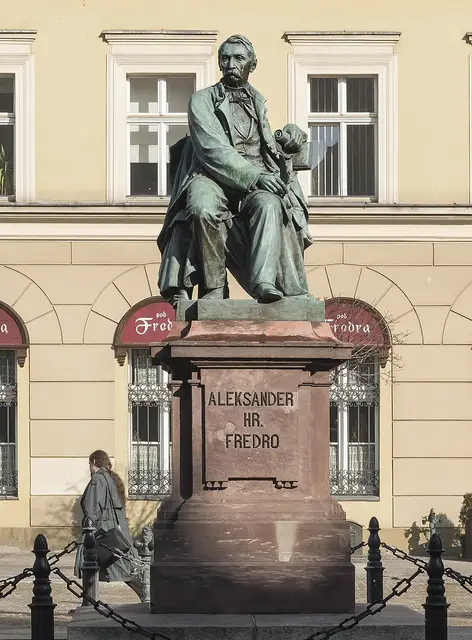
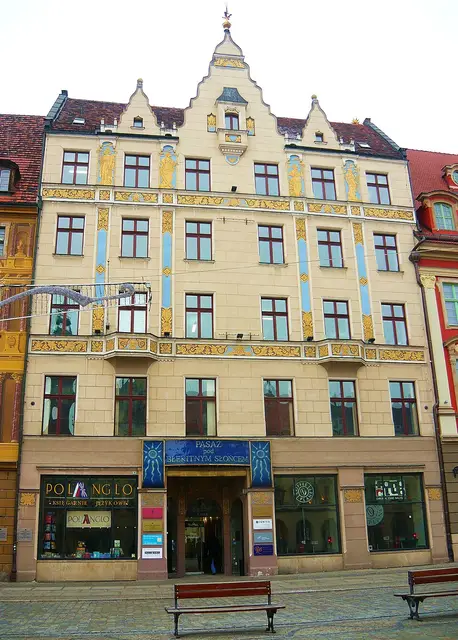
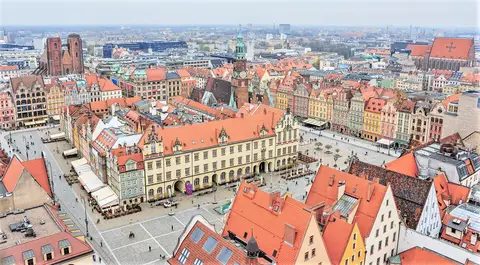
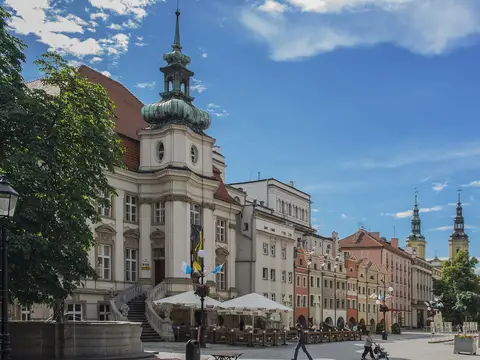
Wrocław lies on several islands in the Oder and its tributaries, connected by around a hundred bridges. The Market Square, one of the largest in Europe, is dominated by the Gothic town hall, surrounded by crowded rows of colorful gabled houses. Cathedral Island is home to the Cathedral of St. John the Baptist, where lamplighters still light the gas lamps in the evening. The university has a magnificent Baroque hall, the Aula Leopoldina. Max Berg's Centennial Hall, opened in 1913, is a UNESCO World Heritage Site and a milestone in reinforced-concrete construction. Small bronze dwarfs, several hundred by now, hide all over the city, recalling the oppositional "Orange Alternative" movement of the 1980s. The Racławice Panorama, an enormous circular painting, came to Wrocław with the people from Lviv.
Sights in Lower Silesia
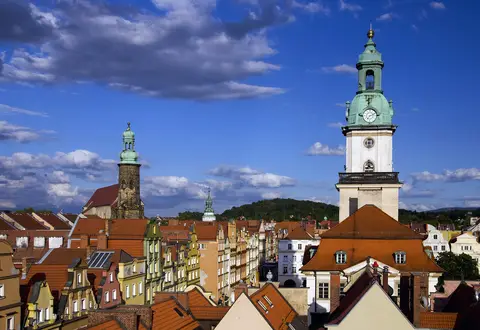
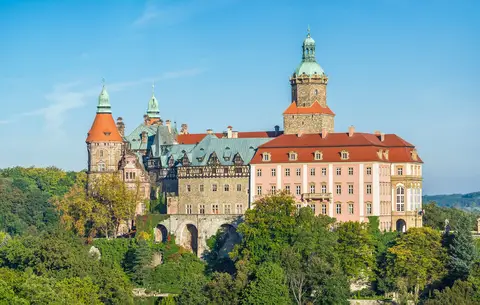
The Churches of Peace in Świdnica and Jawor, built of wood and clay after the Thirty Years' War, are among the largest half-timbered churches in Europe and are UNESCO World Heritage Sites. Książ Castle near Wałbrzych is the largest castle in Silesia, and in the Owl Mountains tunnels from the Nazi "Riese" project lead into the mountain. Krzeszów, the Grüssau Abbey, impresses with its Baroque splendor. Legnica, with its Piast Castle, was long the residence of Silesian dukes. In the Jelenia Góra Valley stand dozens of castles and manor houses, many now used as hotels. Near Międzygórze, the Bear Cave with its stalactites is well worth a visit.
Kłodzko Fortress towers over the town of Kłodzko, beneath which lies a labyrinth of tunnels. Bolesławiec has been known for centuries for its blue-dotted stoneware; manufacturers open their workshops, and in August the town celebrates a ceramics festival. North of Wrocław lies Trzebnica with the tomb of St. Hedwig, the patron saint of Silesia.
Mountains and Spa Towns
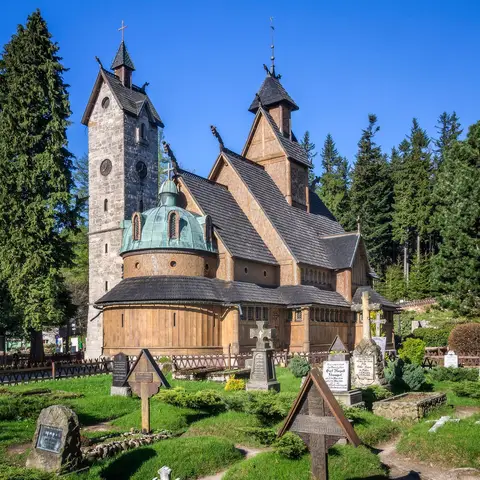
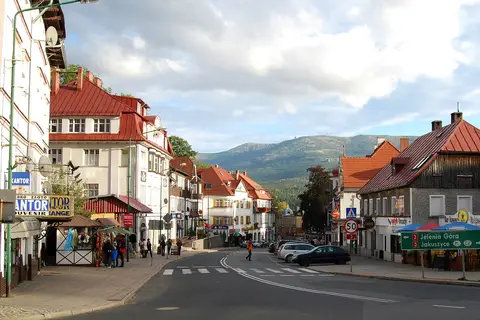
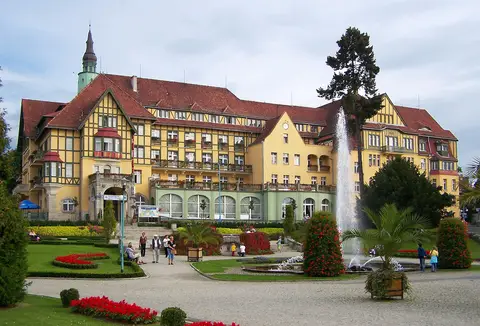
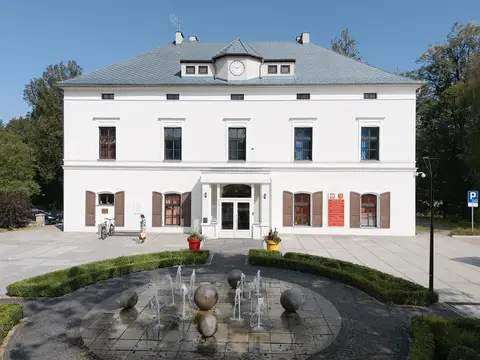
Karpacz and Szklarska Poręba are the resort towns of the Giant Mountains, with chairlifts, ski slopes and hiking trails up to the ridge. In Karpacz stands the Wang Stave Church, which was moved here from Norway in 1842. Karkonosze National Park extends to Mount Sněžka, on whose summit the Czech-Polish border runs. In the Kłodzko region, spa towns such as Kudowa-Zdrój, Duszniki-Zdrój and Lądek-Zdrój follow one after another, with pump rooms and spa parks. Near Kudowa-Zdrój you will find the Table Mountains (Heuscheuer) with their bizarre sandstone rocks and the Skull Chapel in Czermna.
Food and Drink
The cuisine combines Polish and Silesian traditions: Silesian dumplings with a dimple, beef rolls with red cabbage, pierogi from Lviv cuisine. In the Giant Mountains there is trout from the mountain streams, and many craft breweries have become established around Wrocław. In Kudowa-Zdrój and Duszniki-Zdrój you can sample the mineral-rich healing waters right at the spring.
Getting There and Best Time to Visit
Wrocław Airport (WRO) is served from several German cities, and Wrocław can be reached from Dresden or Berlin by train and bus in a few hours; by the A4 motorway, the drive from Dresden takes about three hours. To get to the Giant Mountains, take regional trains or buses from Jelenia Góra. The best time to visit is May through October; in fall the forests of the Jelenia Góra Valley turn colorful. In winter, the ski areas of Szklarska Poręba and Międzygórze are a draw.