Discover Gdańsk: Long Street, Amber, and the Shipyard
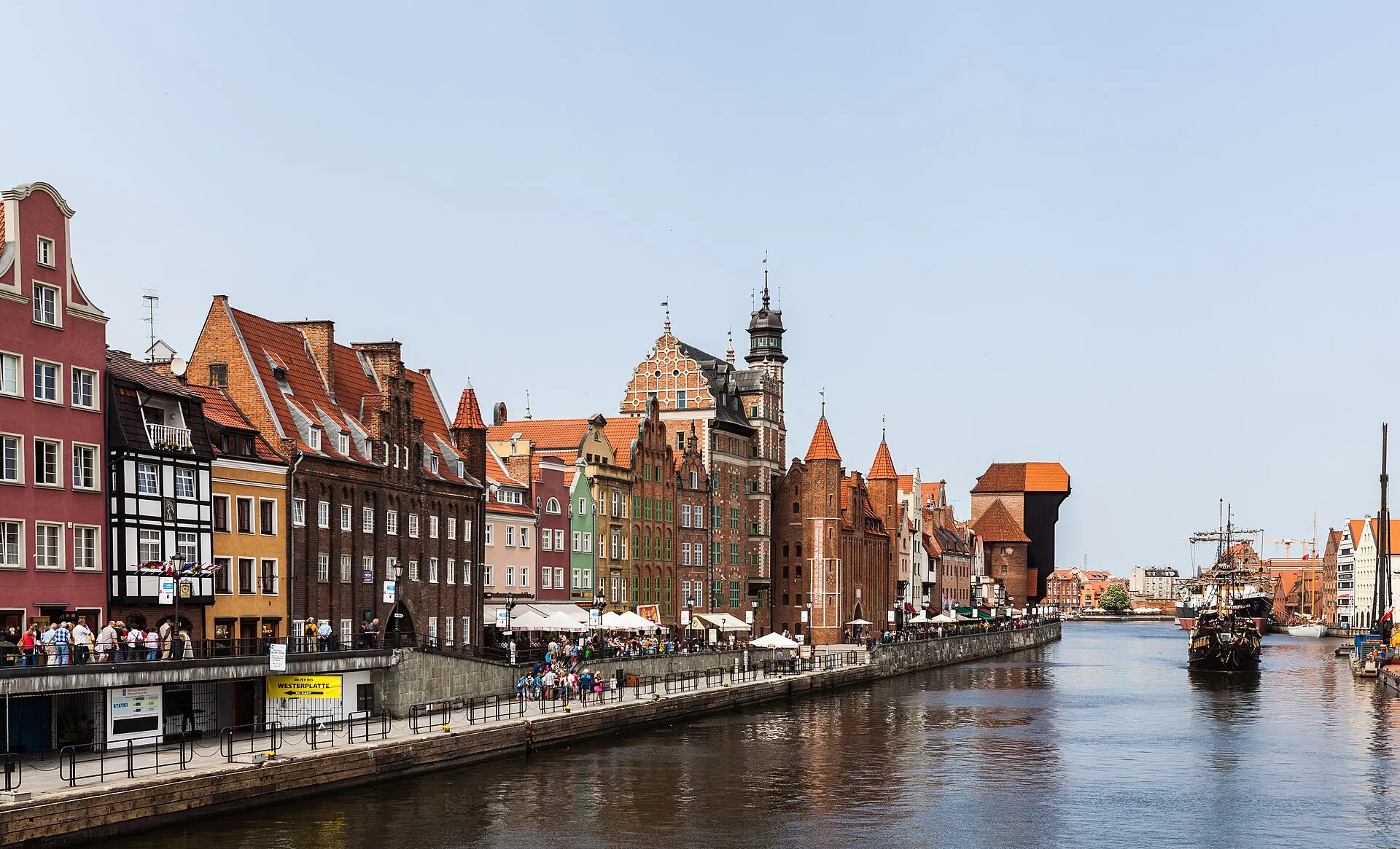
Travel guide · editorialMagnificent gabled houses, a medieval wooden harbor crane, and amber shops along the Motława River: Gdańsk, known in German as Danzig, is the most beautiful port city on Poland's Baltic coast. World War II began here, and here, with the Solidarity trade union, the end of communism began. A city break in Gdańsk combines Hanseatic splendor, a dramatic history, and Baltic Sea beaches.
A Hanseatic City Between Powers
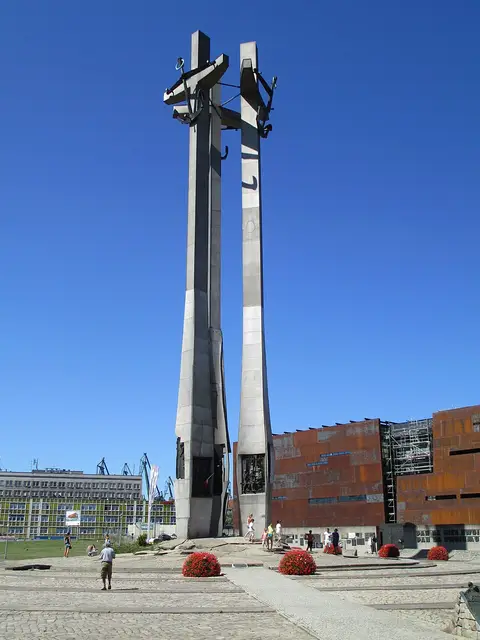
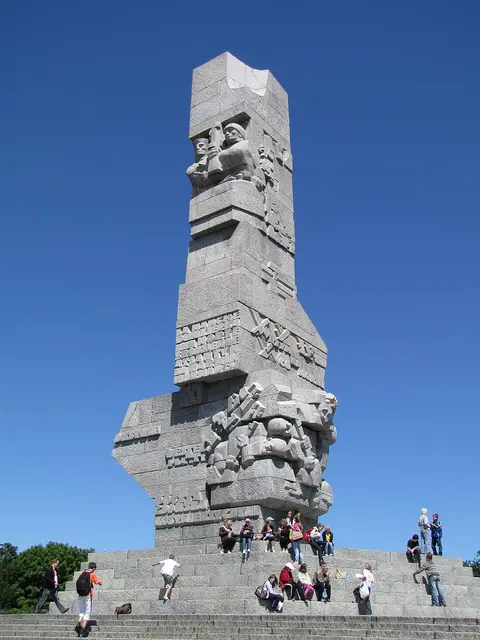
In the Middle Ages, Gdańsk became one of the wealthiest cities of the Hanseatic League, and grain from Poland was shipped from here all over Europe. Later it was a largely self-governing city under the Polish crown, became Prussian in 1793, and after World War I was a Free City under the protection of the League of Nations. On September 1, 1939, World War II began with the shelling of the Westerplatte. In 1945 the Old Town was almost completely destroyed and then rebuilt. In 1980, workers at the Lenin Shipyard went on strike under Lech Wałęsa, and the Solidarity trade union was founded.
Sights in Gdańsk
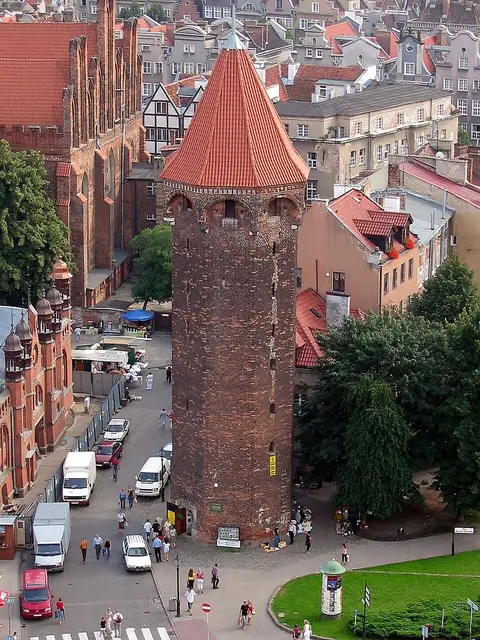
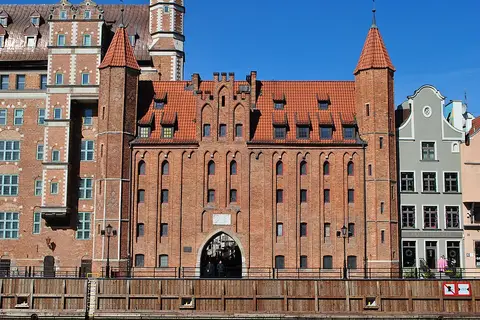
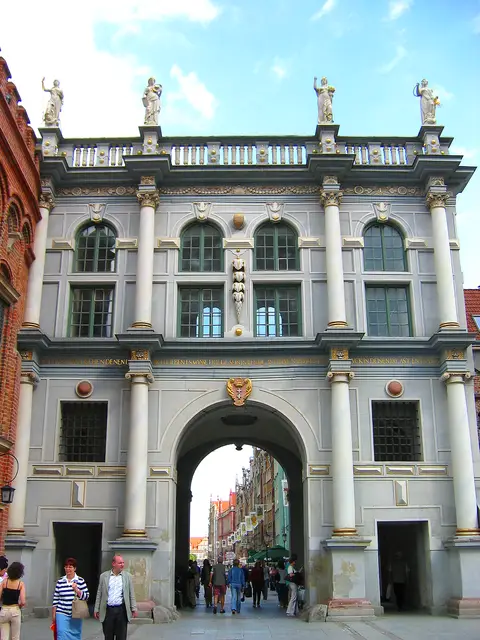
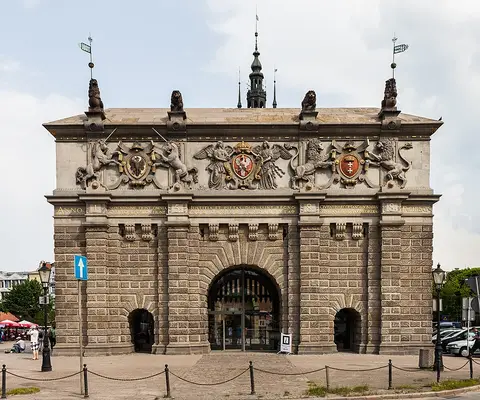
The Royal Way leads through the Golden Gate along Long Street (Ulica Długa) and the Long Market, home to the Main Town Hall, Artus Court, and the Neptune Fountain. St. Mary's Church is one of the largest brick churches in the world, and from its tower you can look out over the city. Mariacka Street, with its terraces, the stone front steps known as Beischläge, is one of the city's loveliest lanes, lined with amber shops and galleries. On the banks of the Motława stands the Crane Gate, a medieval harbor crane that is now part of the National Maritime Museum. On Granary Island opposite, new apartments and restaurants have sprung up.
Museums and Remembrance
The European Solidarity Centre on the grounds of the former shipyard tells the story of the trade union and of the peaceful revolution in Central and Eastern Europe; in front of it stands the monument to the fallen shipyard workers. The Museum of the Second World War, housed in an impressive new building, shows the war from the perspective of the civilian population. On the Westerplatte, a monument commemorates the defenders. The Amber Museum presents the "gold of the Baltic."
Food and Nightlife
Baltic fish, smoked or fried, herring in many variations, pierogi, and żurek are on the menus. Goldwasser, an herbal liqueur with flakes of gold leaf, was invented in Gdańsk. In the evening, people meet along the Motława, on Granary Island, and in the pubs of the Old Town.
Getting Around and Best Time to Visit
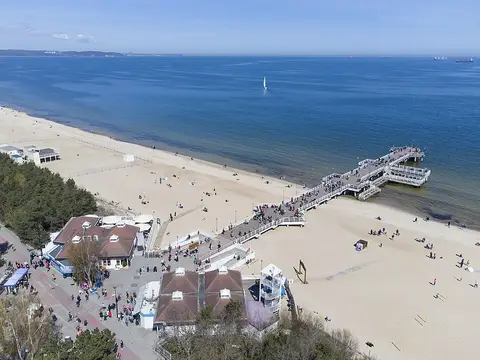
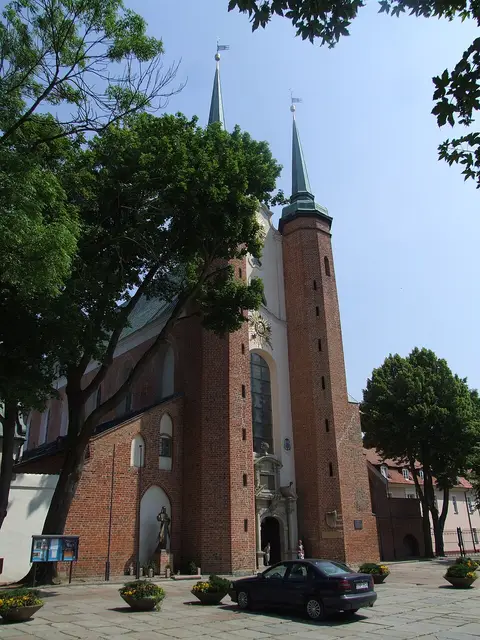
The airport lies west of the city and is connected to the center by rail. The SKM commuter rail links Gdańsk with Sopot and Gdynia, which together form the "Tri-City." The best time to visit is from May to September, when the beaches of Brzeźno and Jelitkowo beckon. The Dominican Fair, one of the largest markets in Europe, takes place from late July through August. Day trips lead to Malbork Castle, the largest brick castle in the world, to the Hel Peninsula, and to the pier in Sopot, which at over 500 meters is considered the longest wooden pier in Europe. In Gdynia, the modern port city, you'll find two museum ships and the Emigration Museum. In the Oliwa district, the cathedral with its Rococo organ and the park are worth a visit, and organ concerts are held there regularly in summer.