About Bitwa pod Oliwą
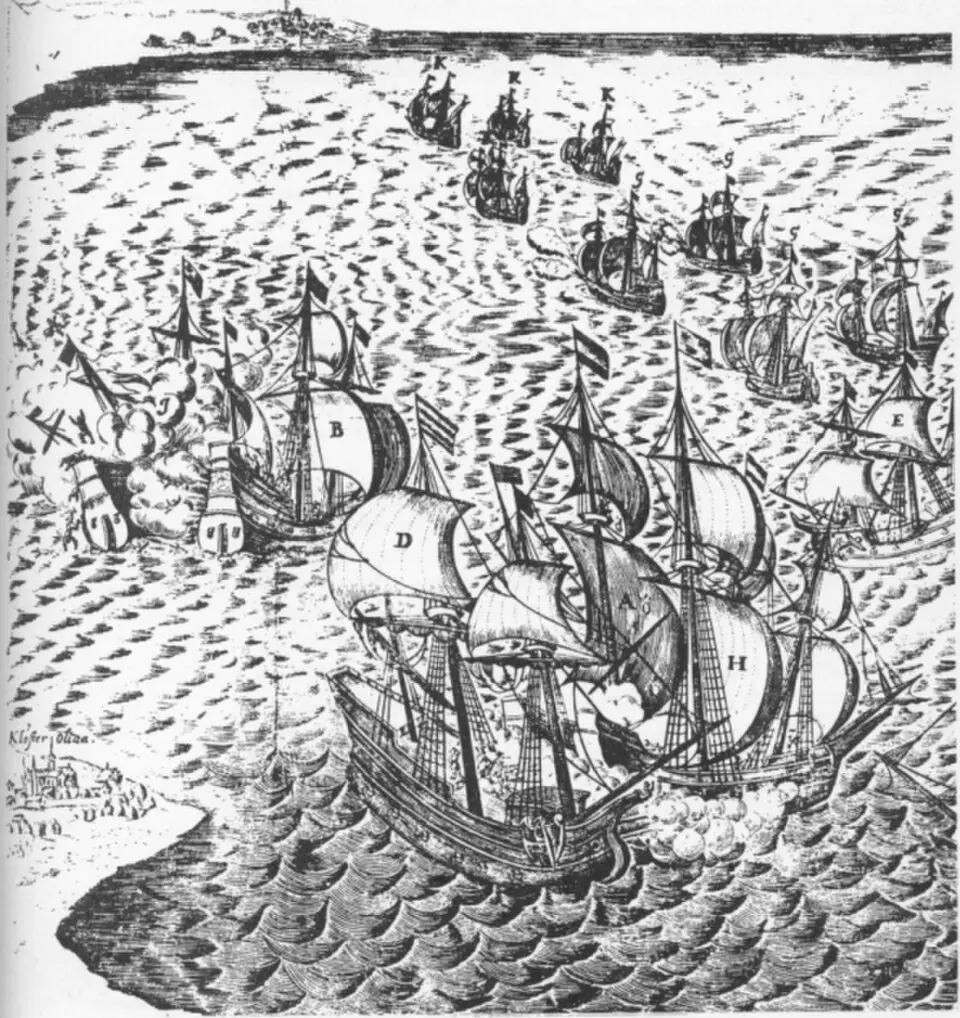
The Battle of Oliwa, also known as the Battle of Oliva, is a historic site of great importance to Polish national consciousness. It took place on November 28, 1627, in the roadstead off Gdańsk and marks the only notable victory of the Polish navy over a Swedish fleet during the Thirty Years' War. The conflict arose from a complex mix of dynastic disputes over the throne, religious tensions between Catholics and Protestants, and the struggle for control of the lucrative Baltic trade. After the Swedish Riksdag deposed the Polish king Sigismund III, he tried to defend his position, which led to a standoff on two fronts between the two countries.
In 1627, the Swedish fleet blockaded the Bay of Gdańsk in order to cut the supply line of the Polish troops. The city of Gdańsk organized a counteroffensive under the supervision of a royal commission to break the blockade. After a failed first attempt on November 26, in which two Polish ships had to turn back in the face of Swedish superiority, the Polish fleet set sail on the morning of November 28. Led by the Dutch admiral Arendt Dickmann, the Polish ships attacked the Swedish blockading fleet, which believed itself safe behind the Hel Peninsula.
The fight developed into an intense boarding battle in which the Polish "St. Georgen" captured the Swedish flagship "Tigern." The battle ended tragically for the Polish side when Admiral Dickmann was killed by a final shot from the retreating Swedish "Pelicanen." In addition, the Swedish ship "Solen" exploded after being successfully boarded by the Polish "Meerman," when the Swedish captain ignited the powder magazine. Although the Polish ships had to return to Gdańsk because of the damage they had suffered, the victory broke the Swedes' psychological superiority. In the 20th century, the event was exploited for nationalist propaganda, while scholarly study of it only began after World War II.
At a glance
- Category
- Sight › Historic sites
- Rating
- no reviews yet · write a review
- Address
- —
Gdańsk, Poland - Phone
- —
- Website
- —
- —
- Coordinates
- 54.35218° N · 18.64679° E
- Data quality
- confidence 0.74
- Identifier
- ID 87fc5ee8-8d0…
Location & surroundings
Toggle layersFAQ about Bitwa pod Oliwą
quick answersWhat is the Bitwa pod Oliwą in Gdańsk?
The Bitwa pod Oliwą, known in English as the Battle of Oliwa, is a historic site in Gdańsk, Poland, commemorating a naval engagement fought on November 28, 1627. The battle took place in the roadstead off Gdańsk and is regarded as the only notable victory of the Polish navy over a Swedish fleet during the Thirty Years' War. It still carries great significance for Polish national identity today. In the 20th century, the event was used for national propaganda, and it was only studied scientifically after World War II.
Why did the Battle of Oliwa off Gdańsk take place in 1627?
The Battle of Oliwa off Gdańsk grew out of dynastic disputes over the throne, religious tensions between Catholics and Protestants, and the struggle for the lucrative Baltic trade. After the Swedish Riksdag deposed the Polish king Sigismund III, Poland and Sweden became bitter enemies. In 1627, the Swedish fleet blockaded the Bay of Gdańsk in order to cut off supplies to the Polish troops. The city of Gdańsk responded by organizing a counteroffensive under the supervision of a royal commission to break the blockade.
How did the Battle of Oliwa unfold?
The Battle of Oliwa off Gdańsk was an intense boarding action in which the Polish fleet under the Dutch admiral Arendt Dickman attacked the Swedish blockading fleet behind the Hel Peninsula. A first attempt on November 26, 1627, had failed, and on the morning of November 28 the Polish fleet sailed out again. The Polish ship "St. Georgen" captured the Swedish flagship "Tigern," and the Swedish ship "Solen" exploded after being boarded by the Polish "Meerman" when the Swedish captain ignited the powder magazine. Admiral Dickman fell to a final shot from the retreating Swedish "Pelicanen," but the victory shattered the Swedes' psychological superiority.
What can you see around the Bitwa pod Oliwą in Gdańsk?
Around the Bitwa pod Oliwą in Gdańsk, travelguide195 lists several historic buildings and museums within about 1 km. These include the Old Town Hall (Ratusz Starego Miasta) about 210 m away, the High Gate (Brama Wyżynna), the Great Arsenal (Wielka Zbrojownia), and the Katownia Museum about 260 m away. Nearby you'll also find medieval towers such as the 14th-century Baszta Słomiana, the Baszta Jacek, and the Baszta na Podmurzu, as well as the Muzeum Uniwersytetu Gdańskiego about 190 m away.
Are there restaurants near the Bitwa pod Oliwą in Gdańsk?
Yes, you'll find a wide selection of places to eat around the Bitwa pod Oliwą in Gdańsk. travelguide195 lists around 160 restaurants within 500 m. That makes it easy to combine a visit with a meal break in Gdańsk's city center.
Ratings & comments
none yetNear Bitwa pod Oliwą
closest 5 per category · 2 kmSights
Restaurants
Museums
Hotels
More:Historic sites in Gdańsk (237)All sights in Gdańsk (254)
251 places within 2 km loaded.
Don't miss in Gdańsk
All sights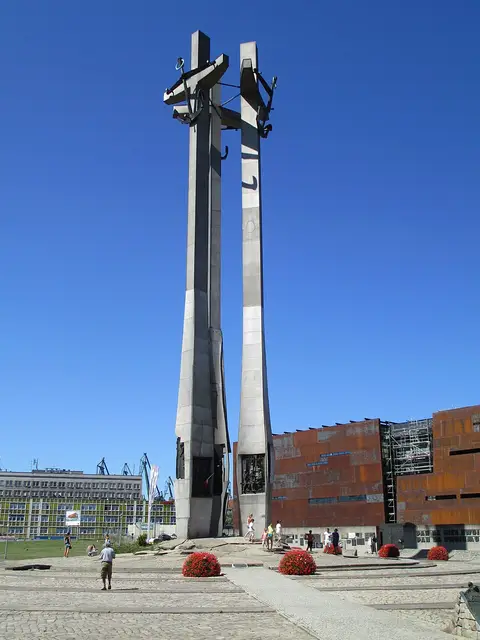 Monuments01
Monument to the Fallen Shipyard Workers of 1970
Plac Solidarności · Gdańsk● Website○ Phone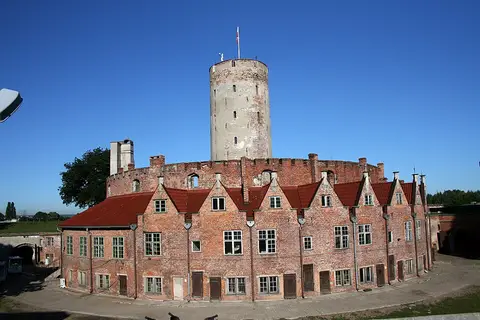 Historic sites02
Twierdza Wisłoujście
Stara Twierdza 3 · Gdańsk● Website● Phone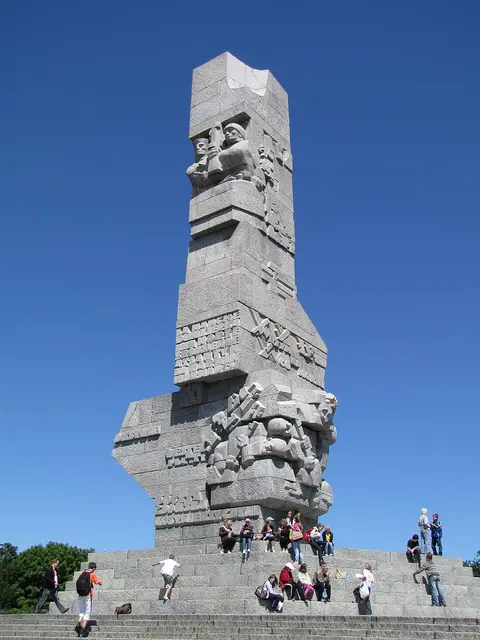 Historic sites03
Pomnik Obroncow Wybrzeza
Westerplatte · Gdańsk● Website○ Phone Historic sites04
You need a free account to leave reviews and photos – that keeps comments genuine and lets you edit them later.