Discover Warsaw: Old Town, Chopin, and the Vistula
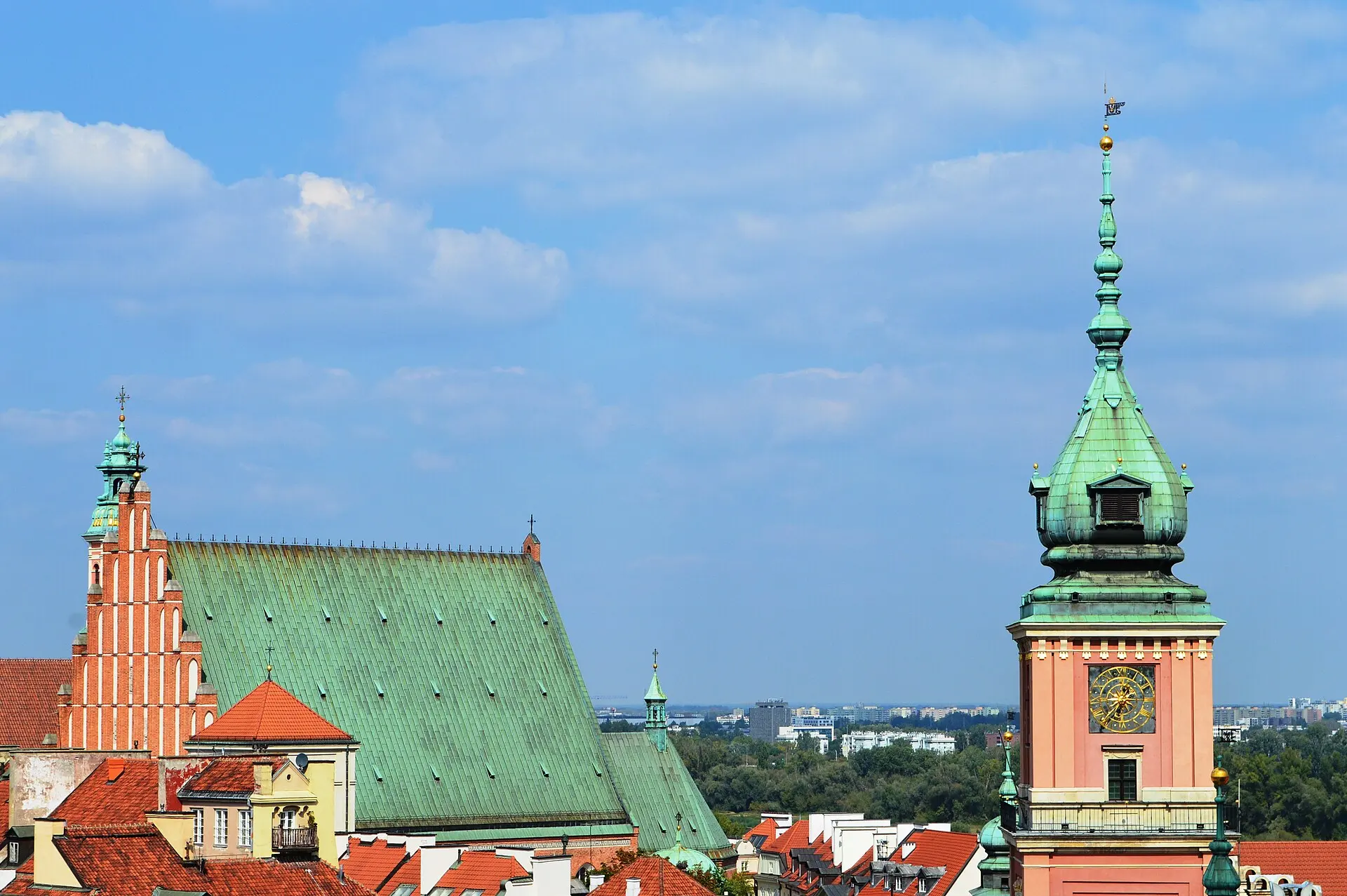
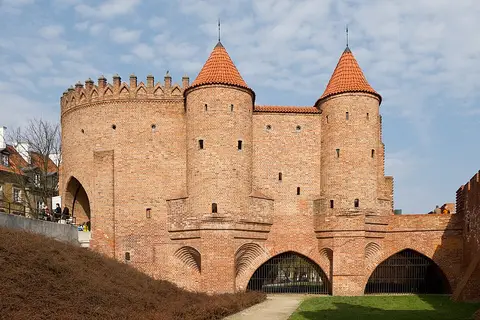
Travel guide · editorialWhat looks today like a centuries-old Old Town with colorful townhouses was rebuilt from rubble after 1945, based on paintings and old plans, stone by stone. Warsaw is a city that has reinvented itself again and again: with Stalinist architecture, glass skyscrapers, and one of the liveliest restaurant scenes in Central Europe. A city break in Warsaw is an encounter with both history and the present.
Destruction and Rebirth
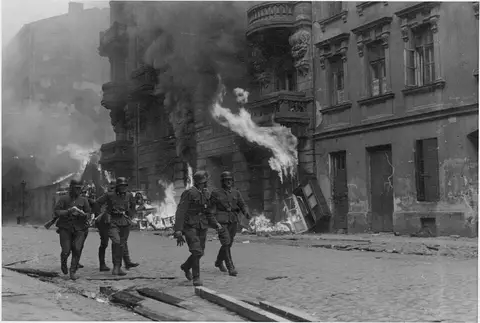
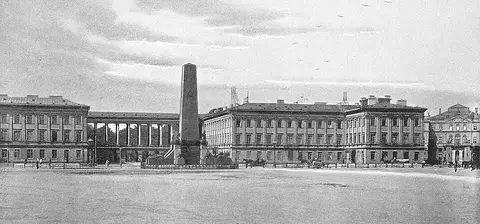
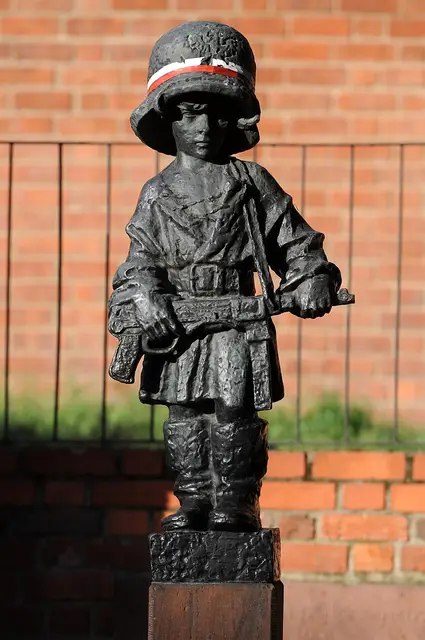
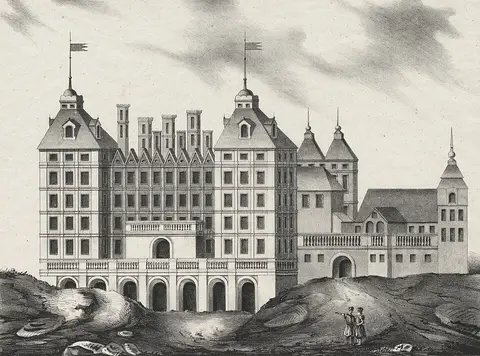
At the end of the 16th century, King Sigismund III Vasa moved the capital from Kraków to Warsaw. The city lived through the partitions of Poland, uprisings, and a brief golden age between the wars. In World War II it was hit especially brutally: the German occupiers built the largest ghetto in occupied Europe, whose residents staged a desperate uprising in 1943. After the Warsaw Uprising in 1944, German troops systematically destroyed the city, and around 85 percent of the city center on the left bank lay in ruins. The reconstruction of the Old Town is considered so extraordinary that it became a UNESCO World Heritage Site in 1980.
Sights in Warsaw
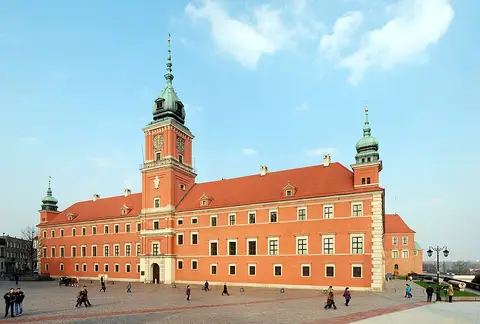
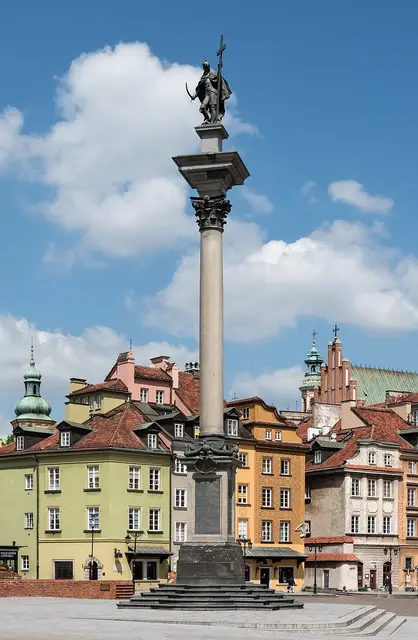
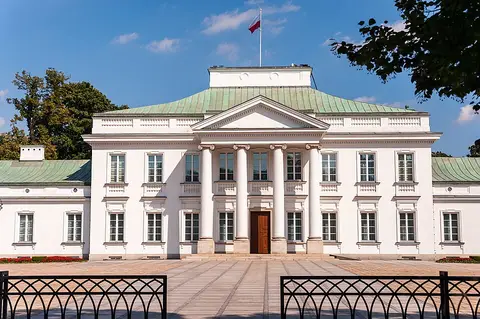
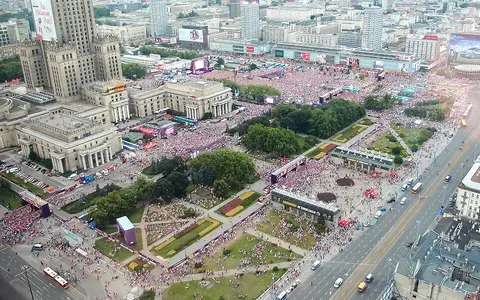
The Old Town Market Square with the Mermaid, the symbol of the city, and the Royal Castle on Castle Square with Sigismund's Column are the heart of the Old Town. Along the Royal Route, Krakowskie Przedmieście and Nowy Świat, you pass churches, palaces, and the university on your way south. In Łazienki Park, with its Palace on the Water, Chopin concerts take place on Sundays in summer at the composer's monument. The Palace of Culture and Science, a gift from Stalin in the 1950s, is still one of the tallest buildings in Poland at over 230 meters; from the observation terrace on the 30th floor you look out over the new skyline. Wilanów Palace, a Baroque residence in the south, was the summer home of King John III Sobieski.
Museums and Remembrance
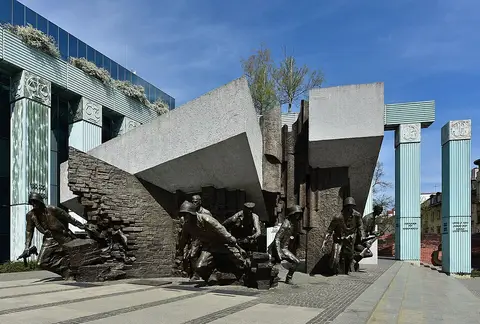
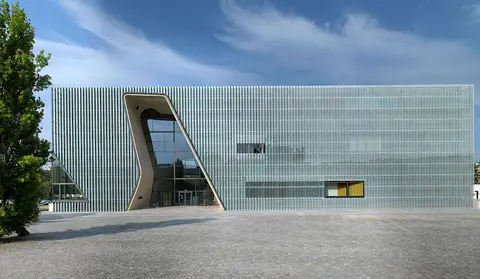
The Warsaw Rising Museum in Wola uses multimedia exhibits to tell the story of the 63 days of fighting in 1944. POLIN, the Museum of the History of Polish Jews, stands on the site of the former ghetto and covers a thousand years of Jewish life in Poland. The Chopin Museum is devoted to the city's most famous son, and the Copernicus Science Centre on the banks of the Vistula is popular with families. The National Museum holds a significant collection of Polish painting.
Neighborhoods and Nightlife
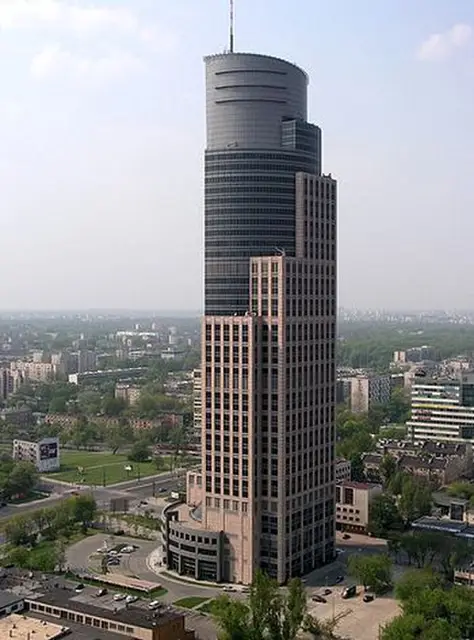
The city center, Śródmieście, includes the Old Town, the Royal Route, and the business district. On the right bank of the Vistula, Praga, with its old tenement buildings, courtyards, and cultural centers in former factories, has become a trendy neighborhood; the Neon Museum displays neon signs from the People's Republic. Mokotów in the south is green and middle-class, while Wola, with its high-rises, is the new business district. In summer, Varsovians gather along the Vistula's riverside promenades, with beach bars and concerts.
Eating in Warsaw
Pierogi (filled dumplings), żurek (sour rye soup with sausage and egg), and bigos (a cabbage stew) are staples of Polish cuisine. In the "bar mleczny," the milk bars left over from the socialist era, you can eat cheaply and simply. Warsaw's restaurants are diverse, from Vietnamese eateries brought by the large Vietnamese community to Michelin-starred dining. Hala Koszyki, a restored market hall, is a popular food court. To finish, have a pączki (filled doughnut) or a vodka.
Getting Around and Best Time to Visit
Chopin Airport lies only about ten kilometers south of the center and is connected by commuter train and bus; Modlin is used by budget airlines. Two metro lines, a dense tram network, and buses serve the city. The best time to visit is from May to September. Winter is cold but atmospheric, with Christmas lights along the Royal Route. Day trips lead to Żelazowa Wola, Chopin's birthplace, where concerts are held in the garden of the house in summer, and to Kampinos National Park, with its dunes, swamps, and elk just outside the city. If you have more time, take the express train to Kraków or Gdańsk in about two and a half hours. For the big museums, it's worth reserving tickets online in advance; POLIN and the Rising Museum offer free admission on certain weekdays. In summer, the jazz festival on the Old Town Market Square and, in August, the "Chopin and His Europe" festival turn the city into a stage.