Mazovia: Warsaw and the Land Along the Middle Vistula
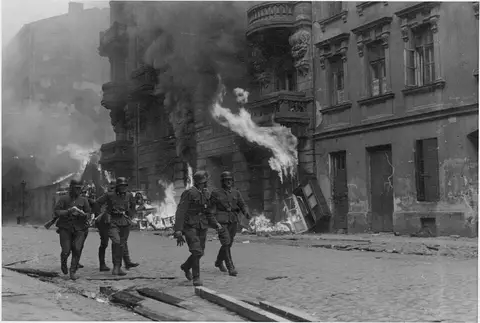
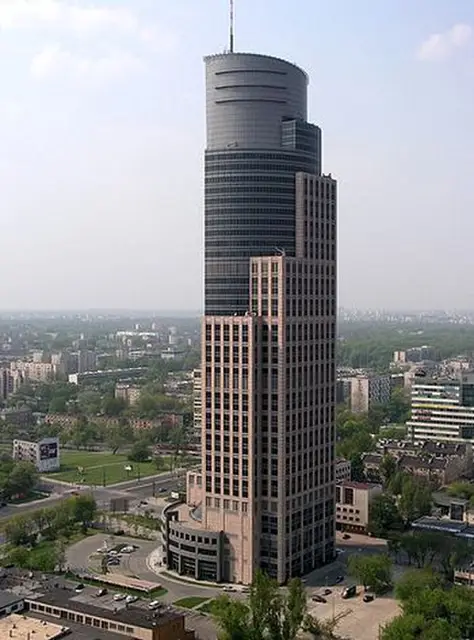
Travel guide · editorialMazovia is Poland's largest and most populous voivodeship, and it is dominated by its capital: Warsaw, almost completely destroyed in World War II, is now a self-assured metropolis with glass towers and a reconstructed Old Town. A vacation in Mazovia also takes you to Chopin's birthplace, into the Kampinos primeval forest, and to the Vistula at Płock.
Flat Country Along the Vistula, Bug, and Narew
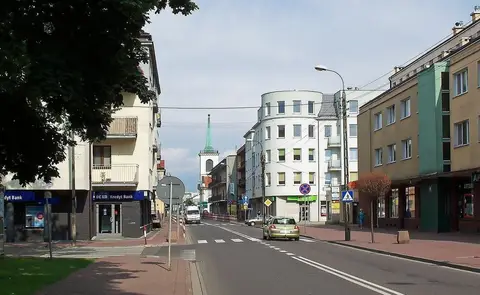
The voivodeship lies in the heart of Poland, on a broad plain crossed by the Vistula, Bug, and Narew rivers. Forests, fields, orchards, and meadows alternate, and the area around Grójec in the south is considered the largest apple-growing region in Europe. Some 5.5 million people live on roughly 35,600 square kilometers (about 13,700 square miles), nearly two million of them in Warsaw. Other cities include Radom, an industrial center in the south, Płock with its refinery on the Vistula, Siedlce, and Ostrołęka. Historically, Mazovia was a duchy of its own for a long time before it fell to the Polish crown in the 16th century and Warsaw became the capital in 1596.
Warsaw: City of Rebirth
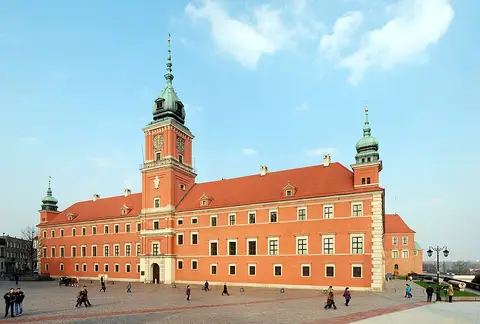
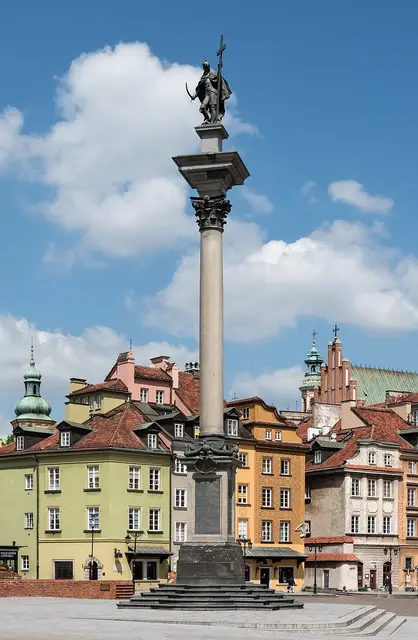
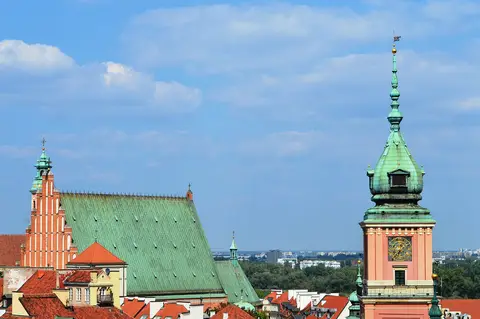
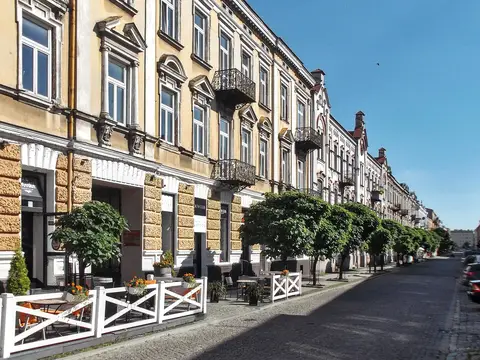
Warsaw's Old Town was rebuilt from rubble after 1945, with architects drawing on paintings by Canaletto and old plans; UNESCO added it to the World Heritage List in 1980. Castle Square with the Sigismund's Column, the Royal Castle, and the Market Square with the Mermaid, the city's heraldic emblem, are the natural starting point. The Royal Route runs along Krakowskie Przedmieście, past the university and the Holy Cross Church, where Chopin's heart is entombed, all the way to Łazienki Park with its palace on the water. In summer, open-air Chopin concerts take place there on Sundays. The Palace of Culture and Science, a gift from Stalin, remains a landmark to this day; beside it, high-rises are sprouting up in the city center and in Wola. The districts of Mokotów, Ochota, Ursynów, and Praga Południe show everyday life in the city, and Praga on the east bank has kept the charm that the bombs spared, with its courtyards and artists' studios.
Sights and Museums in Mazovia
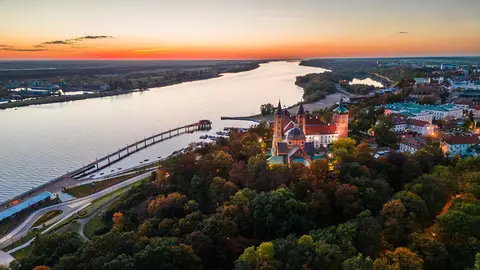
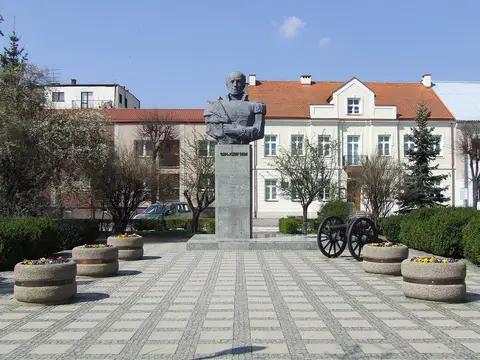
The Warsaw Uprising Museum tells the story of the 63 days in the fall of 1944 in a powerful way, while the POLIN Museum, on the grounds of the former ghetto, covers a thousand years of Jewish life in Poland. Wilanów Palace, the summer residence of King John III Sobieski, is known as the Polish Versailles. Outside the capital, Żelazowa Wola, the birthplace of Frédéric Chopin, beckons from a park with river meadows. Kampinos National Park west of Warsaw protects dunes, marshes, and pine forests where elk live again. Płock has a Romanesque cathedral on a bluff above the Vistula and was at times the residence of Polish rulers in the Middle Ages. In Radom, an open-air museum recalls village life, and in the northeast, near Treblinka, a memorial stands in honor of the victims of the extermination camp there.
Small Towns and River Landscapes
Leave Warsaw behind and you'll discover a quiet, rural Mazovia. The Vistula here is one of Europe's last large, barely regulated rivers; its sandbanks are nesting grounds for terns and plovers, and a bike path runs along its banks. Pułtusk on the Narew has one of the longest market squares in Europe and a bishop's castle that is now a hotel. In Czersk, the towers of a castle of the Mazovian dukes rise above the Vistula valley. Opinogóra preserves the romantic little castle of the poet Zygmunt Krasiński, and the open-air museum in Sierpc has farmhouses, windmills, and a wooden church from Mazovian villages. In the east, the Bug valley draws visitors with stork villages and canoe trips.
Food and Drink
Warsaw has a lively food scene, from milk bars straight out of the socialist era to modern restaurants. Typical dishes include pierogi, żurek (sour rye soup), and flaki, tripe soup Warsaw style. Pączki, doughnuts filled with rose jam, are everywhere on Fat Thursday before Lent. For dessert there is wuzetka, a chocolate-and-cream cake from Warsaw, and fresh apples from Grójec are available everywhere. In the evening, people gather at the beach bars along the Vistula.
Getting There and Best Time to Visit
Chopin Airport (WAW) lies on the south side of the city and has connections to many European cities; budget airlines also land at Modlin (WMI). The EuroCity train from Berlin takes about five and a half hours. Warsaw has two metro lines, plus trams and buses, and the network is inexpensive and good. The best time to visit is May through September, when the parks are green and concerts take place outdoors. Winters are cold, but the Christmas lights along the Royal Route draw many visitors.