Kuyavian-Pomeranian Voivodeship: Toruń, Bydgoszcz and the Lower Vistula
Travel guide · editorialThe Kuyavian-Pomeranian Voivodeship lies along the lower Vistula and combines Brick Gothic architecture, spa towns and a quiet landscape of lakes and forests. A vacation in Kuyavia-Pomerania takes you to Toruń, the birthplace of Copernicus and home of famous gingerbread, to Bydgoszcz with its granary district, and into the pine forests of the Tuchola Forest.
Two Capitals on the Vistula
The voivodeship in the north of central Poland has a distinctive quirk: the voivode, who represents the national government, sits in Bydgoszcz, while the elected regional assembly sits in Toruń. The Vistula flows through the region from south to north, with Włocławek, Toruń, Chełmno, Świecie and Grudziądz along its banks. In the south lies fertile Kuyavia around Inowrocław, in the north the heavily wooded Tuchola Forest, and in the northeast the lake district around Brodnica. About two million people live in the region, which was historically contested between the Teutonic Order, Poland and Prussia.
Sights in Kuyavia-Pomerania
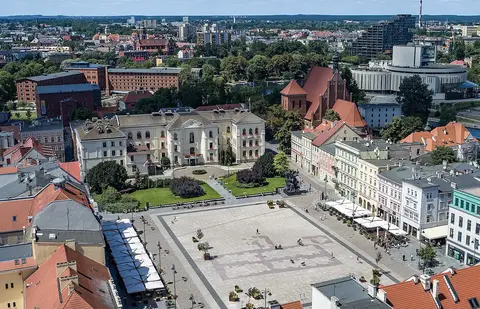
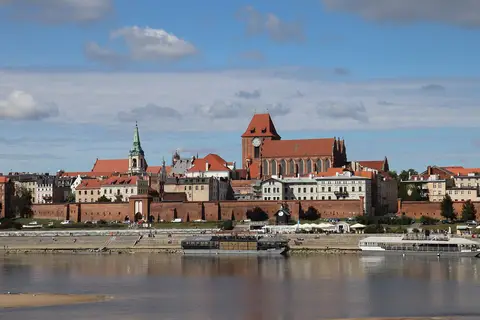
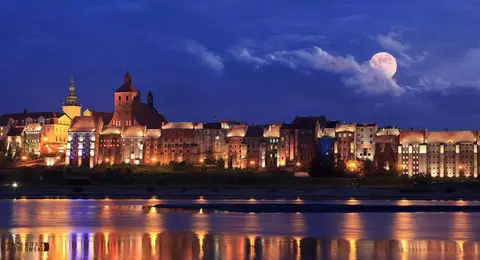
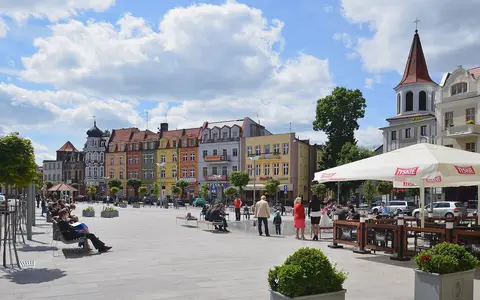
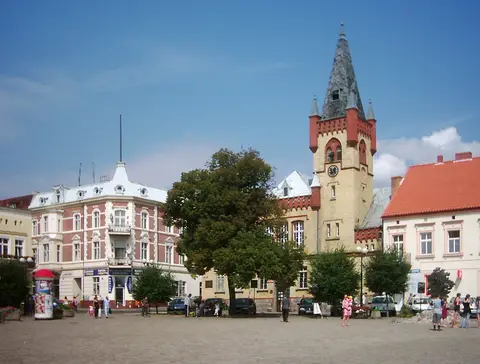
Toruń's Old Town is a UNESCO World Heritage Site and one of the best-preserved Gothic cities in Central Europe, since it was barely damaged in World War II. The Old Town Hall, St. John's Church and the birthplace of Nicolaus Copernicus line the streets, along with the ruins of the Teutonic castle and the Leaning Tower. At the Gingerbread Museum, visitors can bake their own pierniki using old recipes. Bydgoszcz has created an attractive waterfront along the Brda River, with old granaries, Mill Island (Wyspa Młyńska) and a statue of a tightrope walker suspended over the water. Grudziądz preserves a row of enormous granaries on the banks of the Vistula, and in Chełmno the town walls are almost completely intact; because of the relic of St. Valentine, the town calls itself the "City of Lovers." Golub-Dobrzyń, with its Teutonic castle, hosts knights' tournaments.
Bydgoszcz offers two very different attractions: the Exploseum, an underground World War II explosives factory, and the modern Opera Nova on the riverbank. Włocławek is known for its faience pottery and has a Gothic cathedral. In Toruń, a planetarium and the Orbitarium add to the Old Town program, and in the evening the banks of the Vistula invite you to stroll with a view of the city skyline.
Spa Towns and Nature
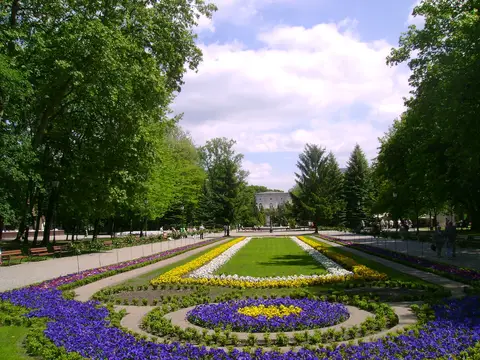
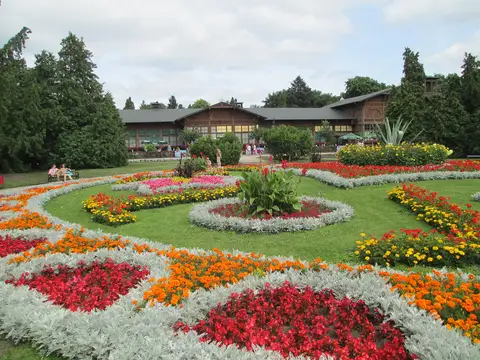
Ciechocinek, south of Toruń, is one of Poland's best-known spa towns. Its wooden graduation towers, more than two kilometers long, spray out salty air that visitors breathe in while walking. In Inowrocław, the Solanki spa park, with its own graduation tower, offers brine treatments. In the Tuchola Forest and Bory Tucholskie National Park, you can hike and paddle on the Brda and Wda rivers, and near Brodnica (formerly Strasburg in West Prussia) there are lakes for canoe trips.
Food, Getting There and Best Time to Visit
Toruń gingerbread is the region's most famous product, whether filled, glazed or pressed into molds. Kuyavia is known for geese, pickles and sugar from large sugar refineries, while the Vistula lowlands supply fruit. Bydgoszcz Airport (BZG) has a few connections to the UK and Scandinavia. By train, you can reach Toruń from Warsaw or Gdańsk in about two and a half hours. The best time to visit is May through September; in summer, Toruń hosts the Bella Skyway light art festival and open-air concerts.