Discover Poznań: Mechanical Goats, Town Hall and Cathedral
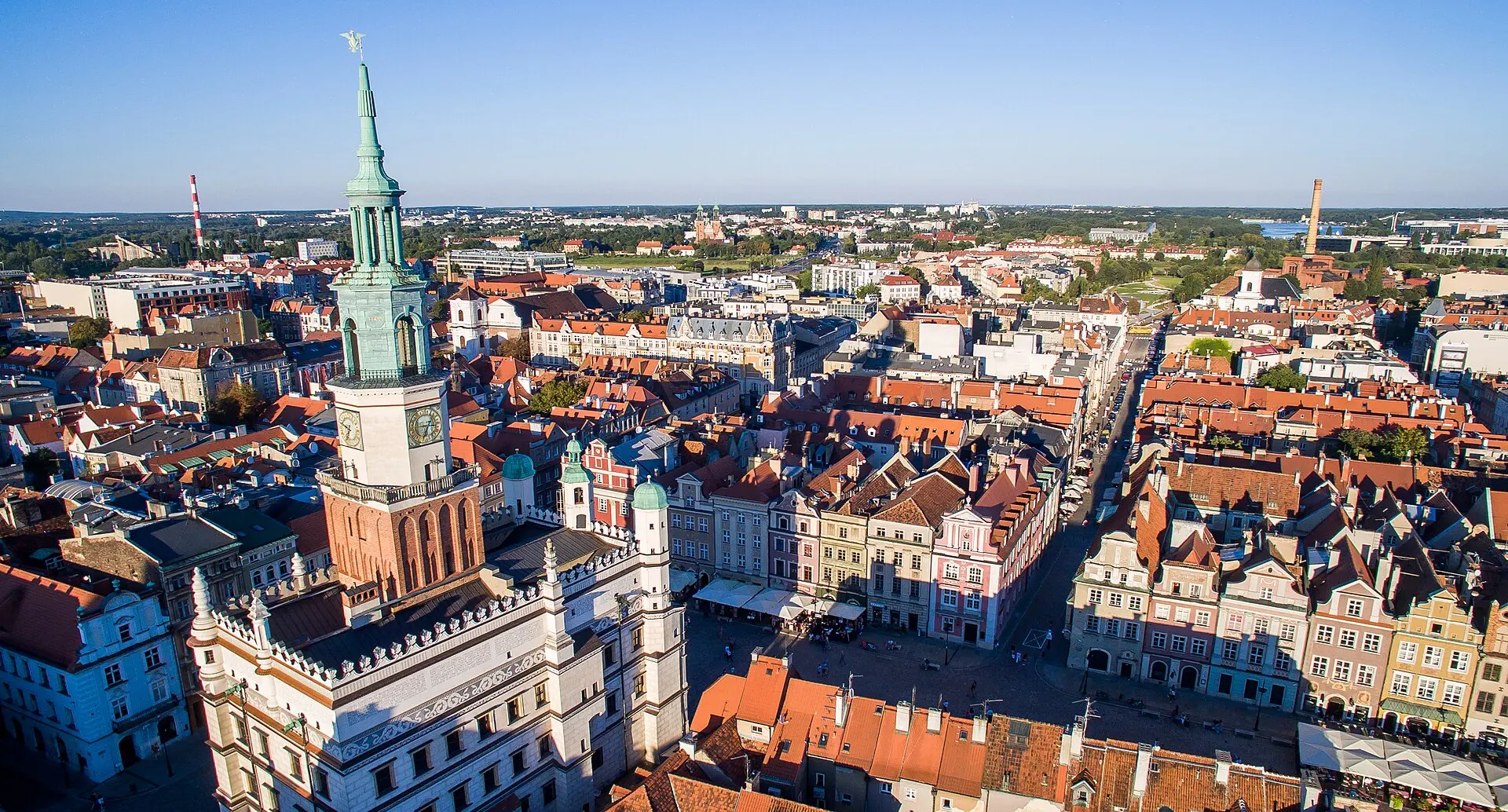
Travel guide · editorialEvery day at noon, a small door opens above the clock on Poznań's Town Hall, and two mechanical goats butt their horns together twelve times, while a crowd of onlookers watches in delight. Poznań, known in German as Posen, is one of Poland's oldest cities and the cradle of the Polish state. A city break in Poznań is a discovery off the beaten path, with a magnificent Old Town and a lively student scene.
The Cradle of Poland
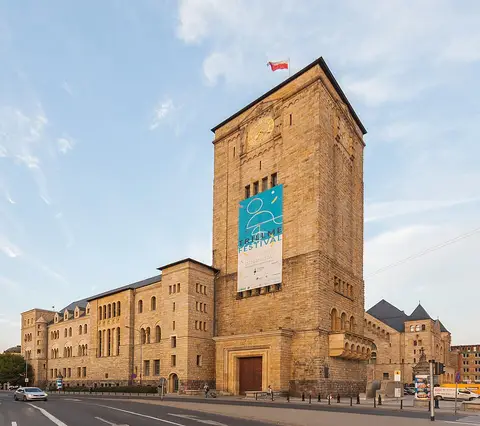
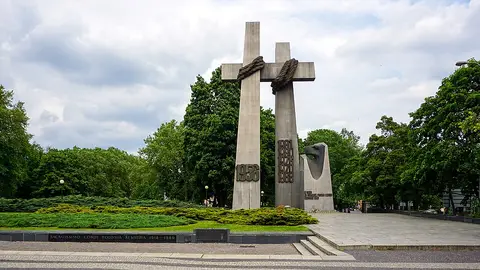
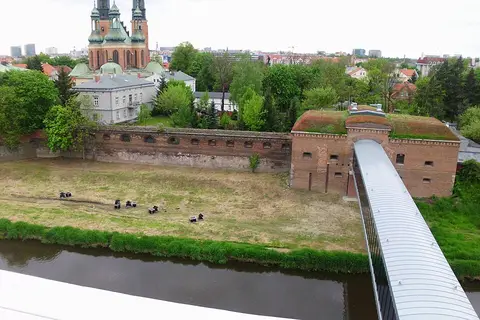
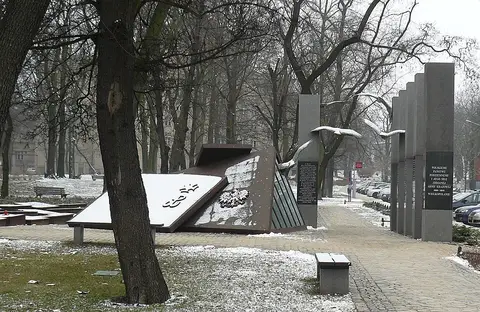
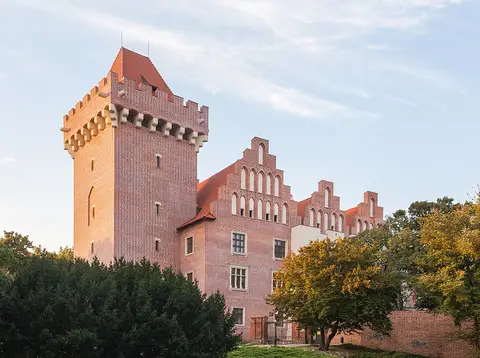
In the 10th century, Prince Mieszko I was baptized on Ostrów Tumski (Cathedral Island), and Poland's first bishopric was founded here. In the Middle Ages, Poznań grew into an important trading city. From 1793 it belonged to Prussia, and the Imperial Quarter with Kaiser Wilhelm II's Imperial Castle dates from this period. In 1918/19, the Greater Poland Uprising won the region's return to Poland. In June 1956, the city saw the first major workers' uprising against the communist regime, commemorated by a monument with two crosses.
Sights in Poznań
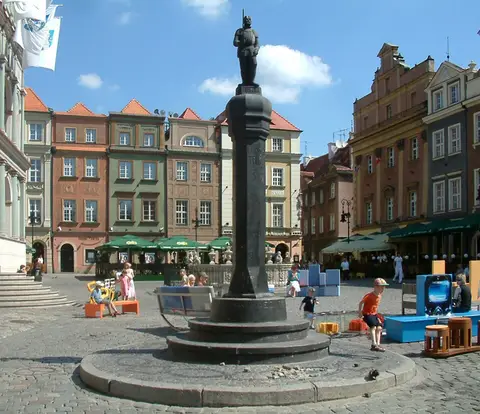
The Old Market Square in the Old Town is one of the most beautiful squares in Poland. In the middle stands the Town Hall, a Renaissance masterpiece with its loggia facade, which houses the Museum of the History of Poznań. In front of it, small, colorful merchants' houses with arcades line the square. The Baroque parish church of St. Stanislaus, with its pink facade, is one of the most magnificent churches in Poland. On Cathedral Island stands the cathedral where Poland's first rulers were buried; the multimedia Brama Poznania museum tells the story of Poland's beginnings. The Imperial Castle is now a cultural center.
Museums and Neighborhoods
At the Croissant Museum, you can learn how Rogale świętomarcińskie are baked: crescent pastries with a white poppy seed filling that are eaten in huge quantities on St. Martin's Day, November 11. The National Museum displays Polish and European painting. Around the Old Town you'll find Jeżyce, a neighborhood of Art Nouveau buildings, and Wilda with its market. The old Stary Browar brewery has been converted into an award-winning shopping and cultural center.
Eating and Going Out
Greater Poland cuisine includes pyry z gzikiem (potatoes with quark and chives), duck with red cabbage, and szare kluski (gray potato dumplings). St. Martin's croissants are available at bakeries all year round. Poznań is a student city with many universities, and bars, pubs and clubs line the streets around the Old Market Square.
Getting Around and Best Time to Visit
Ławica Airport lies just a few kilometers west of the center and is connected by bus. Poznań is on the Berlin–Warsaw rail line, and Berlin is reachable in just under three hours. Trams and buses serve the city. The best time to visit is from May to September; at Lake Malta in the east, you can row, swim and take walks. Day trips lead to Gniezno with its cathedral and famous Romanesque bronze door, to Kórnik Castle with its arboretum, and to Rogalin, where centuries-old oaks stand in the park. In June, the Malta Theatre Festival draws an international audience, and in November the city celebrates St. Martin's Day with a parade and croissants. Poznań is also a trade fair city; during major fairs, hotel prices rise significantly.