Discover Lodz: Factory Palaces and Piotrkowska Street
Travel guide · editorialLodz, Łódź in Polish, was the "Manchester of Poland" in the 19th century: within just a few decades, a small village grew into a major center of the textile industry, complete with factory palaces and villas. Today the city is a prime example of transformation, with converted factories, huge murals, and one of the longest shopping streets in Europe. A trip to Lodz is a discovery for anyone who appreciates industrial heritage and urban creativity.
The City of the Factory Owners
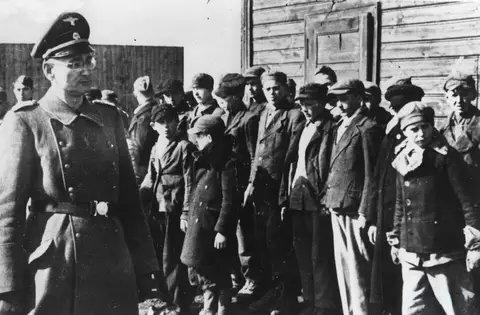
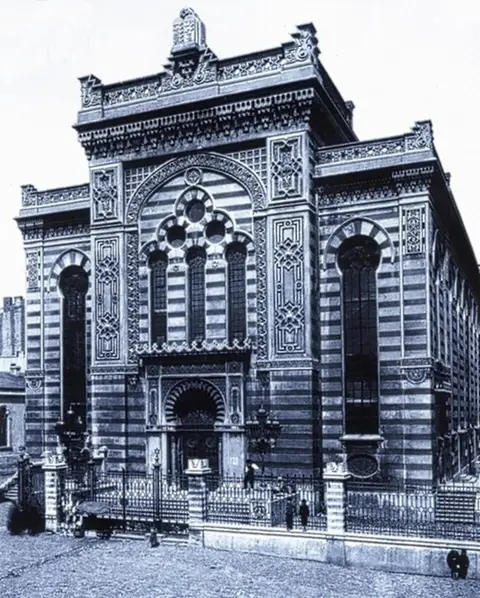
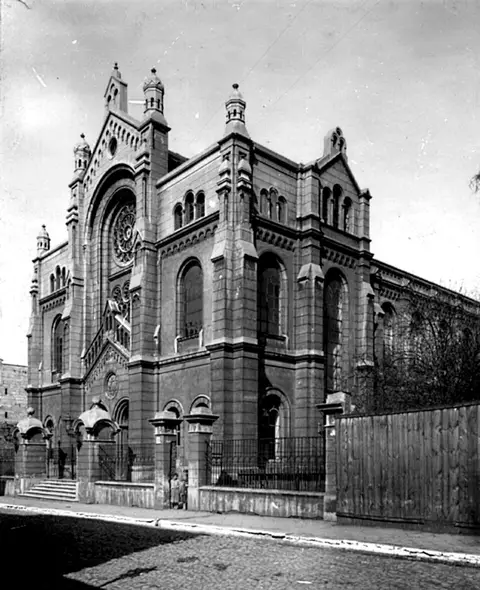
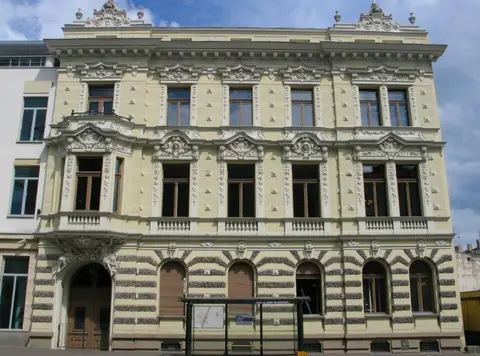
Starting in 1820, Lodz developed into a center of the textile industry. Polish, German, and Jewish entrepreneurs such as Izrael Poznański and Karl Scheibler built factories, workers' housing, and magnificent palaces. The city was multicultural, with a large Jewish community. In World War II, the German occupiers established the Litzmannstadt Ghetto, one of the largest and longest-lasting in Europe. After the collapse of the textile industry in the 1990s, Lodz faced major challenges and has since reinvented itself.
Sights in Lodz
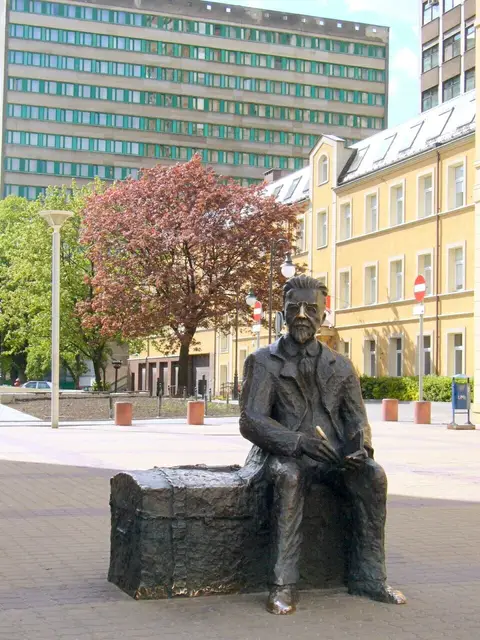
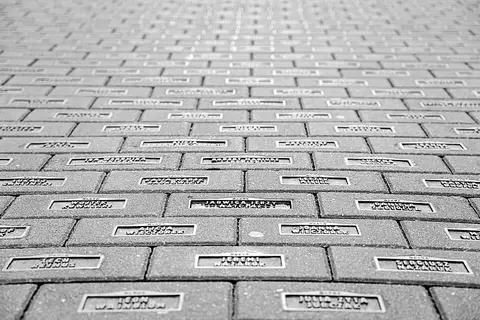
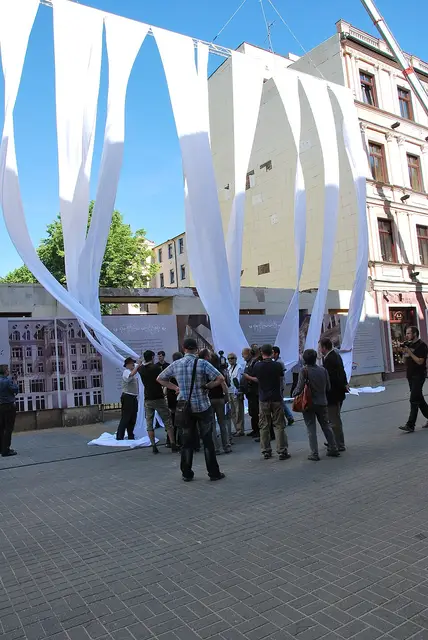
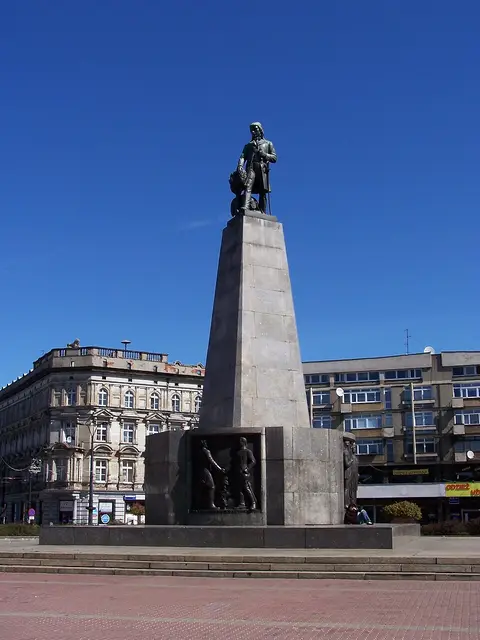
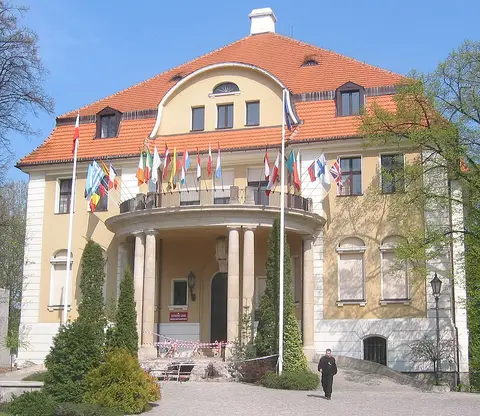
Piotrkowska Street in Łódź-Śródmieście is about 4 km (2.5 miles) long and the main axis of the city, lined with Art Nouveau and Gründerzeit facades, restaurants, and bars. Stars honoring famous Polish film figures are embedded in the sidewalk. Manufaktura, the former factory of Izrael Poznański, is now a large shopping and cultural center with museums, a hotel, and a huge square. Right next to it stands the Poznański Palace, home to the city museum. To the south lies the Księży Młyn complex with the Scheibler factory, workers' houses, and villas. EC1, a former power plant, houses a science center and a planetarium.
Art and Film
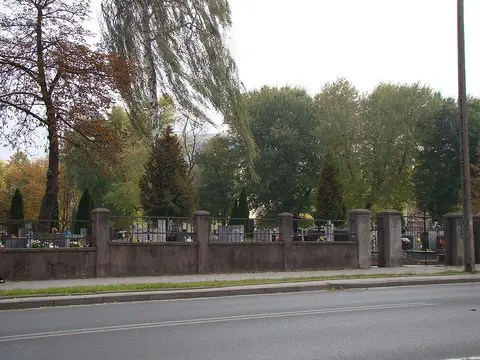
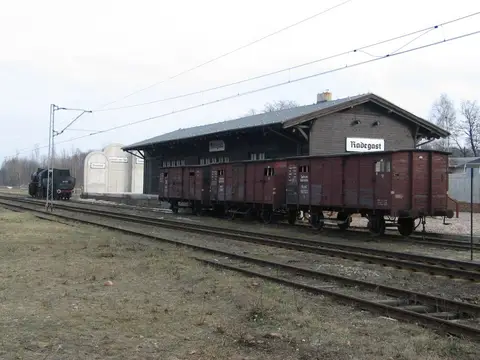
The Muzeum Sztuki is one of the oldest museums of modern art in the world, with works of the avant-garde. The Łódź Film School produced directors such as Andrzej Wajda, Roman Polański, and Krzysztof Kieślowski. All over the city, large-scale murals adorn building facades, created by artists from around the world. The Radegast Station and the Jewish cemetery, one of the largest in Europe, commemorate the ghetto.
Eating and Going Out
The restaurants in Lodz range from traditional Polish cuisine with pierogi and żurek to international fare. OFF Piotrkowska, a former factory, is now a hub with bars, restaurants, and design shops. In the evening, people gather on Piotrkowska Street and in the courtyards.
Getting Around and Best Time to Visit
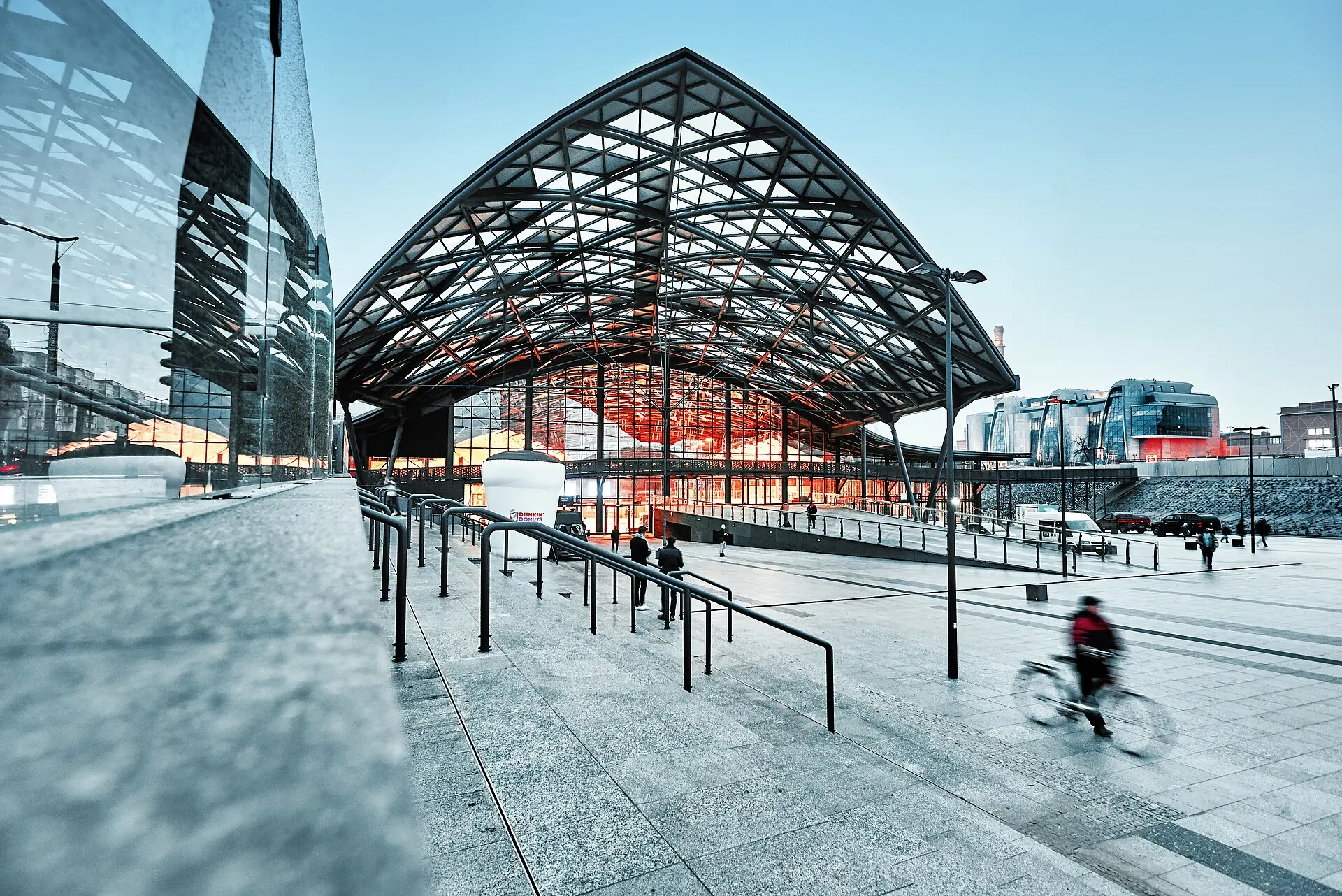
Lodz has a small airport, and Warsaw is reachable by train in about 80 minutes. The Łódź Fabryczna station was rebuilt underground. Trams and buses serve the city. The best time to visit is from May to September; in the fall, the Light Move Festival transforms Piotrkowska Street with projections and light installations. Lodz is considerably cheaper than Warsaw or Krakow, and hotels in converted factories often offer unusual architecture at moderate prices. Excursions lead to the landscape parks in the surrounding area, to the palace in Nieborów, and to Arkadia, a romantic landscape garden from the 18th century with an open-air museum. If you love industrial heritage, you'll find many more factories in the city that are gradually being turned into apartments, offices, and cultural venues.